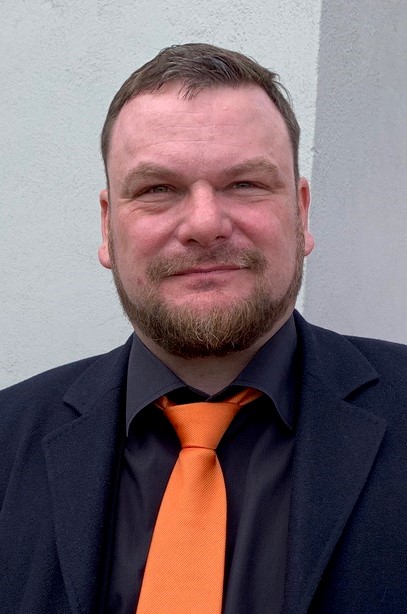
Ing. DI (FH) Dr. Harald Kühnel, MSc
Lehre und Forschung
harald.kuehnel@fh-campuswien.ac.at
+43 1 606 68 77-3603
+43 1 606 68 77-3609
Raum: E.3.04
Favoritenstraße 222
1100 Wien
Ing. DI (FH) Dr. Harald Kühnel, MSc
Lecturer and resarcher – Bioengineering | FH Campus Wien
Bioverfahrenstechnik · Zellbiologie · Altersforschung · Bioanalytik
Porträt
Harald Kühnel verbindet in seiner Person, was in der modernen Biotechnologie selten in einer Hand zu finden ist: fundierte Grundlagenforschung, jahrelange industrielle Entwicklungserfahrung und die Leidenschaft, dieses Wissen an die nächste Generation von Bioengineers weiterzugeben. Als Head of Lab und Lecturer im Bereich Bioengineering an der FH Campus Wien leitet er ein Labor, das an der Schnittstelle von Zellkultur, Bioprozessentwicklung und angewandter Forschung arbeitet – stets mit einem Bein in der Wissenschaft und einem in der industriellen Praxis.
Sein wissenschaftlicher Weg begann an der Bundesanstalt für Lebensmitteluntersuchung, führte ihn über die Veterinärmedizinische Universität Wien und die Universität für Bodenkultur (BOKU) in die pharmazeutische Industrie zu Baxter Bioscience / Baxalta / Shire, wo er als zentrale Ansprechperson für Biacore-Analytik an der Entwicklung eines rekombinanten Antikörpers gegen MIF von der Präklinik bis in die klinische Phase II mitwirkte. Es folgten Jahre an der Donau-Universität Krems am Zentrum für Regenerative Medizin, bevor er 2018 seine heutige Position an der FH Campus Wien antrat. Seine Doktorarbeit über microRNAs als Marker zellulärer Seneszenz (Veterinärmedizinische Universität Wien, 2017, betreut von Prof. Alois Strasser) bildet bis heute das rote Faden-Thema seiner Forschung: das Verständnis und die gezielte Beeinflussung des biologischen Alterungsprozesses auf zellulärer Ebene.
Beruflicher Werdegang
| seit 01/2019 | FH Campus Wien – Bioengineering | Head of Lab & Lecturer (Vollzeit). Leitung eines Forschungslabors, Projektleitung in Kooperation mit Industriepartnern, Lehre in Bioanalytik, Molekular- und Zellbiologie, Bioverfahrenstechnik und Fermentation, Personal- und Studierendenbetreuung (Master- und Bachelorarbeiten). |
| 01/2018 – 01/2019 | Donau-Universität Krems, Zentrum für Regenerative Medizin | Drittmittelakquise und Forschungsprojekte zu Blutprodukten und deren verjüngenden Effekten, Entwicklung einer senolytischen Therapie für Osteoarthritis, Implantat-assoziierte Metallionen und zelluläre Seneszenz; Lehre in Bioanalytik und Genome Editing. |
| 11/2009 – 12/2017 | Shire (vormals Baxalta, Baxter Bioscience) – Specialty Therapeutics & Antibody Technology, Onkologie, Cell Biology & Gene Therapy | Entwicklung eines rekombinanten Antikörpers gegen MIF von R&D über Präklinik bis Phase I/II; hauptverantwortlich für Biacore-Analytik (SPR); Freigabetestung, Wirkmechanismus-Aufklärung, Assay-Transfer und -Entwicklung; Mitwirkung an einem Gentherapie-Projekt in früher Entwicklung. |
| 2007 – 2009 | Universität für Bodenkultur Wien, Institut für Angewandte Mikrobiologie | Screening-Experimente mittels Microarray-Technologie, microRNAs in zellulärer Seneszenz; Entwicklung eines neuen, Polyphenol-basierten Modells für vorzeitige Zellalterung sowie weiterer Modelle (H₂O₂-induziert, PUVA); Publikationstätigkeit. |
| 11/1997 – 10/2009 | Veterinärmedizinische Universität Wien, Institut für Physiologie | DNA-Schadens-Detektion in Zellen und Tiergewebe (HPLC, Comet-Assay); Assay-Entwicklung und -Implementierung; Lehre und Betreuung von Praktika, Diplom- und Doktorarbeiten; Publikationstätigkeit. |
| 01/1996 – 09/1997 | Bundesanstalt für Lebensmitteluntersuchung Wien | Routineanalytik und Methodenentwicklung (u. a. Elektrophorese, ELISA). |
Forschungsschwerpunkte
Im Zentrum von Harald Kühnels Forschung steht die zelluläre Seneszenz – von ihren molekularen Markern bis zu therapeutischen Interventionsmöglichkeiten. Daraus hat sich ein breites, anwendungsorientiertes Portfolio entwickelt:
- Zelluläre Seneszenz, Altersforschung und Entwicklung senolytischer/senomorpher Therapieansätze (u. a. auf Basis pflanzlicher Wirkstoffe und Extrakte)
- Extrazelluläre Vesikel (EVs) – skalierbare Produktion aus Milch, mesenchymalen Stammzellen und Krebszelllinien sowie deren Charakterisierung für therapeutische Anwendungen
- Microcarrier-basierte Bioprozesse für adhärente Zellkulturen, Prozessüberwachung und Scale-up/Scale-down-Modellierung
- Bioprozess- und Fermentationsentwicklung inkl. Proteinaufreinigung (USP/DSP) für rekombinante Proteine
- Bioanalytik und Assay-Entwicklung: Biacore/SPR, ELISA, qPCR, Durchflusszytometrie, Fluoreszenzmikroskopie und bildbasierte Zellanalyse
- Wirkung von Blutprodukten und Implantat-assoziierten Metallionen auf Hautalterung und Geweberegeneration
Lehre & Betreuung
Seit 2016 unterrichtet Harald Kühnel an der FH Campus Wien bioanalytische Methoden, Molekular- und Zellbiologie inklusive der zugehörigen Übungen und Seminare; von 2018 bis 2019 lehrte er zusätzlich Bioanalytik und Genome Editing an der Donau-Universität Krems. Bereits während seiner Zeit an der Veterinärmedizinischen Universität Wien betreute er als Tutor Praktika sowie Diplom- und Doktorarbeiten. Bis heute begleitet er zahlreiche Bachelor- und Masterarbeiten in seinem Labor – von der Etablierung neuer Färbe- und Zählmethoden für Zellen auf Microcarriern über die Entwicklung von qPCR-Nachweisverfahren für bakterielle Kontaminationen bis zur Untersuchung natürlicher Wirkstoffe in der Senotherapie und der Wechselwirkung von Exosomen mit Chemotherapeutika.
Forschungsprojekte & Industriekooperationen
Als Projektleiter verantwortet Harald Kühnel eine Reihe geförderter Forschungs- und Industriekooperationsprojekte, u. a.:
- ACIB-Industriekooperationen 2020, 2023 und 2025 mit einem Gesamtvolumen von rund 2,85 Mio. € (gefördert)
- Industrielle Auftragsforschung, ca. 120.000 € (2019, gefördert)
- „QualiDigiFerm“ – Digitalisierung in der Bioverfahrenstechnik / Digital Twin für Bioreaktoren, Laufzeit 2022–2027 (gefördert)
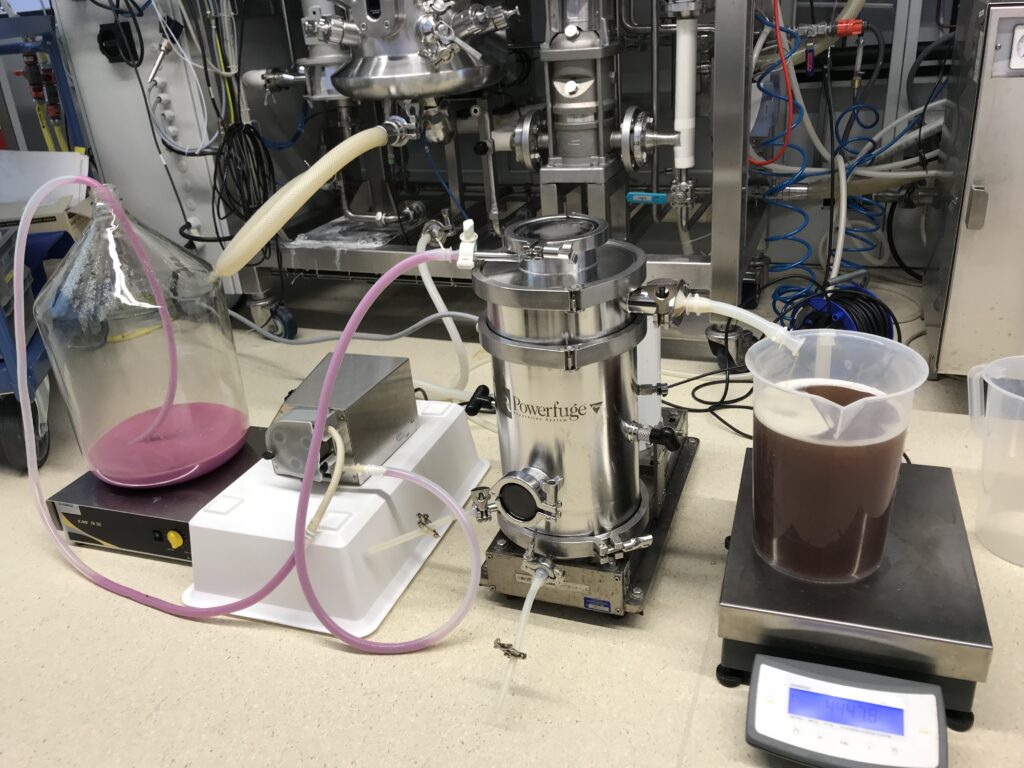
- „MilkyEV“ – Herstellung Milch-basierter extrazellulärer Vesikel mittels kontinuierlicher Ultrazentrifugation, Hochschuljubiläumsfonds 2024 (gefördert)
- Nationaler Partner im FWF-Projekt zur dynamischen Zellwandarchitektur bei Trichoderma-Mykoparasitismus (gefördert)
- Weitere Antragstellungen zu Osteoarthritis-Seneszenz, Forschungsinfrastruktur (CITD) und digitaler Prozessoptimierung von EV-Produktion (EV2Digi)
Ausgewählte Publikationen
Harald Kühnel ist Autor bzw. Co-Autor von über 20 peer-reviewten Publikationen. Eine Auswahl:
- Kühnel, H.; Seiler, M.; Feldhofer, B.; Ebrahimian, A.; Maurer, M. (2025): Ganoderma lucidum Extract Modulates Gene Expression Profiles Associated with Antioxidant Defense, Cytoprotection, and Senescence in Human Dermal Fibroblasts. Curr. Issues Mol. Biol. 47, 130.
- Schenzle, L.; Egger, K.; Spangl, B. et al. (2025): Low-cost food-grade alternatives for serum albumins in FBS-free cell culture media. Sci Rep 15, 15296.
- Imb, M.; Véghelyi, Z.; Maurer, M.; Kühnel, H. (2024): Exploring Senolytic and Senomorphic Properties of Medicinal Plants for Anti-Aging Therapies. Int. J. Mol. Sci. 25, 10419.
- Kühnel, H.; Pasztorek, M.; Kuten-Pella, O.; Kramer, K.; Bauer, C.; Lacza, Z.; Nehrer, S. (2024): Effects of Blood-Derived Products on Cellular Senescence and Inflammatory Response: A Study on Skin Rejuvenation. Curr. Issues Mol. Biol. 46, 1865–1885.
- Ebrahimian, A.; Schalk, M.; Dürkop, M.; Maurer, M.; Bliem, R.; Kühnel, H. (2024): Seed Train Optimization in Microcarrier-Based Cell Culture Post In Situ Cell Detachment through Scale-Down Hybrid Modeling. Bioengineering 11, 268.
- Ebrahimian, A.; Schalk, M.; Dürkop, M.; Maurer, M.; Bliem, R.; Kühnel, H. (2024): Parameter Optimization and Capacitance-Based Monitoring of In Situ Cell Detachment in Microcarrier Cultures. Processes 12, 1887.
- Paul, M.; Kühnel, H.; Oberpertinger, R.; Mehofer, C.; Pollhammer, D.; Wellenzohn, M. (2024): Two-Layer Inkjet-Printed Microwave Split-Ring Resonators for Detecting Analyte Binding to the Gold Surface. Sensors 24, 1688.
- Metzger, K. F. J.; Padutsch, W.; Pekarsky, A.; Kopp, J.; Voloshin, A. M.; Kühnel, H.; Maurer, M. (2020): IGF1 inclusion bodies: A QbD based process approach for efficient USP as well as early DSP unit operations. J. Biotechnol. 312, 23–34.
- Thiele, M.; Kerschbaumer, R. J.; Tam, F. W. K. et al. (Kühnel, H. als Co-Autor) (2015): Selective Targeting of a Disease-Related Conformational Isoform of Macrophage Migration Inhibitory Factor Ameliorates Inflammatory Conditions. J. Immunol. 195(5), 2343–2352.
- Dellago, H.; Preschitz-Kammerhofer, B.; Terlecki-Zaniewicz, L. et al. (Kühnel, H. als Co-Autor) (2013): High levels of oncomiR-21 contribute to the senescence-induced growth arrest in normal human cells. Aging Cell 12, 446–458.
- Hackl, M.; Brunner, S.; Fortschegger, K. et al. (Kühnel, H. als Co-Autor) (2010): miR-17, miR-19b, miR-20a, and miR-106a are down-regulated in human aging. Aging Cell 9, 291–296.
Vollständige Publikationslisten: ResearchGate, Google Scholar und ORCID (0000-0002-4780-8061), siehe Kontakt.
Methoden- & Fachkompetenz
Über mehr als 25 Jahre in Forschung, Industrie und Lehre hat Harald Kühnel ein breites methodisches Spektrum aufgebaut:
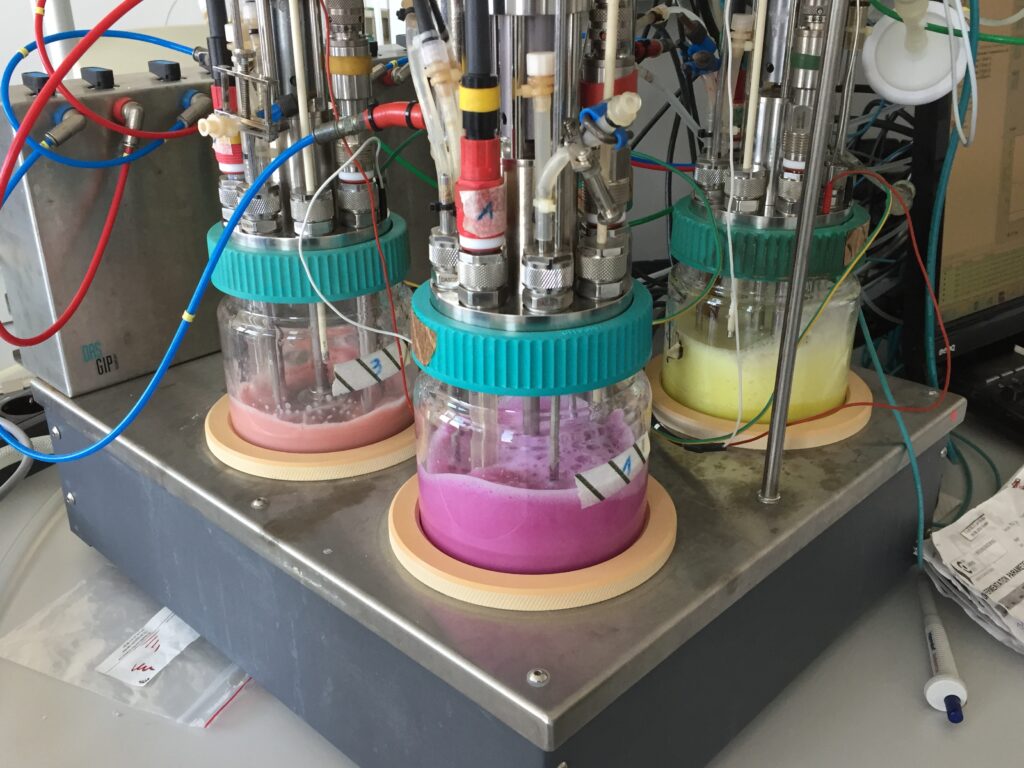
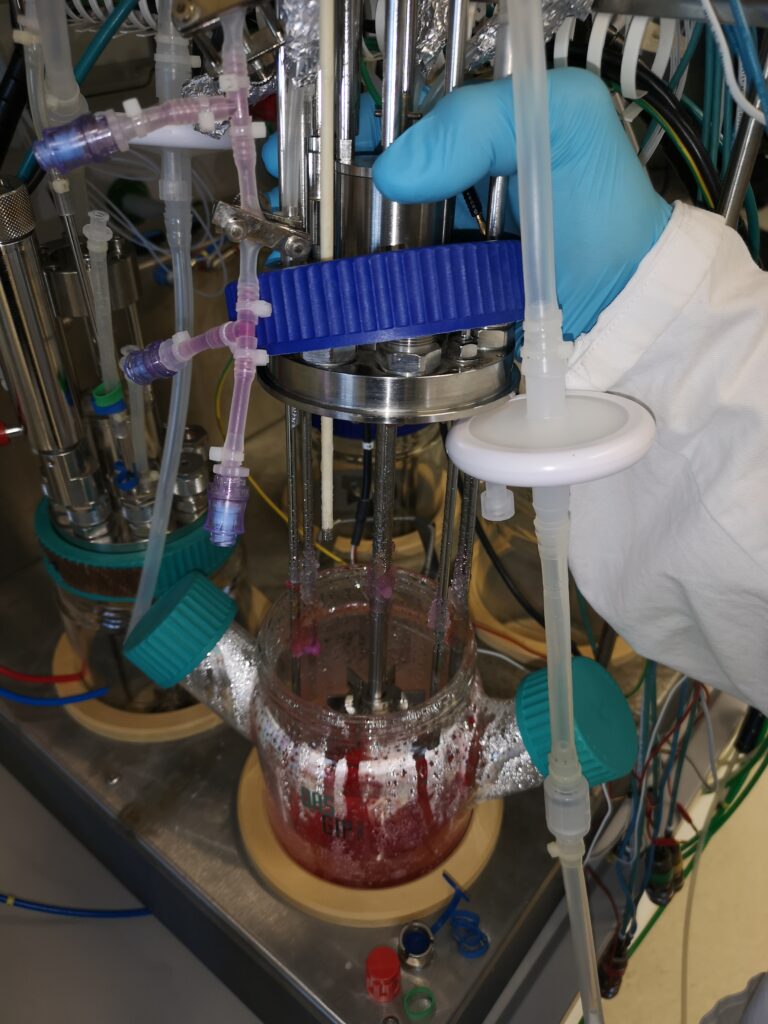
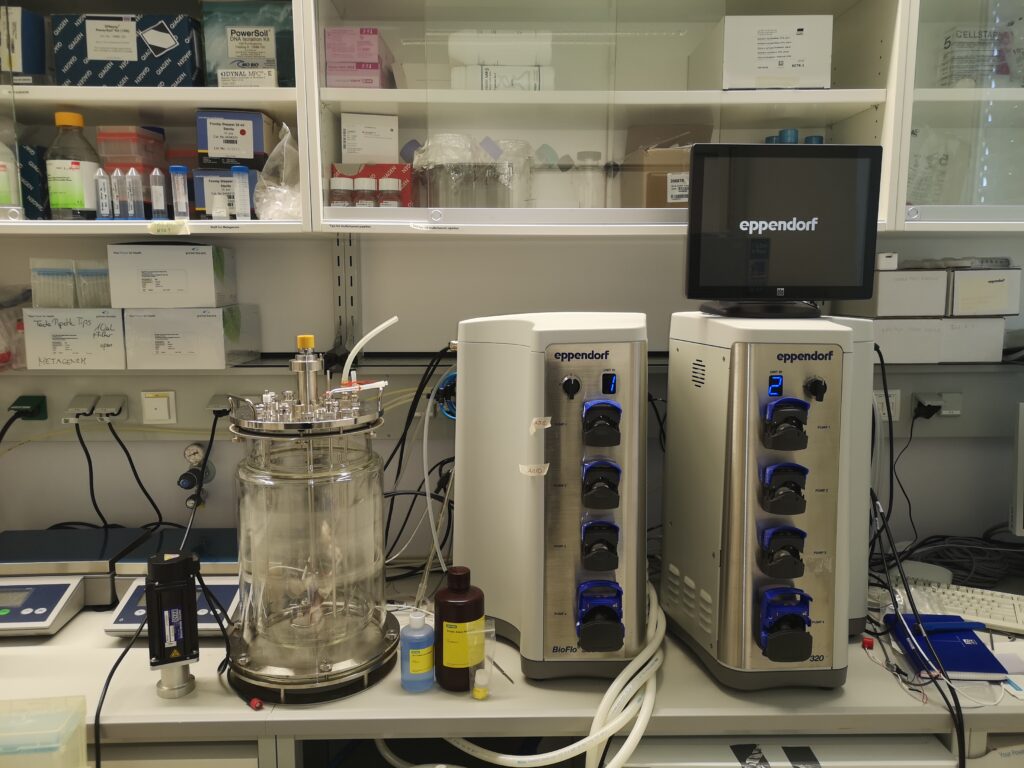
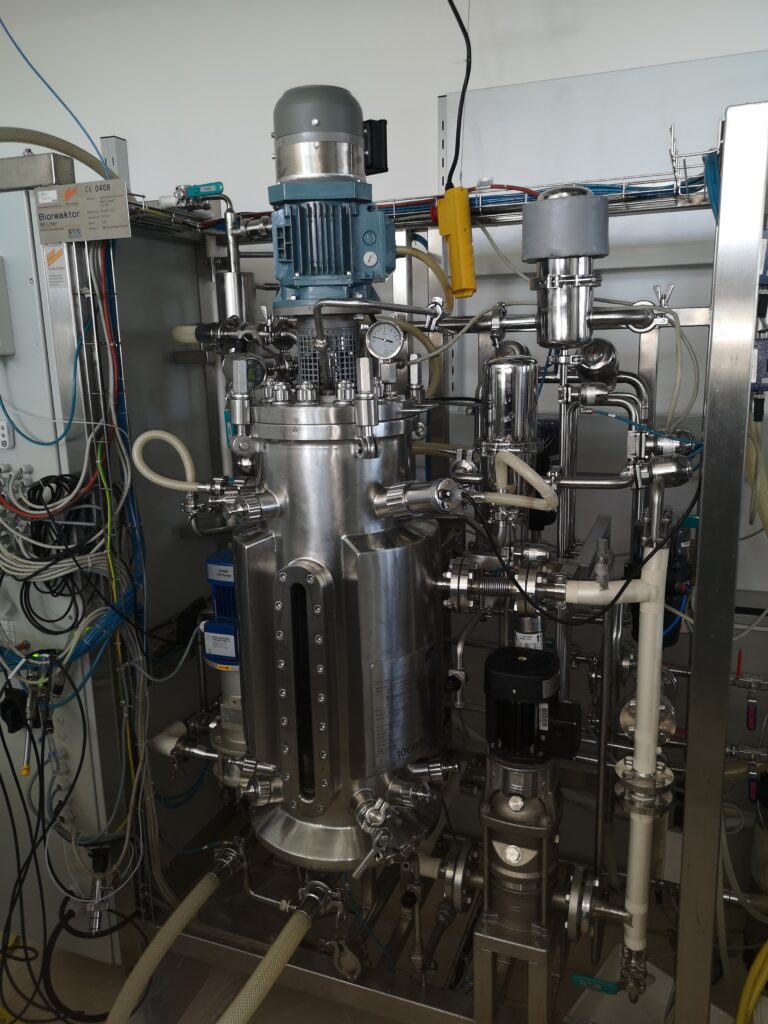
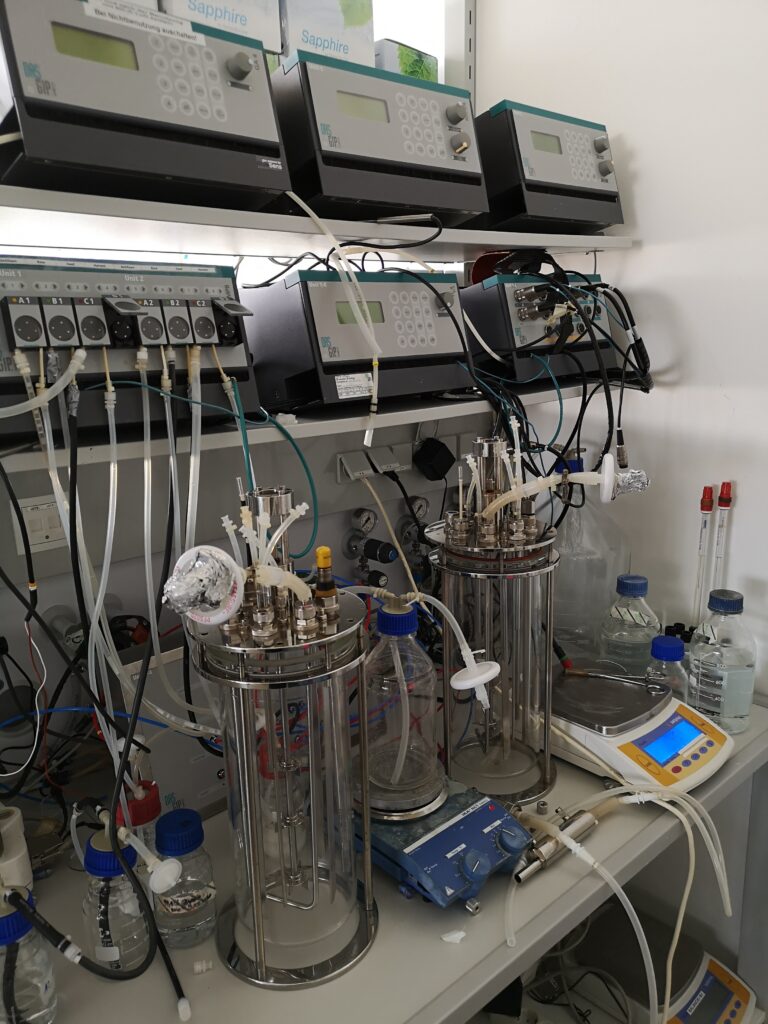
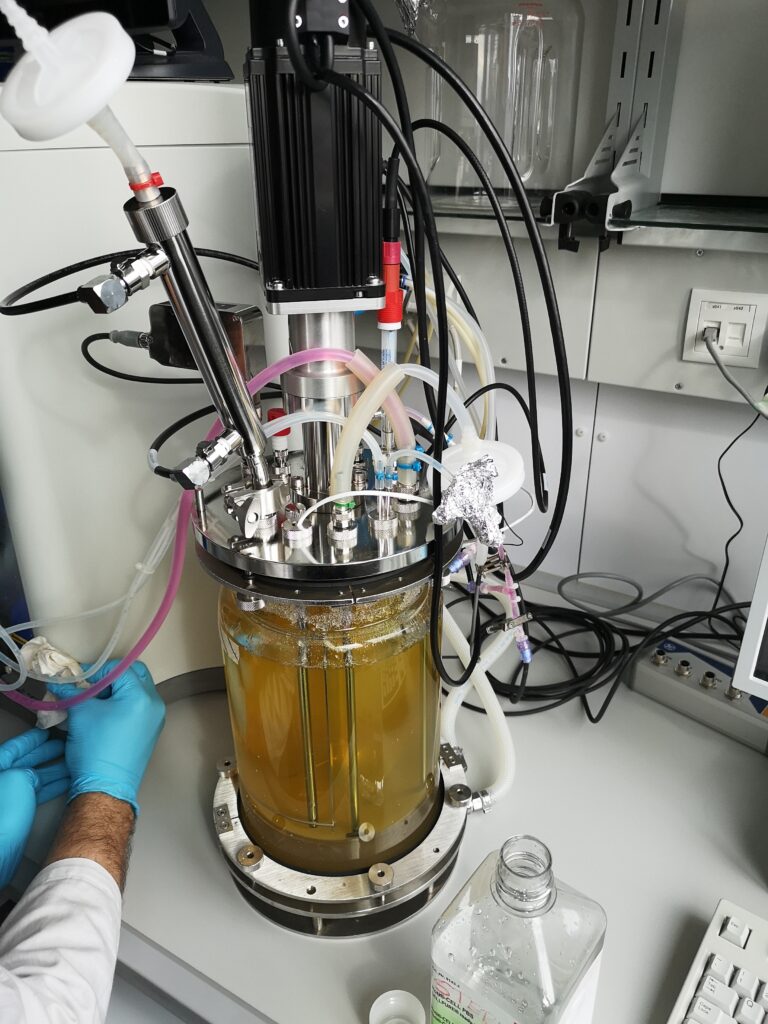
- Zellkultur: primäre und immortalisierte Zelllinien, Microcarrier-Kultur, Bioreaktoren (5 l – 50 l, DasGip-Systeme), Fermentation von E. coli, Hefen und Säugerzellen
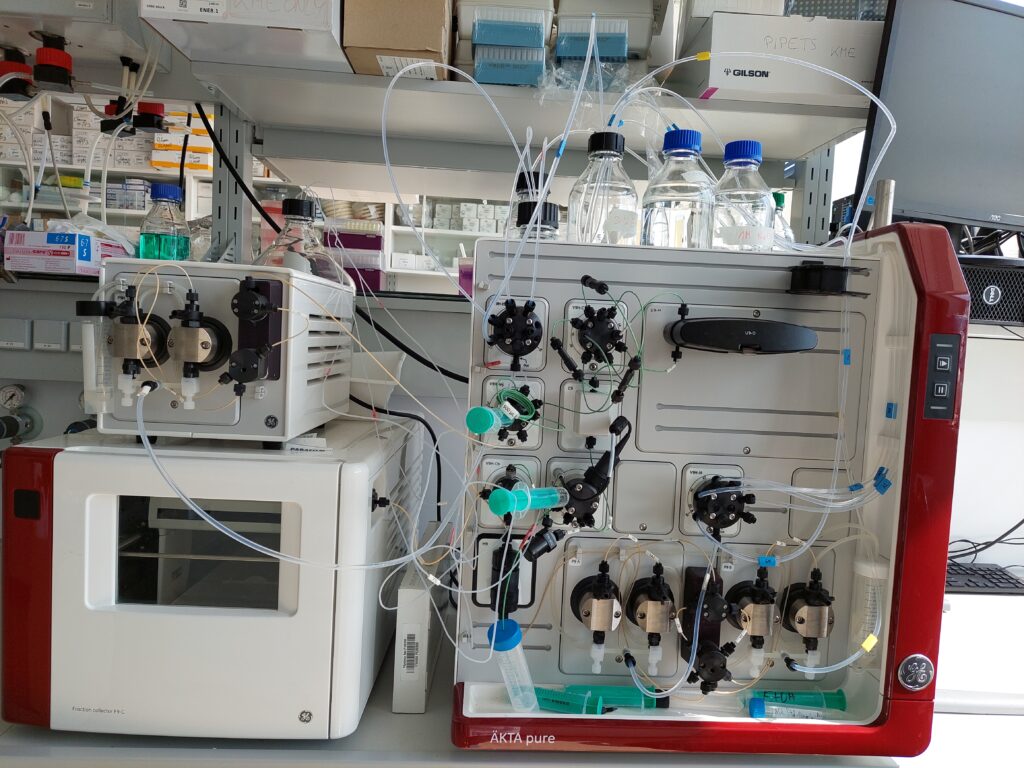
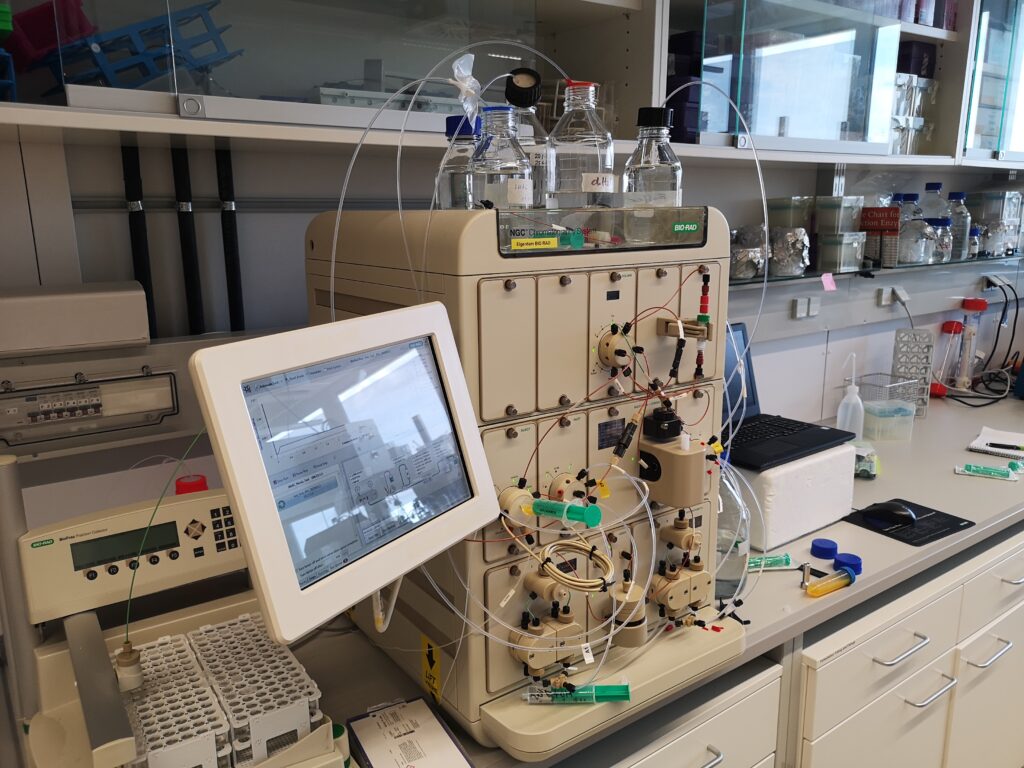
- Proteinanalytik & -aufreinigung: SPR/Biacore, ELISA, Western Blot, 2D-Elektrophorese, (Co-)Immunopräzipitation, FPLC (Äkta) und HPLC (Waters, Agilent, ChemStation)
- Molekularbiologie & Genomics: qPCR/TaqMan, Microarray-Analytik, Oxford-Nanopore-Sequenzierung, Genome Editing
- Zellbasierte Assays: Durchflusszytometrie, SA-β-Gal-Färbung, Caspase-3/7- und XTT-Assays, Fluoreszenzmikroskopie, Immunhistochemie
- Virologie: rcAAV-Assay, DNA-Extraktion und -Analytik, Exosomen-Extraktion und -Analyse
- Qualitätsmanagement und Freigabetestung (Release Testing) in einem GMP-nahen Industrieumfeld
- Software: GraphPad Prism, Minitab, SPSS, Definiens Tissue Studio®; Grundkenntnisse Perl, Java, C, MySQL
Ausbildung & Auszeichnungen
- Doktorat (Naturwissenschaften), Veterinärmedizinische Universität Wien – „MicroRNAs as markers of cellular senescence“ (2017, Betreuung: Prof. Alois Strasser)
- Master QM in Biotechnologie, FH Campus Wien – „Effects of isoflurane anesthesia on immune system and DNA integrity“ (2012, Betreuung: Prof. Johannes Grillari)
- Diplomstudium Bioinformatik, FH Campus Wien – „MicroRNAs in senescence and after PUVA treatment“ (2008, Betreuung: Prof. Johannes Grillari)
- Zertifikat Qualitätsmanager, FH Campus Wien (2008, Betreuung: Prof. Rudolf Bliem)
- HTL Rosensteingasse, Biochemie, Mikrobiologie und Genetik (1994)
- Leistungsstipendium 2005, 2006, 2007 sowie „Gifted Student Award“
- Baxter Research and Development Award (Industrieauszeichnung)
- Trainer- und Ausbilderqualifikationen (WIFI Wien: Erwachsenenbildner, Lehrlingsausbilder, 2021–2022)
Persönliches
Neben der Wissenschaft ist Harald Kühnel geprüfter Barista, begeisterter Wanderer und Leser – und war in seiner Jugend erfolgreicher Handballspieler (Vize-Staatsmeister und Staatsmeister). Diese Vielseitigkeit spiegelt sich auch in seinem beruflichen Profil wider: ein Forscher und Lehrender, der ebenso in der akribischen Laborarbeit wie in der Vermittlung komplexer Inhalte an Studierende zuhause ist – und der es versteht, wissenschaftliche Neugier mit unternehmerischem Pragmatismus zu verbinden.
Kontakt & Links: ResearchGate · Google Scholar · LinkedIn · ORCID 0000-0002-4780-8061
Web Pages:
https://www.researchgate.net/profile/Harald_Kuehnel
https://scholar.google.at/citations?user=dmk0xUkAAAAJ&hl=de
https://www.linkedin.com/in/harald-k-848b165b/
https://orcid.org/0000-0002-4780-8061
Doktorandin: Dr. Atefeh Ebrahimian
Atefeh Ebrahimian (Erstautorin) und Harald Kühnel (Corresponding Author) haben gemeinsam mit einem Team von FH Campus Wien, ACIB und Novasign zwei eng zusammenhängende Publikationen zur Optimierung der mikroträgerbasierten (Microcarrier, MC) Zellkultur der Zelllinie MA 104 veröffentlicht. Beide Arbeiten adressieren zusammen den kompletten Prozesszyklus: Zellwachstum auf MCs → Zellablösung (in situ detachment) → erneute Rekultivierung, mit dem Ziel, ein skalierbares Seed-Train-Verfahren für die Impfstoffproduktion zu entwickeln.
Publikation 1: Bioengineering 2024, 11, 268
„Seed Train Optimization in Microcarrier-Based Cell Culture Post In Situ Cell Detachment through Scale-Down Hybrid Modeling“
- Zeigt erstmals, dass MA-104-Zellen mindestens 5 aufeinanderfolgende Zyklen von in-situ-Zellablösung und Neubesiedlung auf Cytodex-1-Microcarriern durchlaufen können – auch auf bereits genutzten („spent“) MCs, ohne Reinigungsschritt dazwischen.
- Vergleich verschiedener Transferstrategien: gemeinsamer Transfer von Zellen + MCs („bead-to-bead“) vs. Transfer nur der Einzelzellen → deutlich höhere Zellrückgewinnung (>70 % vs. <50 %) beim gemeinsamen Transfer.
- Entwicklung eines Hybrid-Modells (mechanistisches Modell + neuronales Netz) zur Vorhersage des Zellwachstums in Abhängigkeit von drei kritischen Prozessparametern (CPPs): MC-Konzentration, Zellbesatzdichte (cells/bead) und Rührgeschwindigkeit.
- Identifiziertes optimales Design Space: Saatdichte >16 Zellen/Bead, 3,5–4,5 g/L Cytodex 1, Rührgeschwindigkeit 90–100 rpm (≈1,125–1,25× Njs) → Zelldichte von 2,6 ± 0,5 × 10⁶ Zellen/mL nach 5 Tagen.
- Validierung des Modells in zwei aufeinanderfolgenden Bioreaktoren sowie ein konkreter Scale-up-Vorschlag von 3 L bis 1000 L Single-Use-Bioreaktoren.
Publikation 2: Processes 2024, 12, 1887
„Parameter Optimization and Capacitance-Based Monitoring of In Situ Cell Detachment in Microcarrier Cultures“
- Fokus auf den Ablöseprozess selbst: systematische Untersuchung von Rührgeschwindigkeit, Inkubationszeit, Trypsin-Volumen/-Aktivität und Waschschritten.
- Ergebnisse:
- Rührgeschwindigkeit von 1,25 × Njs ausreichend (höhere Geschwindigkeit bringt keinen Vorteil, aber mehr Wärmeeintrag).
- Inkubationszeiten >60 min mit Trypsin schädigen nachfolgendes Wachstum (bestätigt durch Apoptose-/Nekrose-Assays).
- Trypsin-Volumen kann auf 50 mL/g MC reduziert werden (Kosteneinsparung), solange Aktivität >380 USP/mL bleibt.
- Zwei Waschschritte nach Mediumentfernung sind nötig, um Zellaggregation zu vermeiden.
- Neuheit: Einsatz eines kapazitiven Sensors (Incyte Arc) zur Echtzeit-Überwachung der Zellablösung – bisher nur für Zellwachstum, nicht für Zellablösung beschrieben.
- Entwicklung eines Vorhersagemodells (exponentieller Zerfall), das anhand der Permittivitätssignale zwischen Minute 4–7 den Signalwert bei Minute 20 prognostiziert und daraus automatisiert entscheidet, ob die Zellablösung vollständig, verzögert oder unzureichend ist (RMSE 4,5) – als PAT-Tool (Process Analytical Technology) für GMP-taugliche Prozesskontrolle ohne Offline-Probenahme.
Gemeinsamer roter Faden
- Ganzheitlicher Bioprozess-Ansatz: Von Zellanheftung über Wachstum bis Ablösung – alle Schritte skalierbar und im Scale-Down-Modell (1 L DASGIP-Bioreaktor) validiert.
- Methodische Innovation: Kombination aus klassischer DoE/Prozessoptimierung mit Hybrid-Modellierung (Publikation 1) und Sensor-gestützter Echtzeitüberwachung (Publikation 2).
- Praktische Relevanz für die Impfstoffproduktion: Beide Arbeiten liefern konkrete, kosteneffiziente und reproduzierbare Protokolle, die direkt auf Single-Use-Bioreaktoren bis 1000 L übertragbar sind – ein bisher in der Literatur nicht in dieser Tiefe für MA 104 beschriebener Ansatz.
- Team & Förderung: Beide Studien entstanden im Rahmen von ACIB/COMET, mit Unterstützung von Novasign (Hybrid-Modeling-Tool) und Hamilton (Kapazitätssensoren).
Beispiele für Master und Bachelor Arbeiten die in Publikationen gemündet sind…
1. Ganoderma lucidum Extract… (Curr. Issues Mol. Biol. 2025)
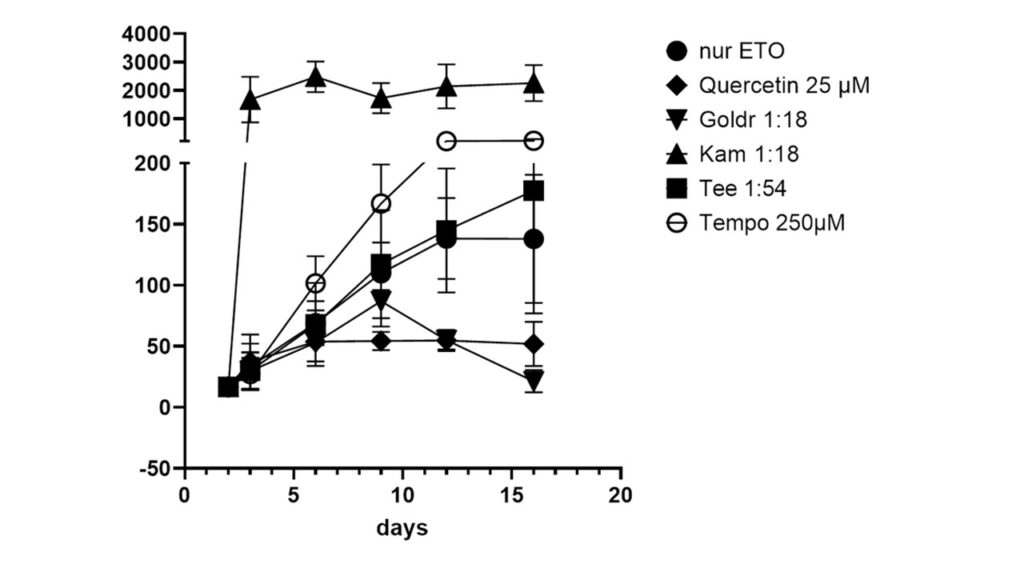
Untersucht, ob ein Reishi-Pilz-Extrakt seneszente humane Hautfibroblasten (Etoposid-induziert) beeinflusst. Der Extrakt aktivierte antioxidative/zytoprotektive Gene (HO-1, γGCS-L, NQO1), senkte den Seneszenzmarker p16INK4a und reduzierte den Anteil SA-β-Gal-positiver Zellen – wirkte also senolytisch/senomorph, allerdings ohne die entzündlichen SASP-Marker MMP1/IL-8 durchgängig zu senken. Co-Autor:innen sind Markus Seiler, Barbara Feldhofer und Atefeh Ebrahimian aus Kühnels Labor; im Dank wird explizit „Tuja Munkh für technische Unterstützung im Rahmen ihrer Bachelorarbeit“ genannt.
2. Exploring Senolytic and Senomorphic Properties of Medicinal Plants (Int. J. Mol. Sci. 2024)
Testet Kamille-, Goldrutenkraut-, Reishi- und Grüntee-Extrakte (plus Quercetin als Kontrolle) an seneszenten Hautfibroblasten auf senolytische und senomorphe Wirkung. Goldrutenkraut und Quercetin zeigten die stärksten Effekte; Kamille löste dagegen einen regelrechten „Zytokinsturm“ aus (starker IL-6-Anstieg) – ein Warnsignal für scheinbar harmlose Pflanzenprodukte in Kombination mit Chemotherapie. Erstautorin Monika Imb und Ko-Autor Zsolt Véghelyi sind Studierende aus Kühnels Labor; Véghelyis Diplomarbeit trug bereits genau dieses Thema (Polyphenole/natürliche Senolytika). Zusätzlich dankt die Arbeit Roya Gholami für die ELISA-Messungen.
3 & 4. Inkjet-Printed Split Ring Resonators (Proceedings 2024, EUROSENSORS-Konferenzbeitrag) und die daraus erwachsene Vollversion Two-Layer Inkjet-Printed Microwave Split-Ring Resonators (Sensors 2024)
Ein interdisziplinäres Projekt mit der Elektrotechnik-Abteilung (Wellenzohn/Oberpertinger/Mehofer): Tintenstrahlgedruckte Gold-Split-Ring-Resonatoren auf flexiblem Kapton-Substrat sollen als wiederverwendbare, kostengünstige Biosensoren dienen. Kühnels Beitrag war die biochemische Oberflächenfunktionalisierung (Antikörperkopplung via PEG-Thiol bzw. Protein G, ELISA-Validierung), während die Elektronik-Seite die Resonanzfrequenzverschiebung maß (20–40 MHz je nach Analytbindung). In der Sensors-Vollversion wurde die Methode mit zwei Funktionalisierungsverfahren verglichen und erreichte vergleichbare Sensitivität wie klassisch gefertigte 7-Lagen-Sensoren, aber mit nur 2 Druckschichten. Erstautor Matthias Paul (Investigation, Erstentwurf) und Ko-Autorin Doris Pollhammer sind die studentischen/wissenschaftlichen Mitarbeitenden hinter der praktischen Durchführung, unter gemeinsamer Supervision von Kühnel und Wellenzohn.
Weitere Master Arbeiten….
Investigation of adverse herb-drug-interac-tions and influence of concurrent admin-istration of exosomes on the chemothera-peutic effect of 5-fluorouracil
Vorgelegt von:
Mona Schalk
Cancer diseases are a major public health problem with a high global disease burden. Established human in vitro cancer cell lines are an important research tool for studying disease mechanisms and response to therapeutic agents. Plant-derived phytochemicals have a potential for adjuvant tumour suppressive effects, including the clearance of senescent cells following therapy induced senescence, but also a risk of adverse interactions blocking therapeutic effects. The incorporation of exosomes in cancer treatment strategies is investigated both as drug delivery platform and as therapeutic agents themselves, but special attention has to be paid to exosomes’ complex involvement in both physio-logical processes and pathological processes which promote tumour progression.
In the present study, the influence of phytochemical treatments and exosome concentrates on the effect of 5-fluorouracil on the in vitro cancer cell lines CaCo-2 and PANC-1 was investigated. Cham-omile extract and Sutherlandia frutescens extract were included as phytochemical treatments. The effect of milk-derived exosomes and cancer cell-derived exosomes was assessed in comparison. Central findings include a dose-dependent antiproliferative effect of milk-derived exosomes quanti-fied as a reduction of in vitro cancer cell viability by >20% after concomitant 5-fluorouracil treatment, and a contrary effect of cancer cell-derived exosomes increasing viability of 5-fluorouracil-treated cells by up to 44%. Among the plant extracts, a cytotoxic effect of chamomile extract at concentra-tions over 5 g/L was observed. An attempt was made to induce senescence by treatment with sub-lethal doses of 5-fluorouracil to assess the response of senescent cells opposed to growing cells. Confirmation of senescence failed, raising questions about the reliability and limitations of the applied methods on one hand, and the potential of 5-fluorouracil to induce senescence on the other. IL-6 production in response to chamomile and Sutherlandia extracts was examined. While no IL-6 secre-tion was detected after phytochemical treatment of non-senescent cells, after chemotherapeutic treatment for senescence induction the highest concentration of 3.0 pg/mL IL-6 was secreted by PANC-1 cells in response to chamomile treatment following 16 μM 5-fluorouracil treatment. For CaCo-2 cells, IL-6 response was strongest in the positive control group for senescence treated with 50 μM etoposide.
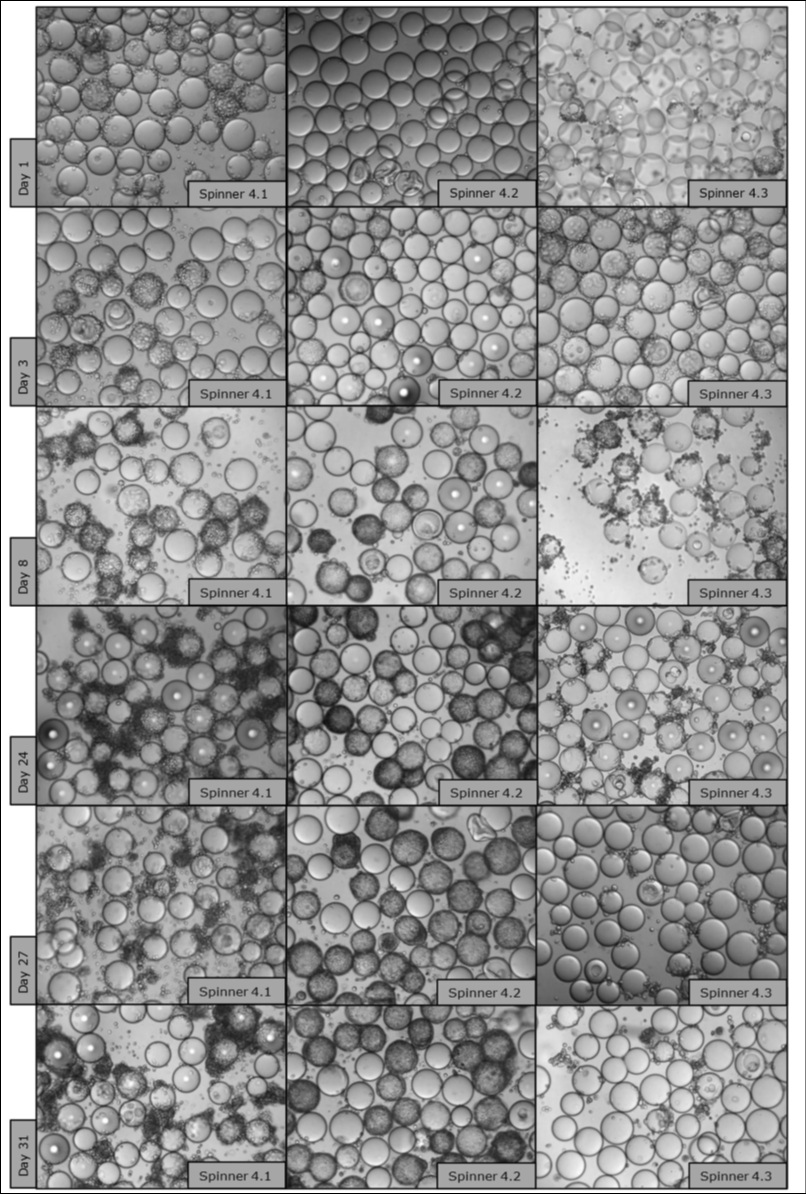
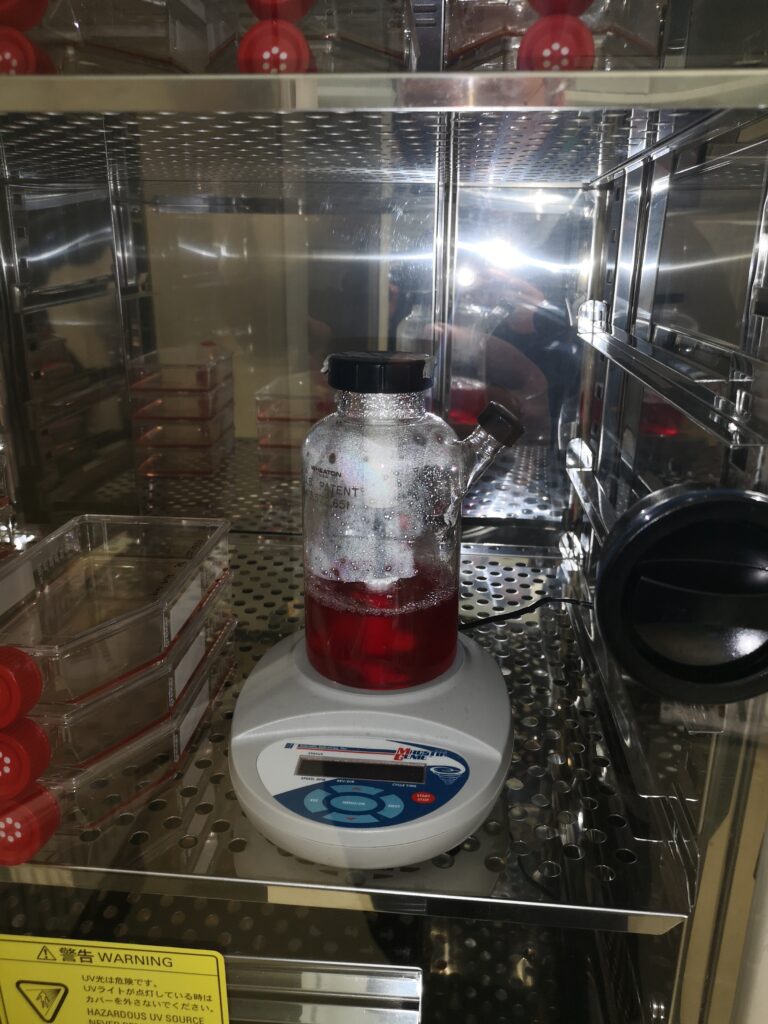
Furthermore, a small-scale 3D cultivation of CaCo-2 and PANC-1 cells on Cytodex 1 microcarriers in spinner flasks could be established. CaCo-2 cell attachment to microcarrier beads was slower with a longer lag phase but stronger than for PANC-1 cells, which showed signs of strong cell growth despite an imperfect attachment in the spinner flasks. This 3D cultivation was instrumental in the harvest of sufficient quantities of cancer cell-derived exosomes for use in the experiments investigating their interaction with 5-fluorouracil treatment.
In conclusion, interesting results could be obtained confirming the origin-specific proposed tumour suppressive activity of milk-derived exosomes as well as the antiproliferative potential of chamomile and Sutherlandia products, which support the relevance of further investigation of these agents. The small-scale 3D cultivation of CaCo-2 and PANC-1 cells holds promise for further applications including adaptation for CaCo-2 cell-based permeability assays.
Impressionen aus dem Labor:
Projekte im Labor (Praktika,….)
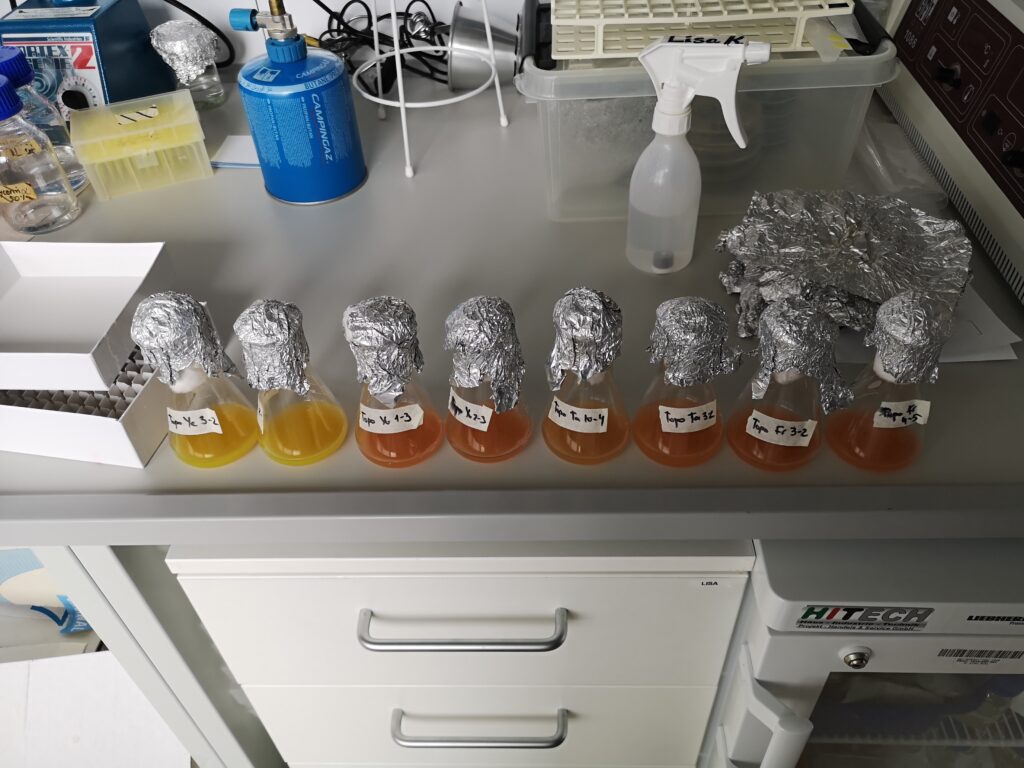
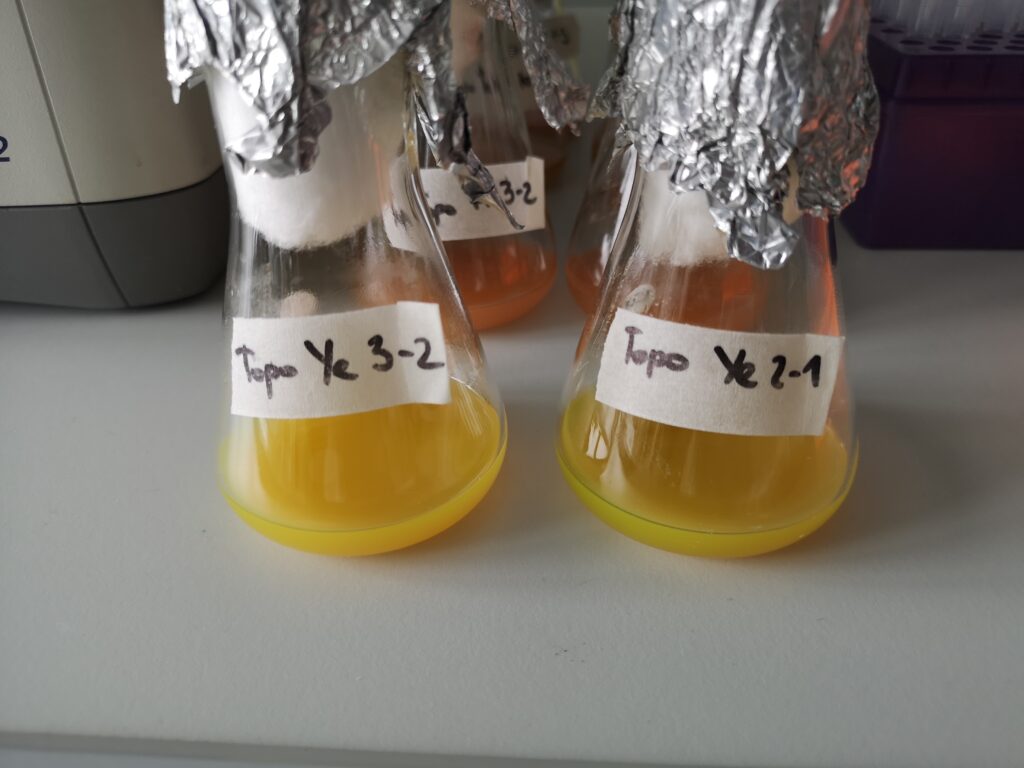
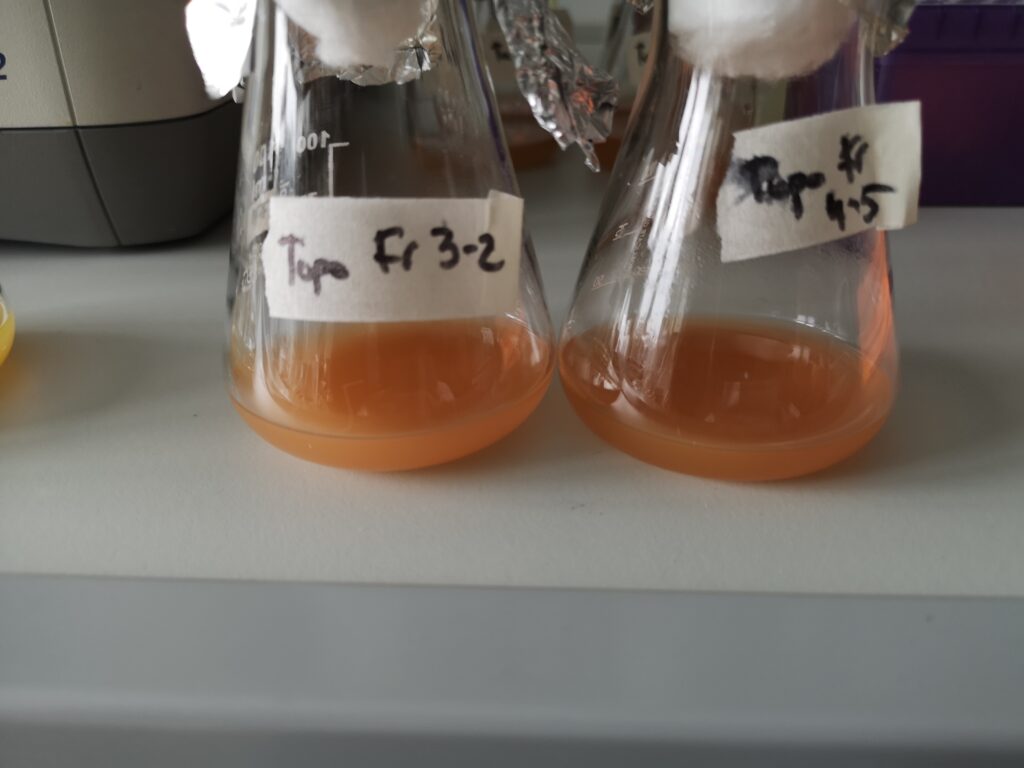
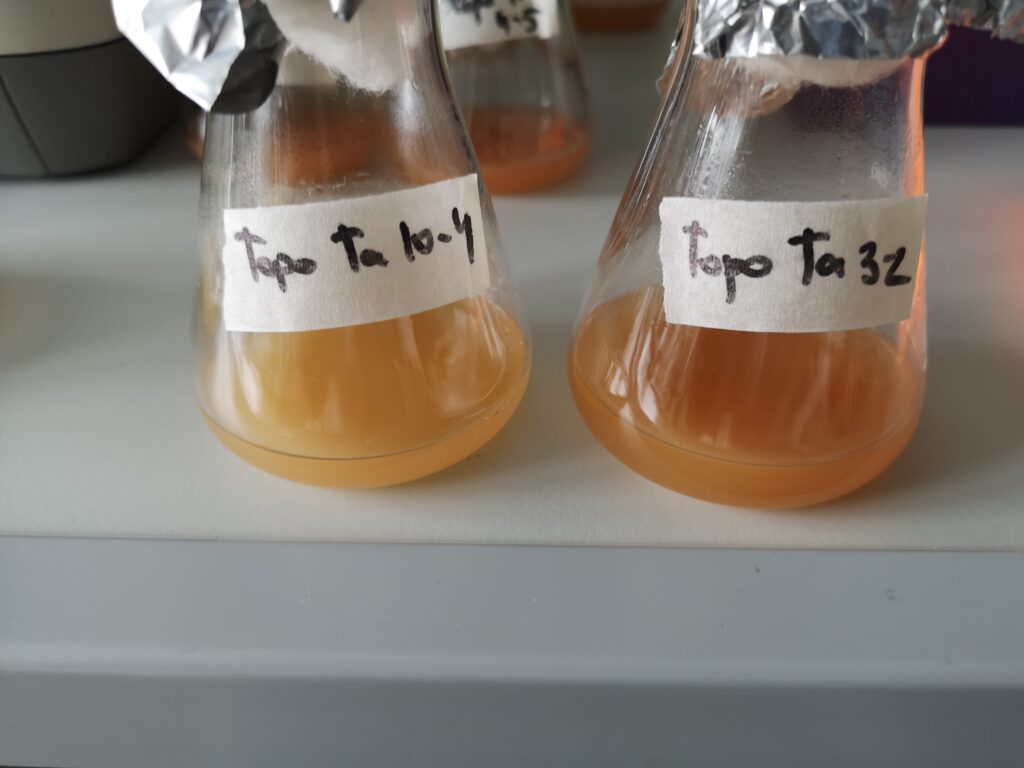
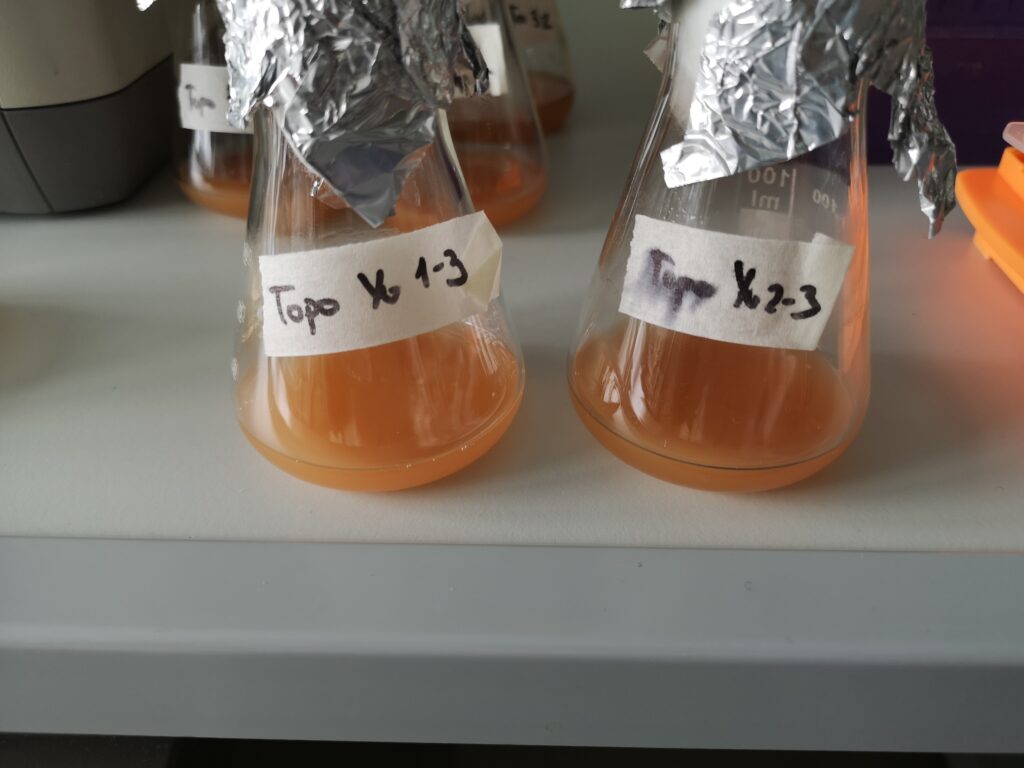
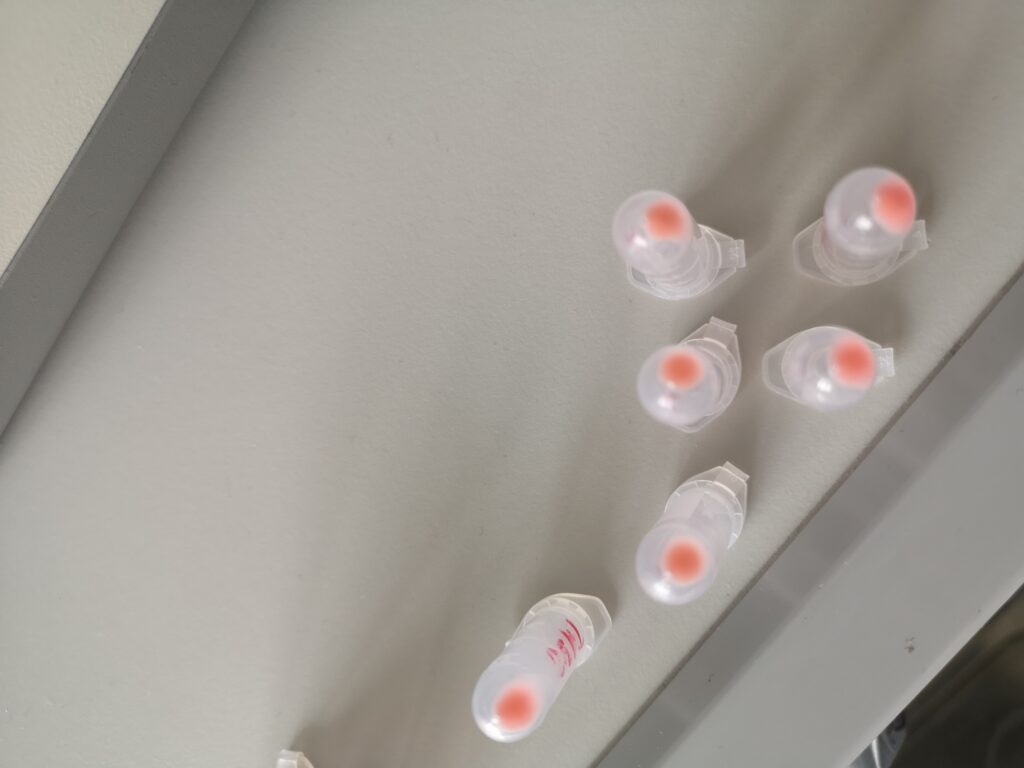
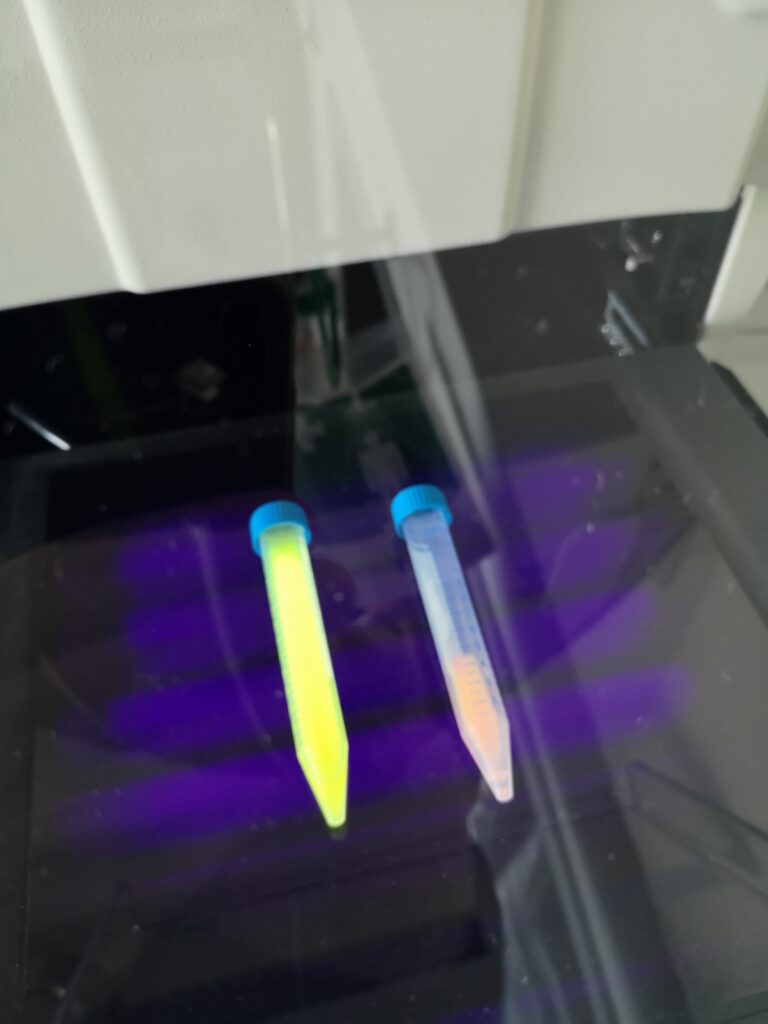
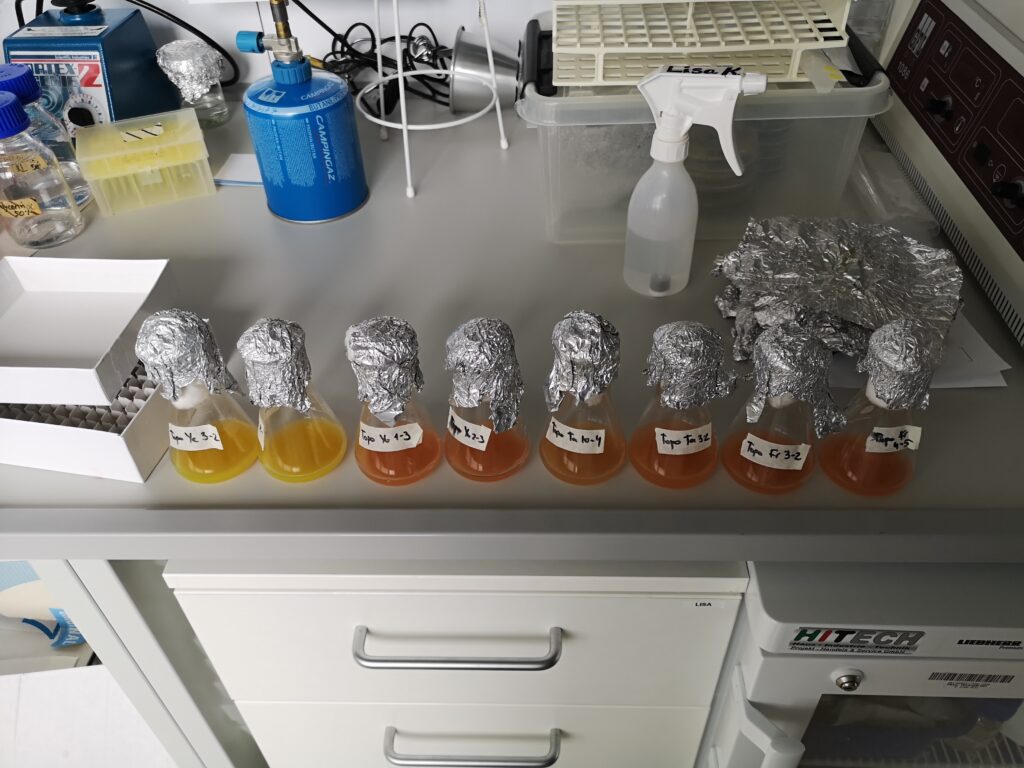
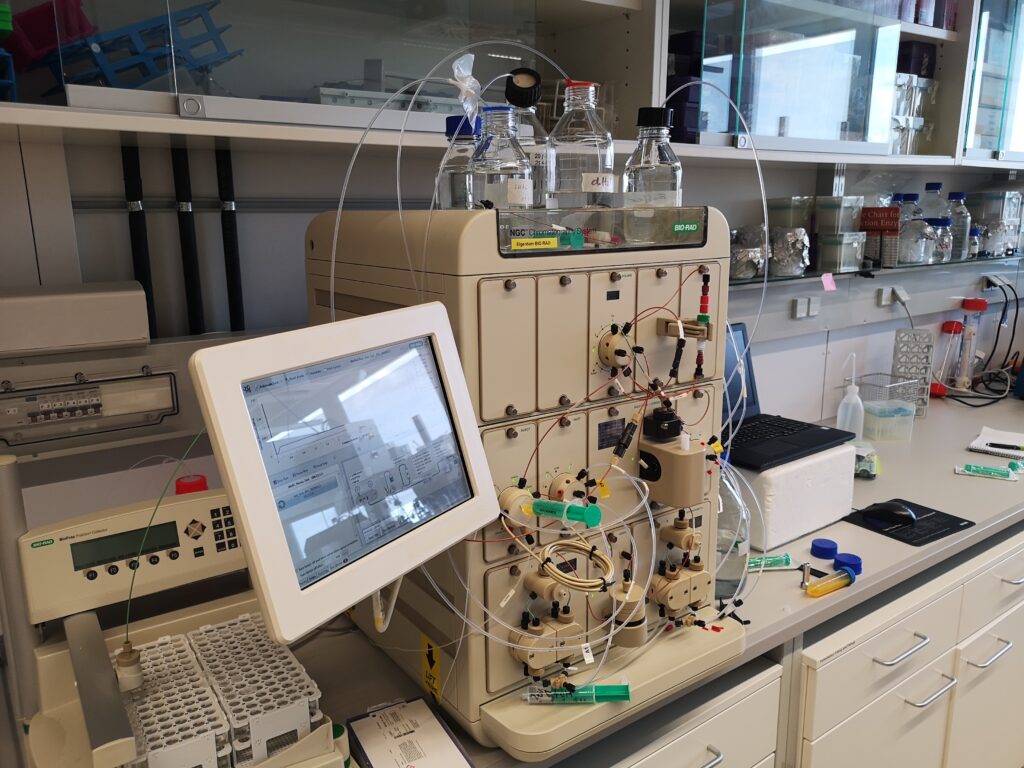
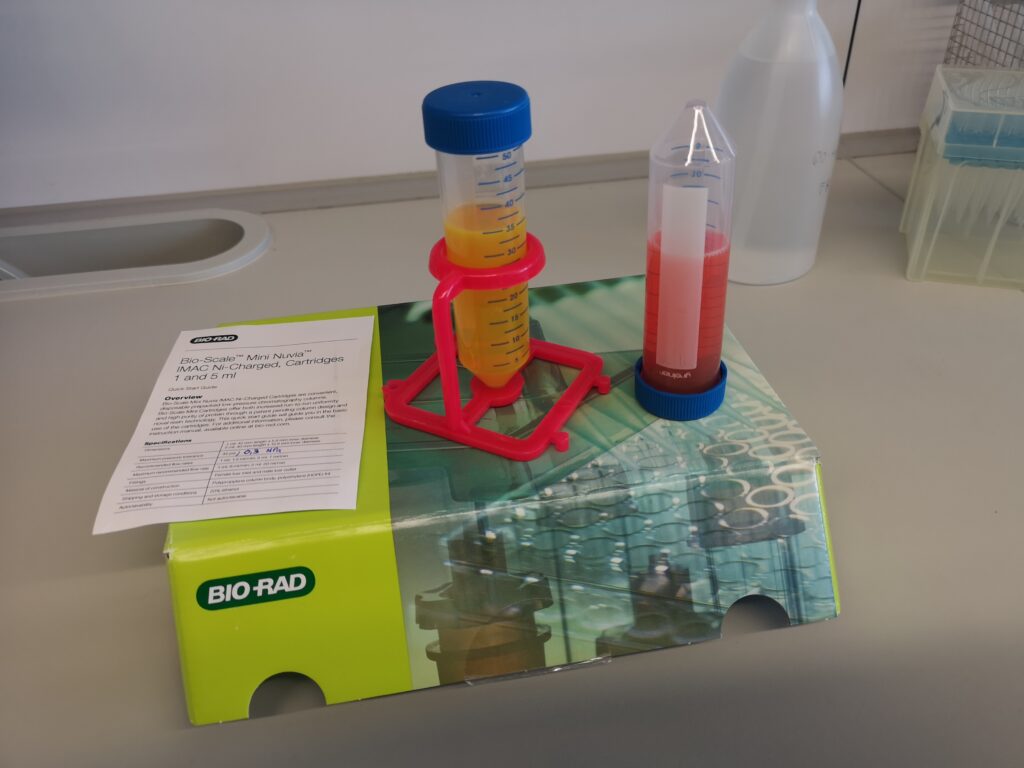
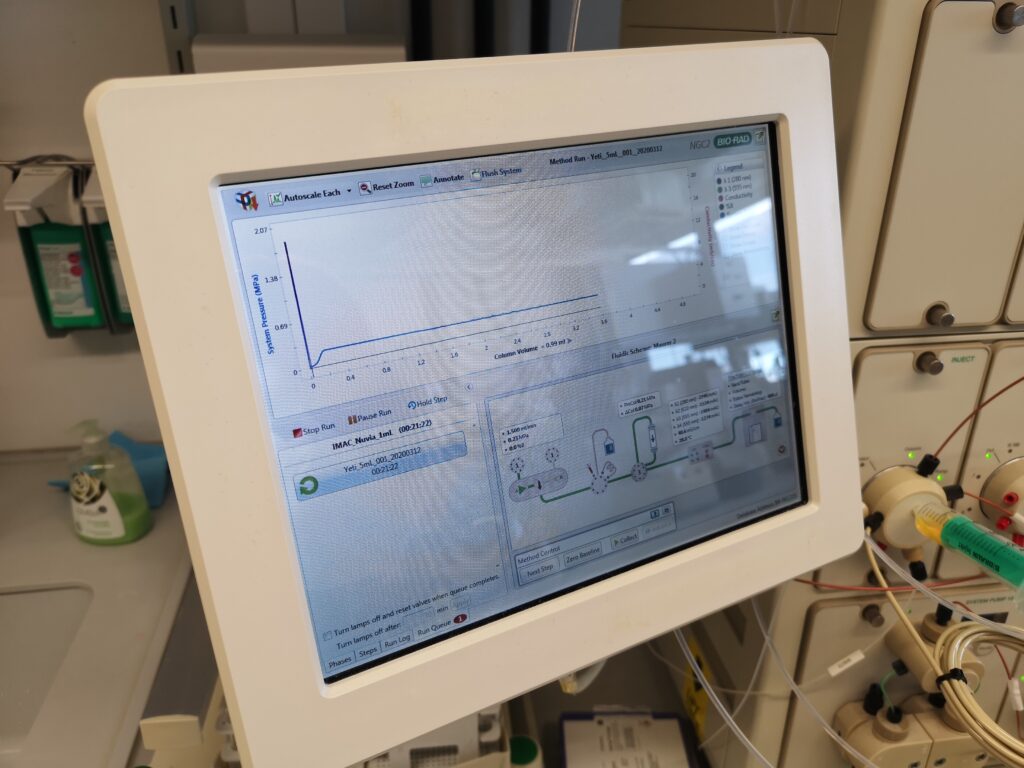
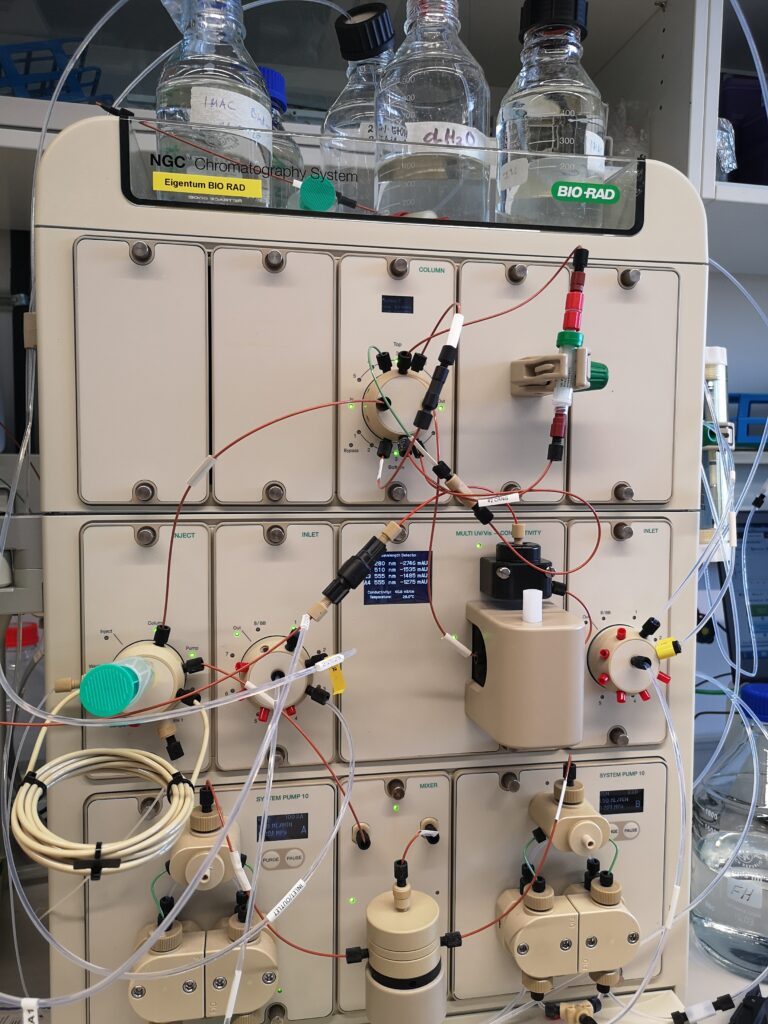
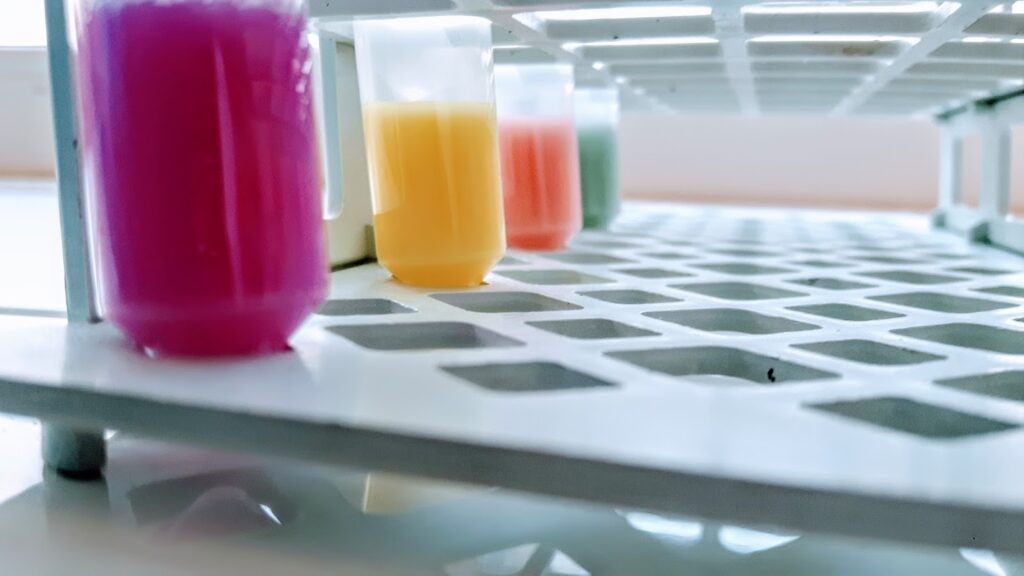
Die Proteine wurden von Student*innen kloniert und exprimiert und aufgereinigt mittels HIS-Tag-IMAC Chromatographie und wir werden die produzierenden e. colis für die Übungen einsetzen….
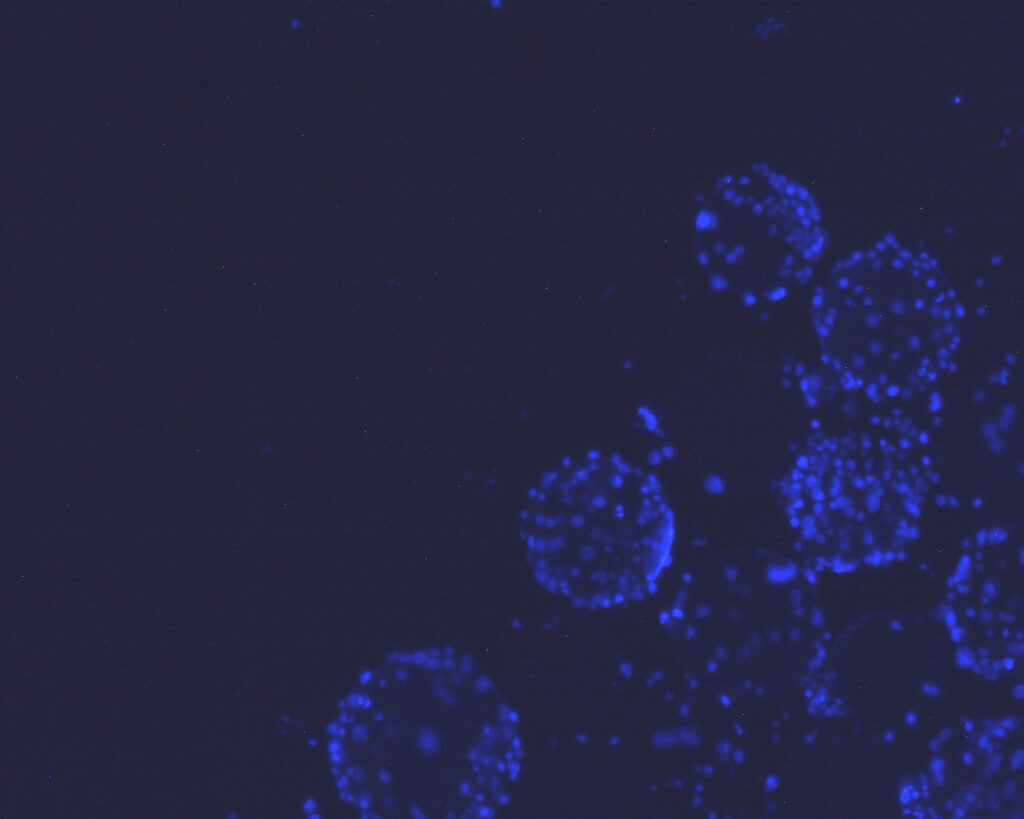
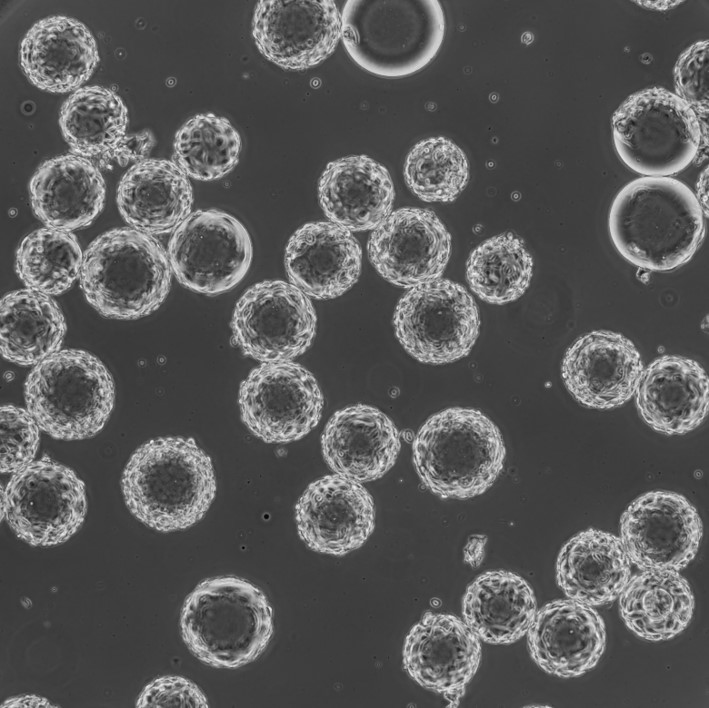
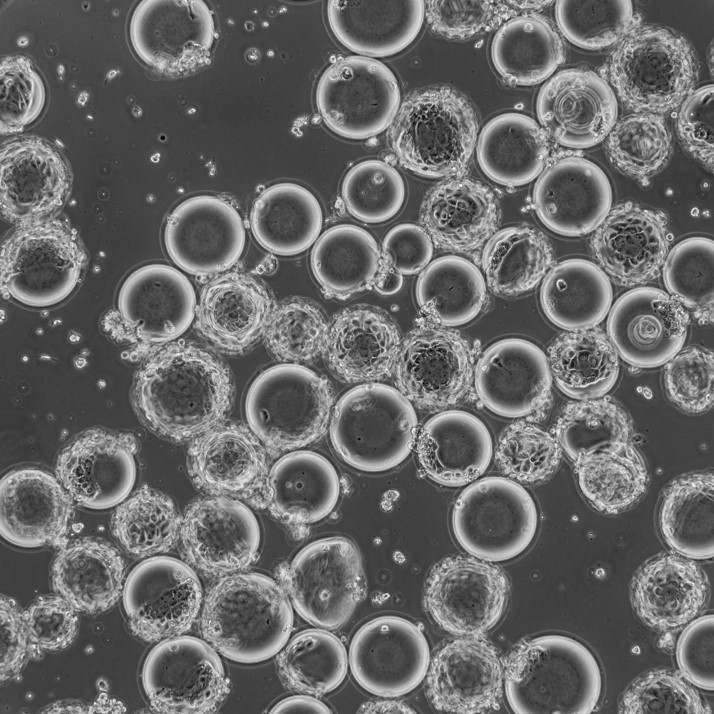
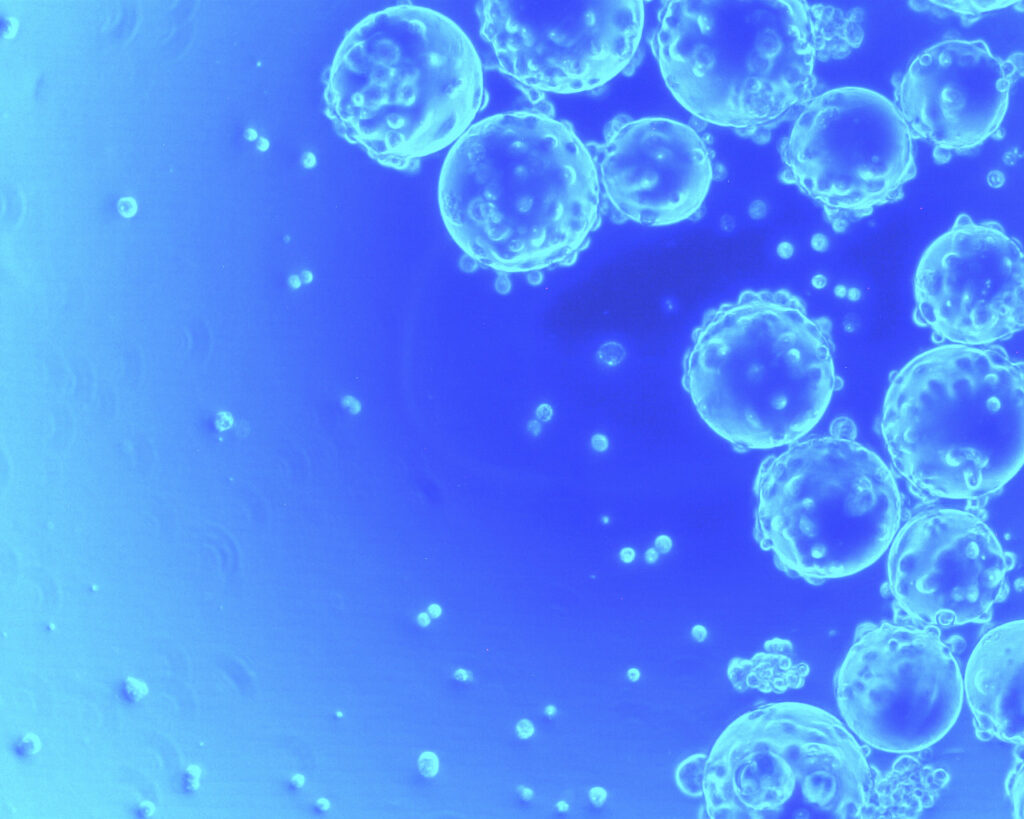
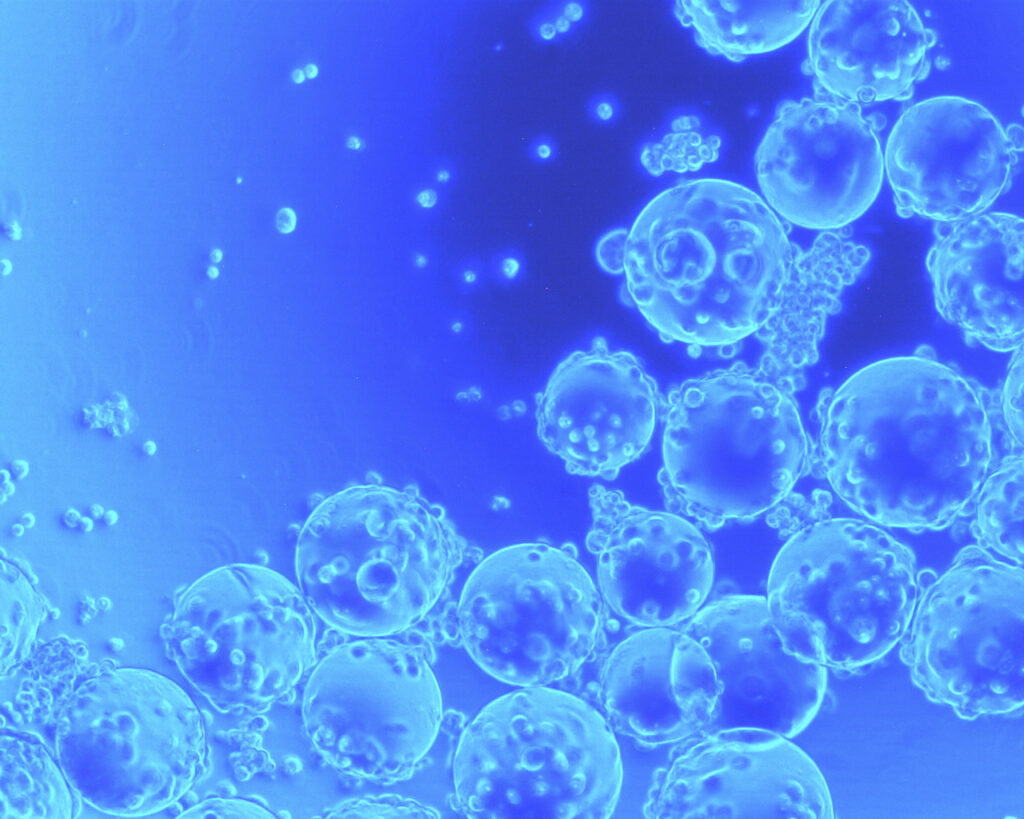
Student*innen haben versucht ein Programm zu schreiben mit dem man DAPI gefärbte Zellkerne auf Microcarriern zählen kann….
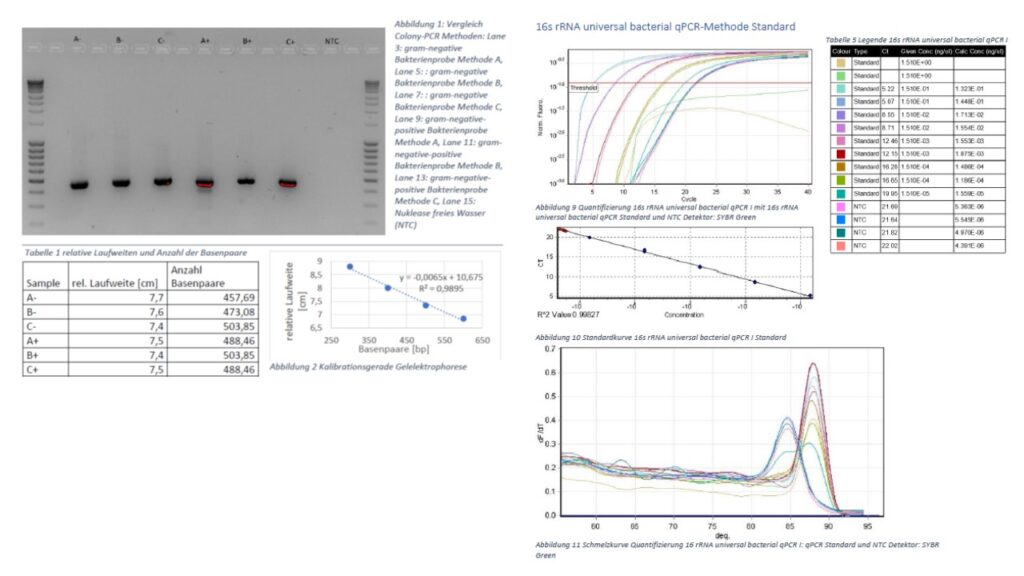
Praktikum: 16s rRNA universal bacterial qPCR
Autor: Maximilian Potzel
Abstract
In Zellkultur Laboren in denen vornehmlich mit tierischen Zellen gearbeitet wird, stellen bakterielle Kontaminationen aufgrund der schnelleren Wachstumsgeschwindigkeit, im Vergleich zu tierischen Zelllinien, eine sehr hohe Quelle für das Scheitern von Experimenten dar. Zwar gibt es verschiedene Möglichkeiten Zelllinien und Medien auf bakterielle Zellen überprüfen zu können, wie die Sequenzierung in einem entsprechenden Labor oder das Ausstreichen auf Nährmedienplatten und anschließende Beobachtung auf potenzielles Wachstum. Allerdings besteht der Bedarf an einer Methode, welche schnell, günstig sowie, mit vorhandenem Laborequipment, einfach durchzuführen ist, aber trotzdem ausreichend sensitive und spezifische Ergebnisse liefert. Hierzu wurde versucht einen Teil der ribosomalen 16s RNA zu amplifizieren, da dieses Gen hoch konserviert in vielen verschieden Bakterienspezies vorliegt. Im folgenden Text wird der Versuch der Entwicklung einer entsprechenden qPCR-Methode beschrieben, welche alle bakterielle DNA gleichermaßen qualitativ und quantitav nachweisen kann.
Praktikum:
Durchführung von IL-6 ELISA Bestimmungen für die Altersforschung. Student*innen haben die Konzentration von IL-6 (einem inflammatorischen Cytokin) in Zellkulturüberständen von seneszenten Zellen gemessen die mit Pflanzenextrakten und natürlichen Substanzen behandelt wurden.
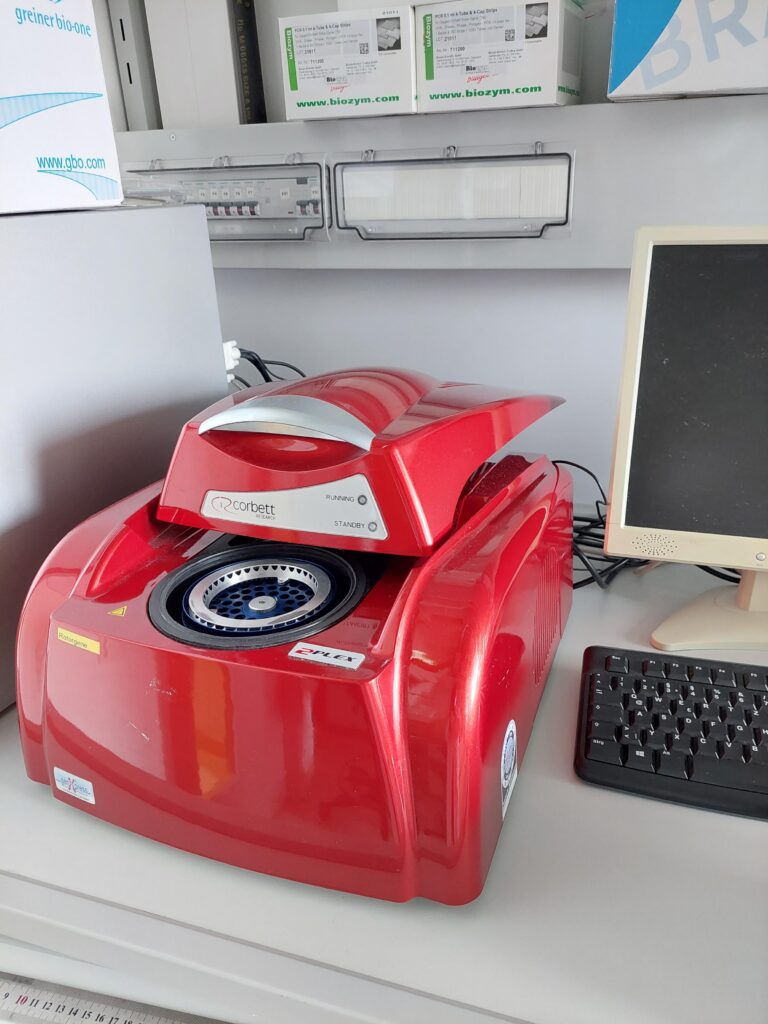
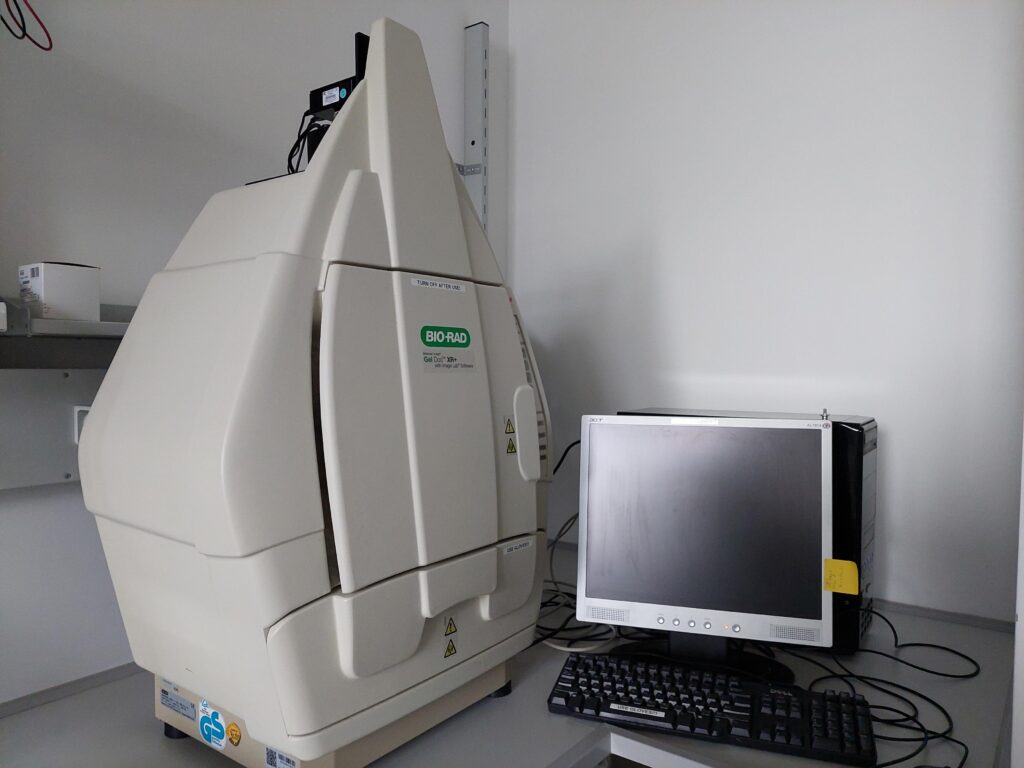
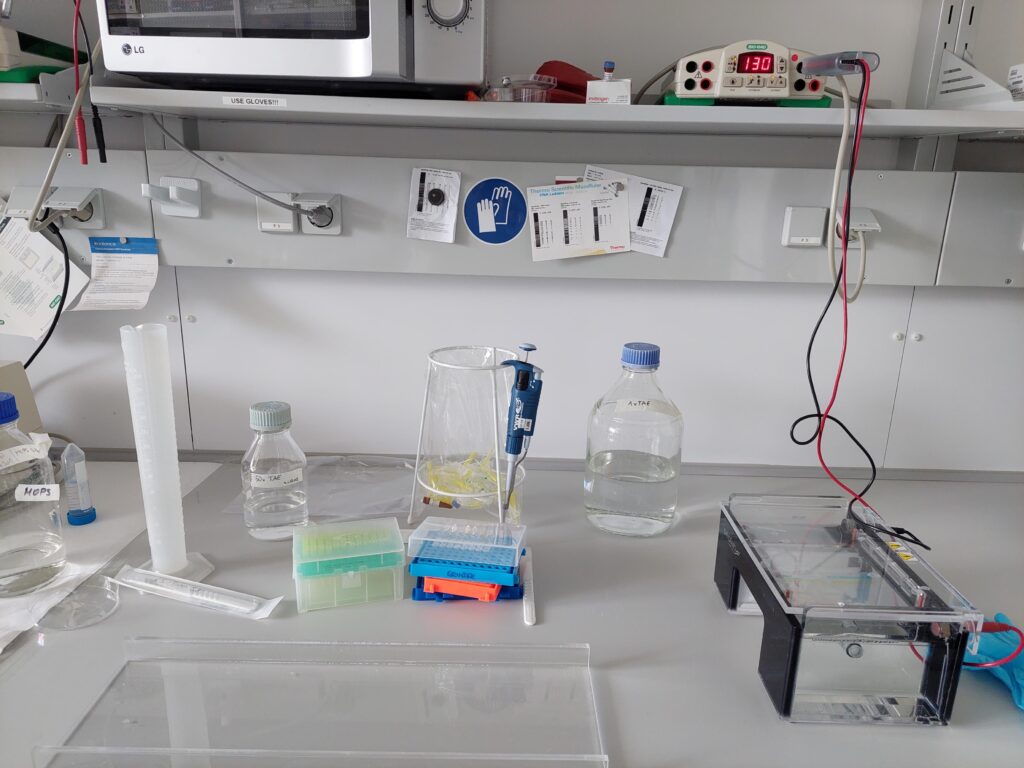
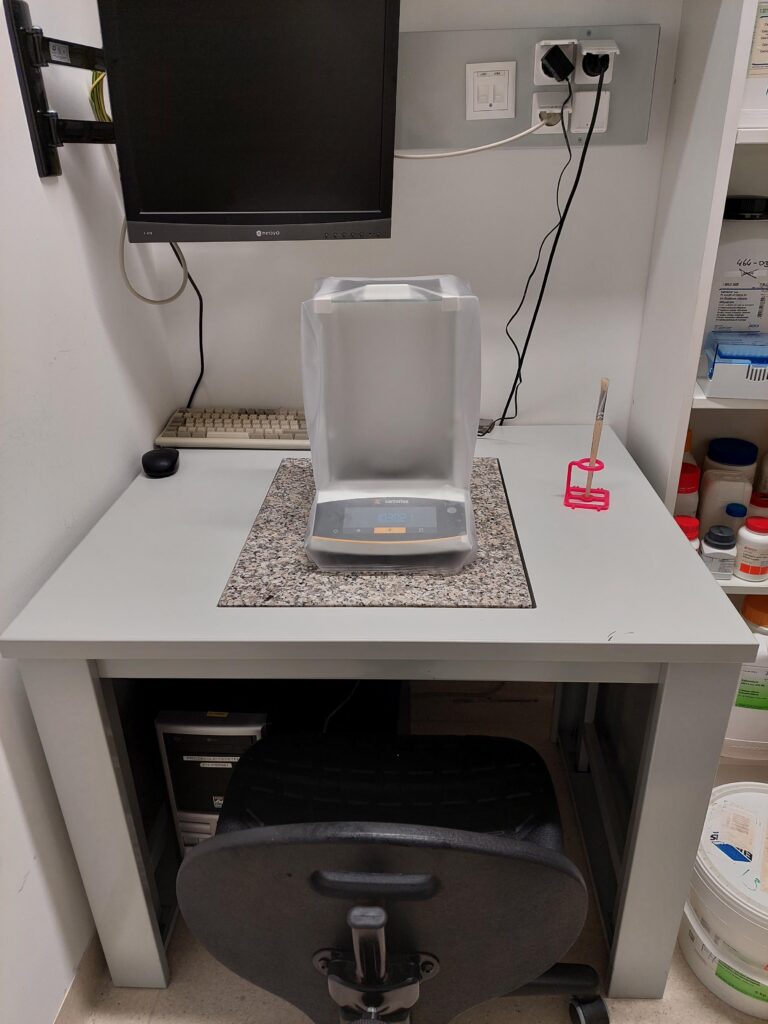
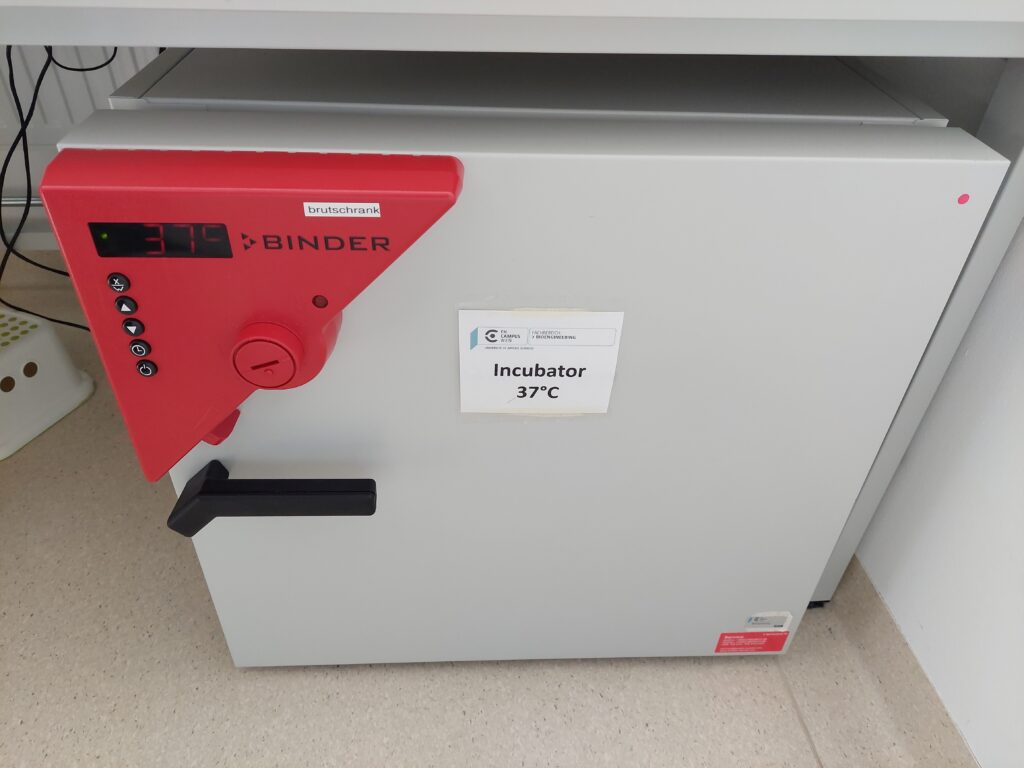
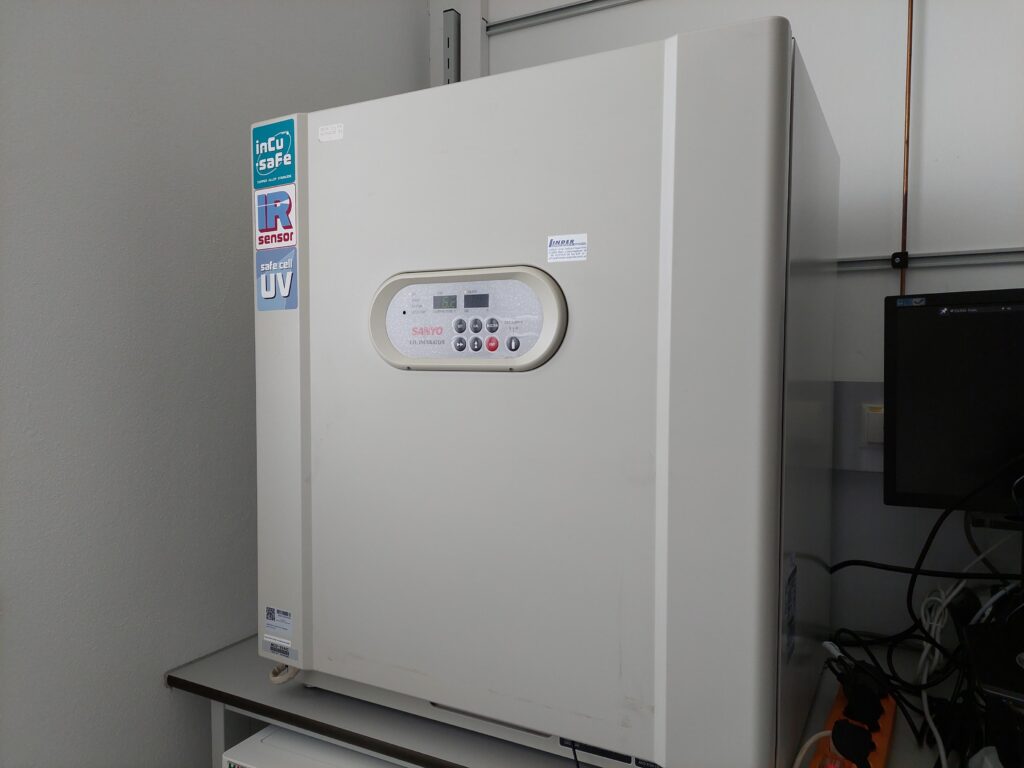
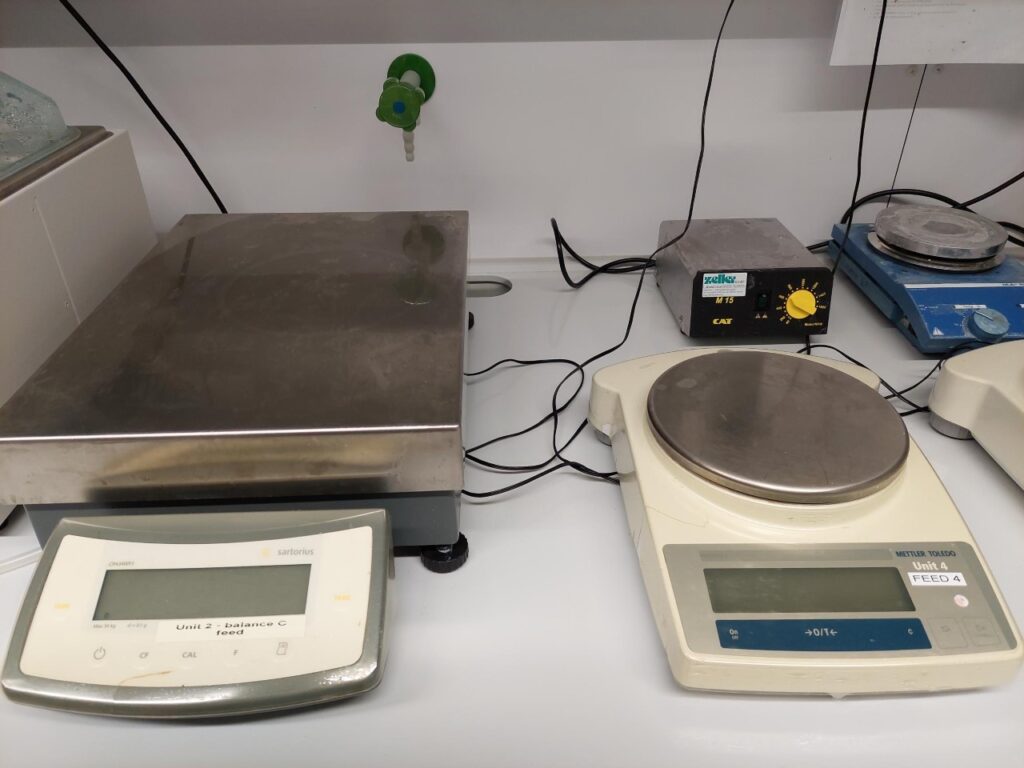
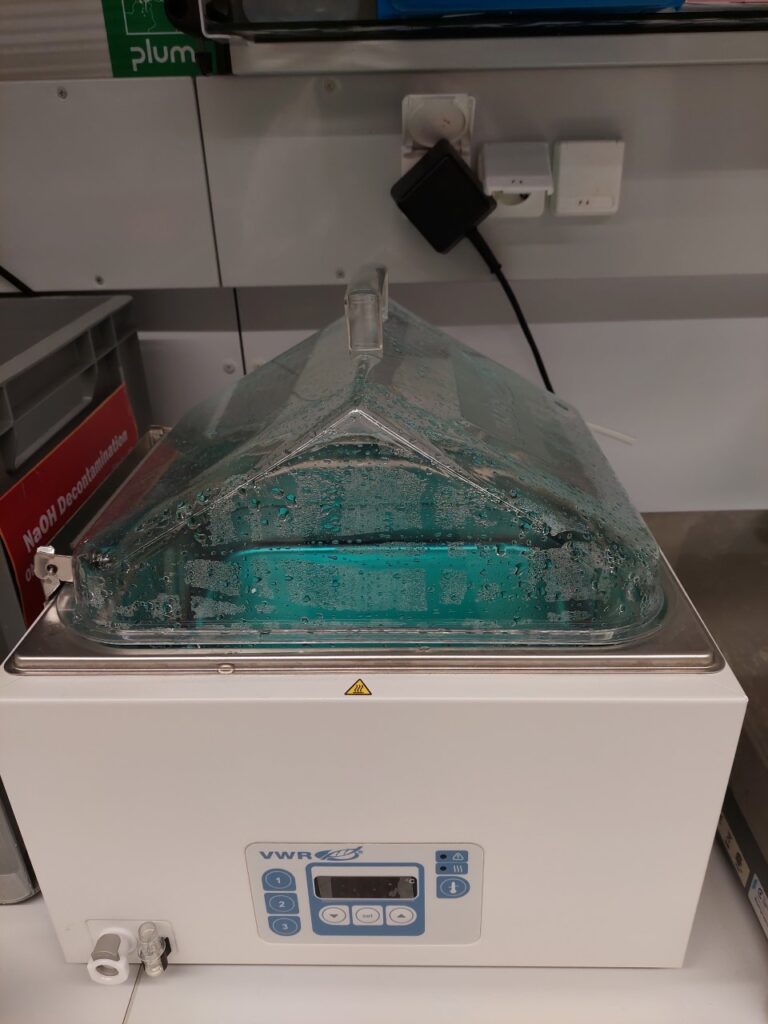
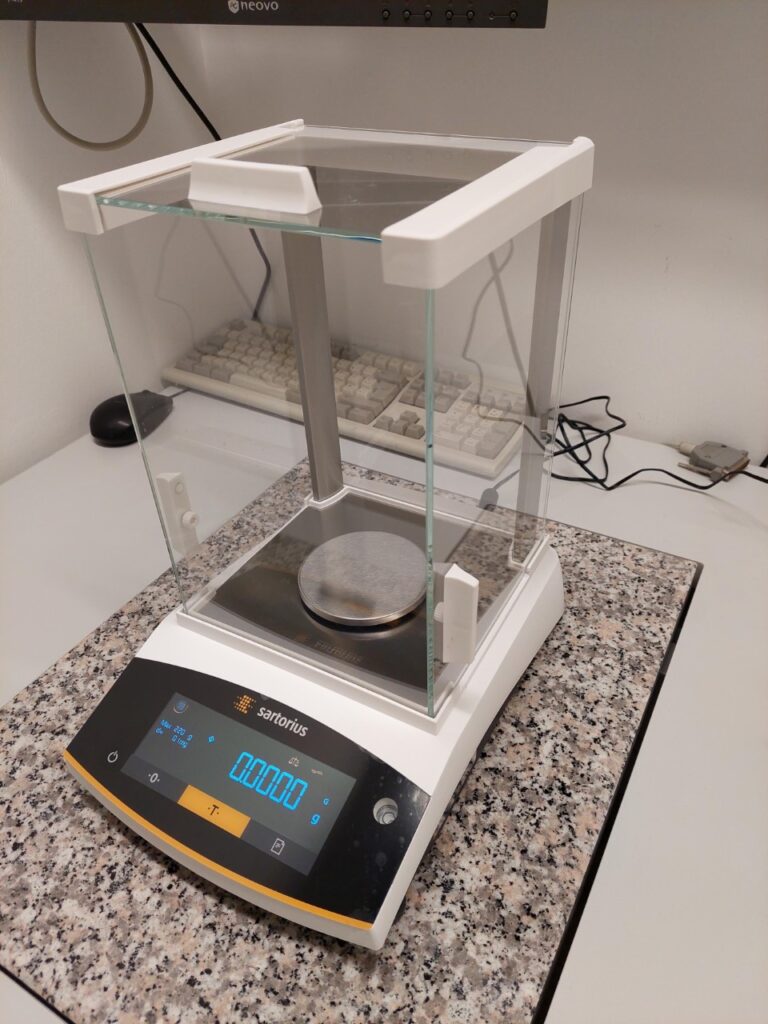
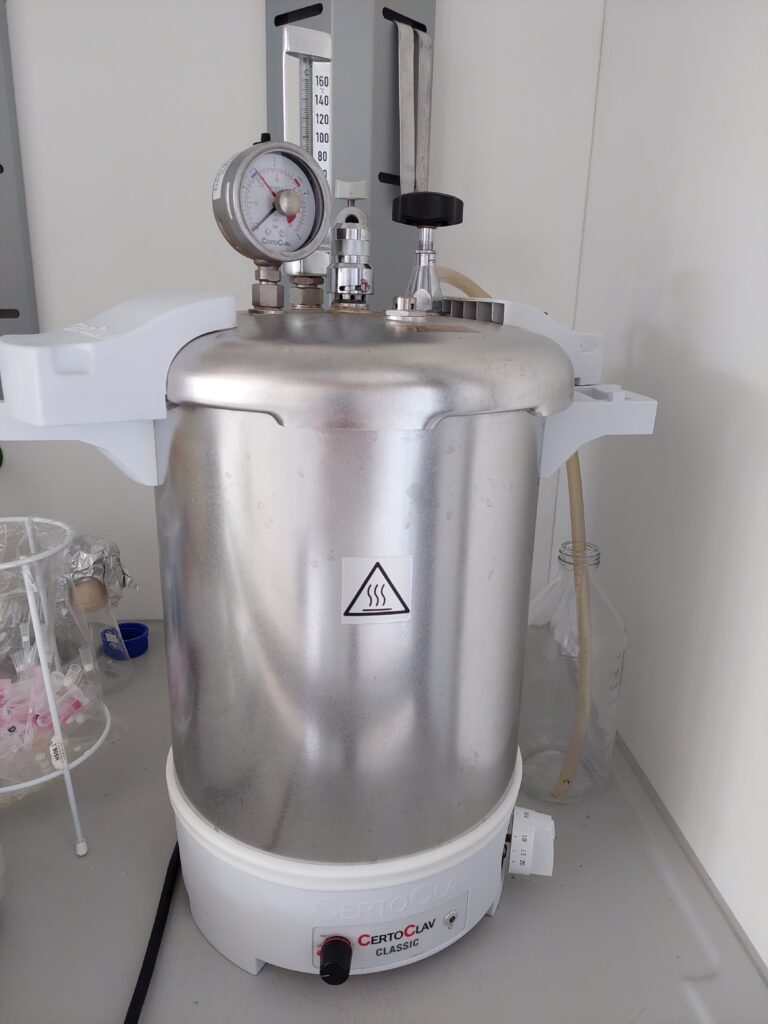
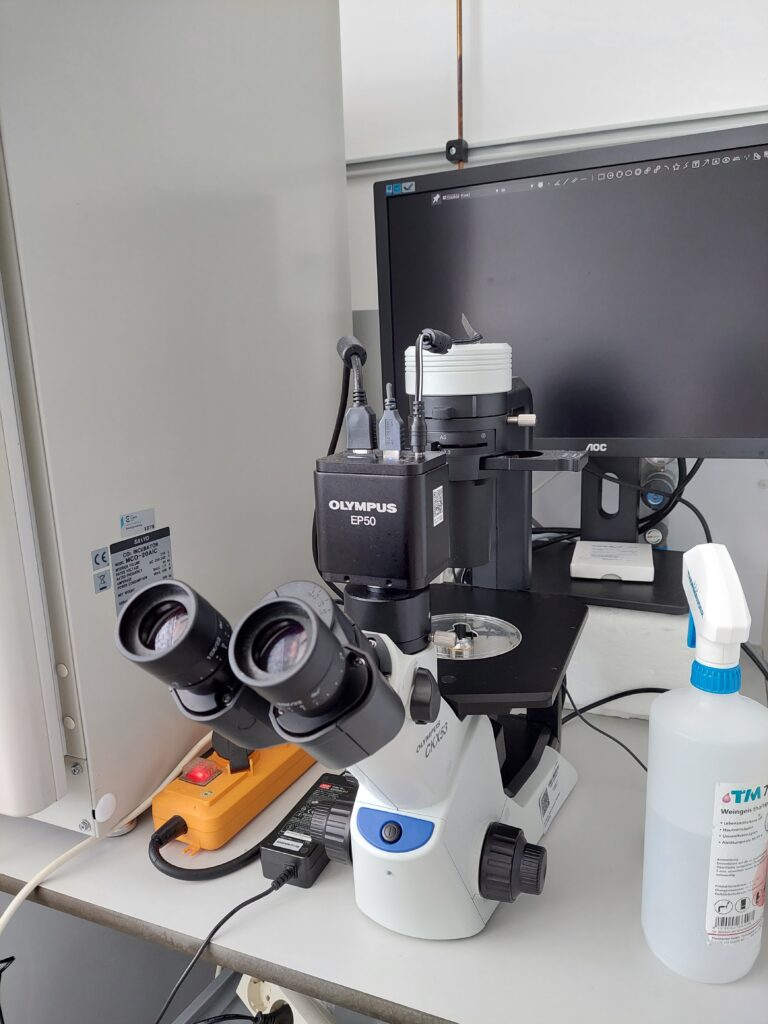
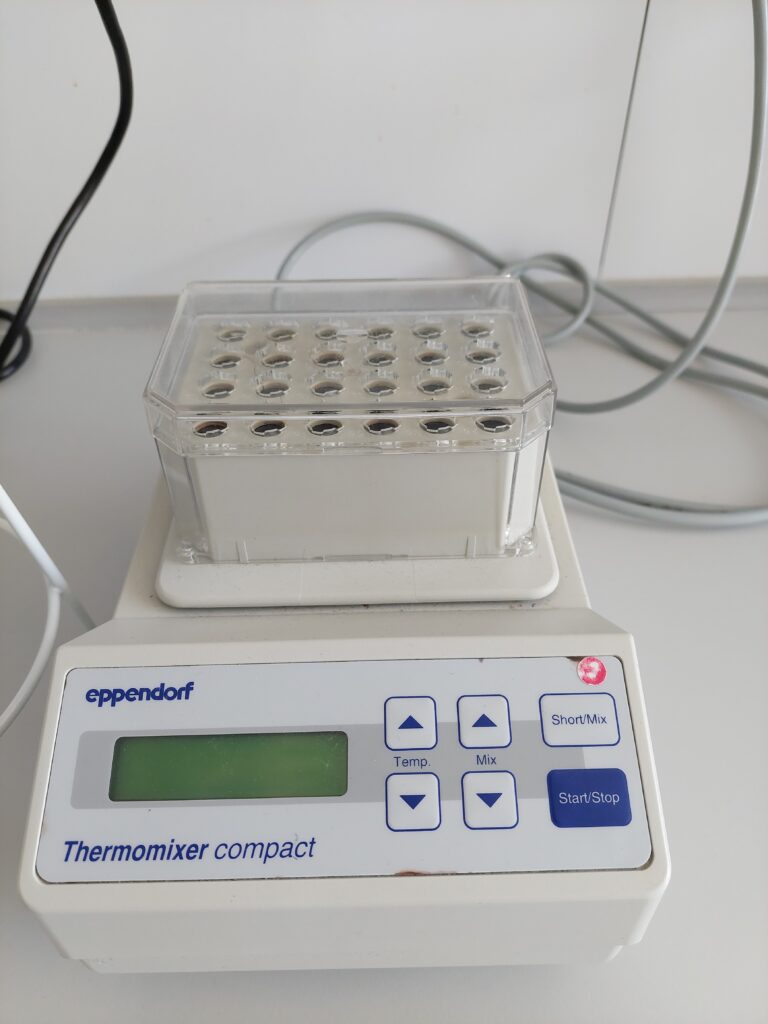
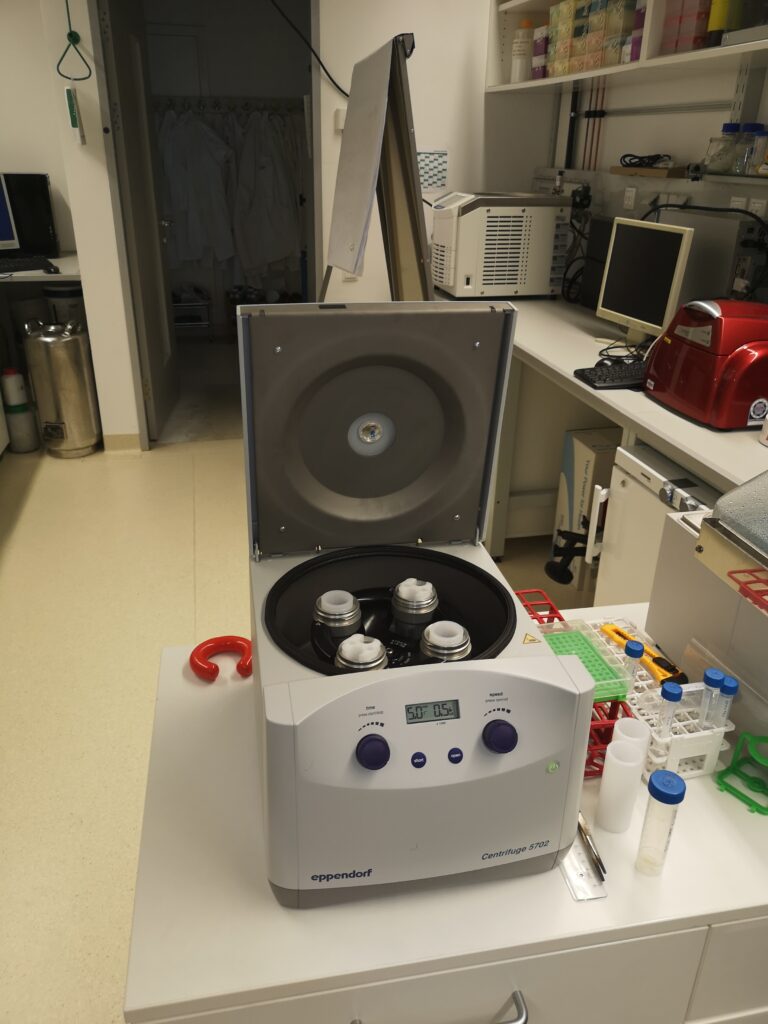
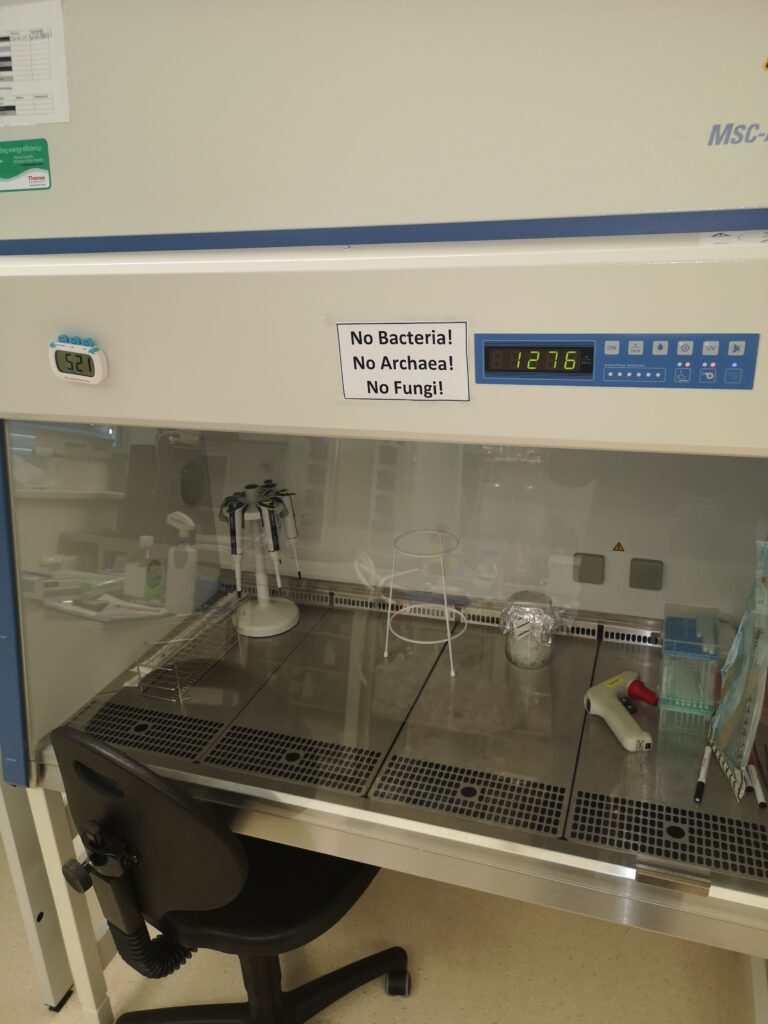
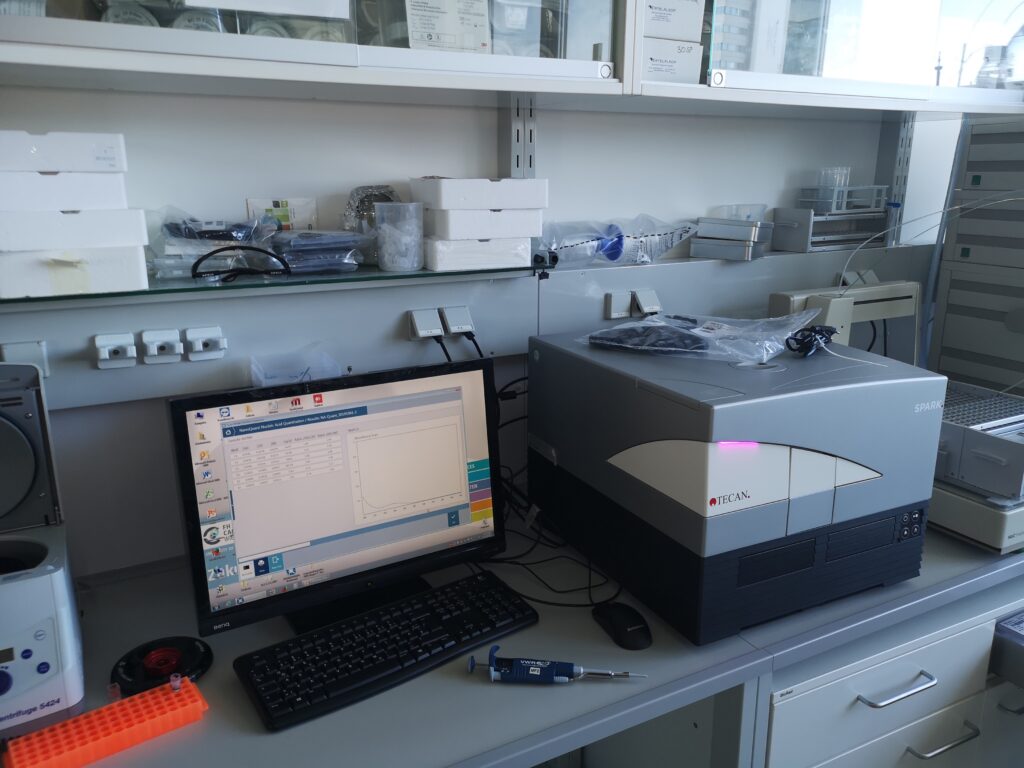
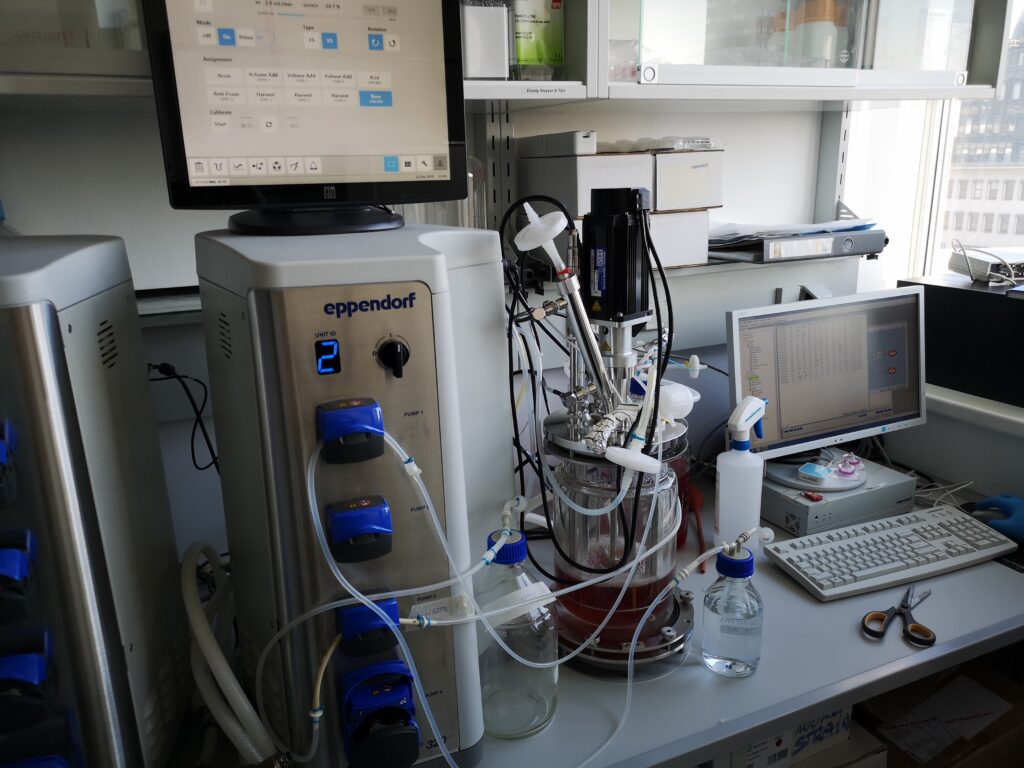
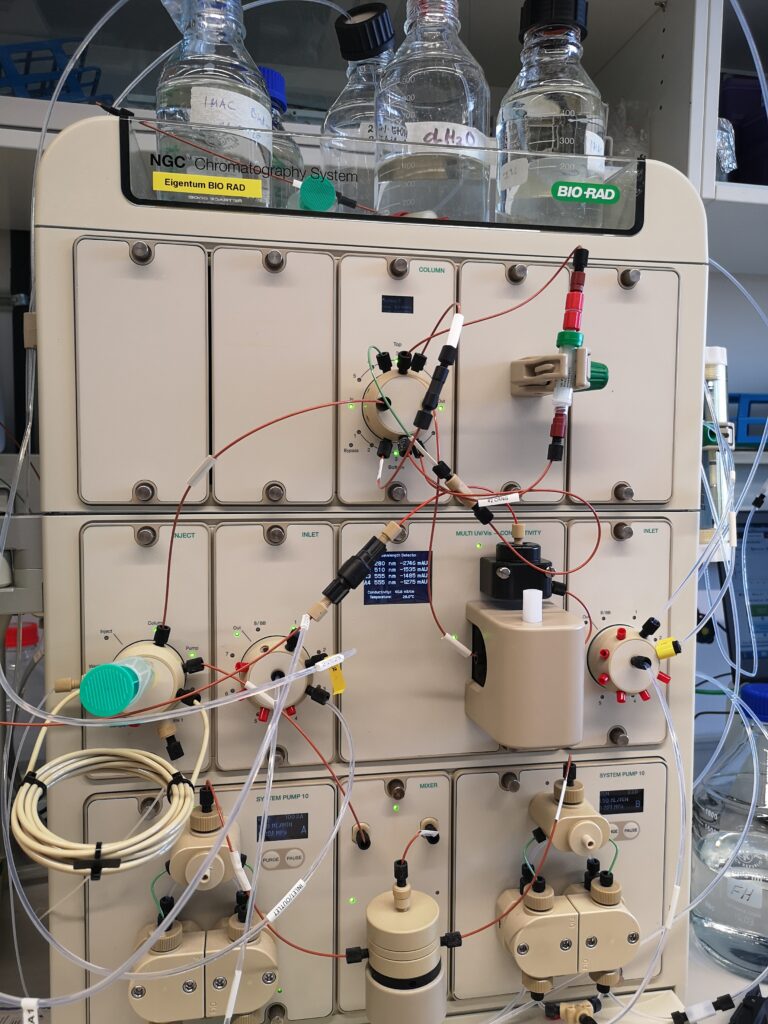
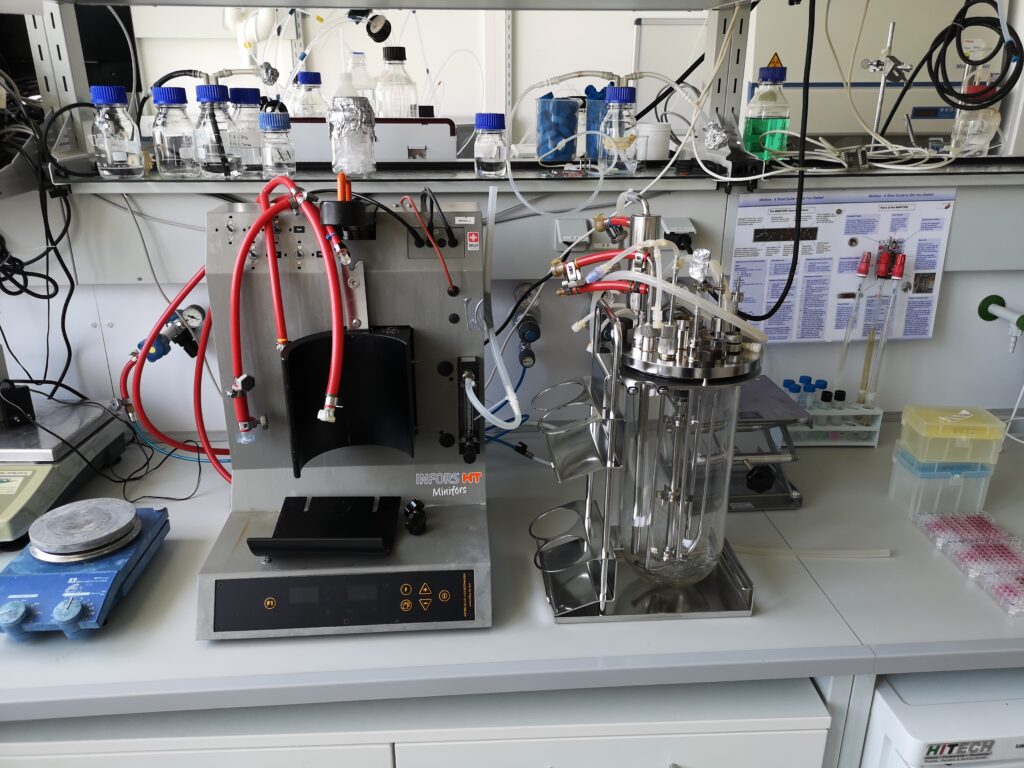
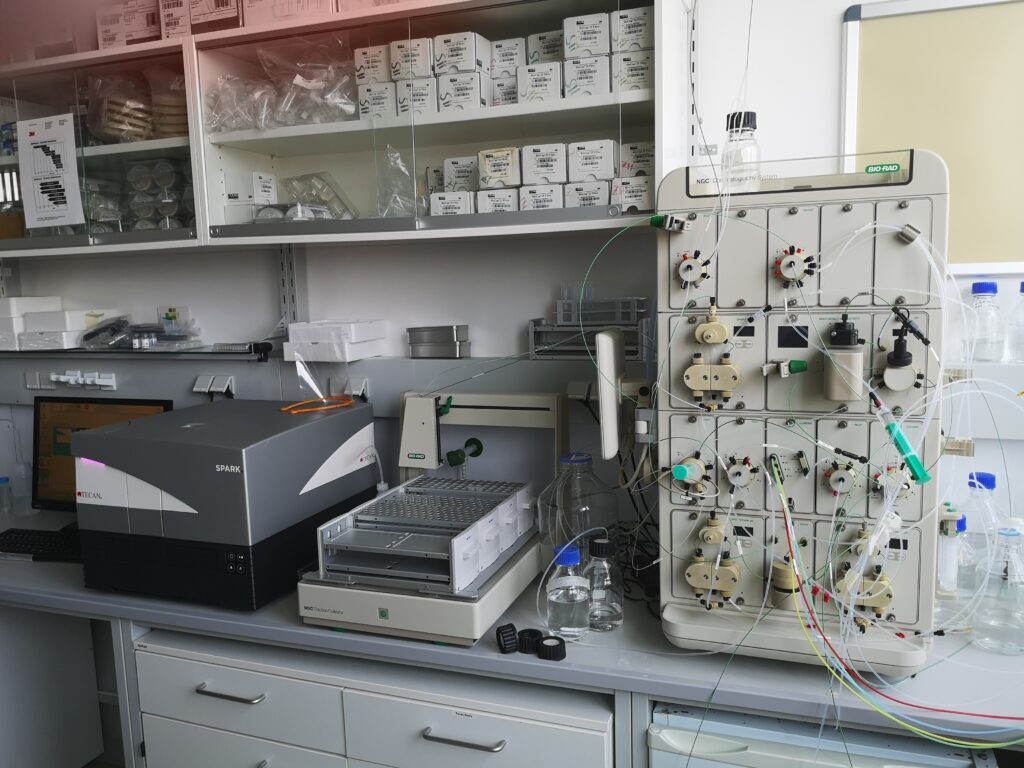
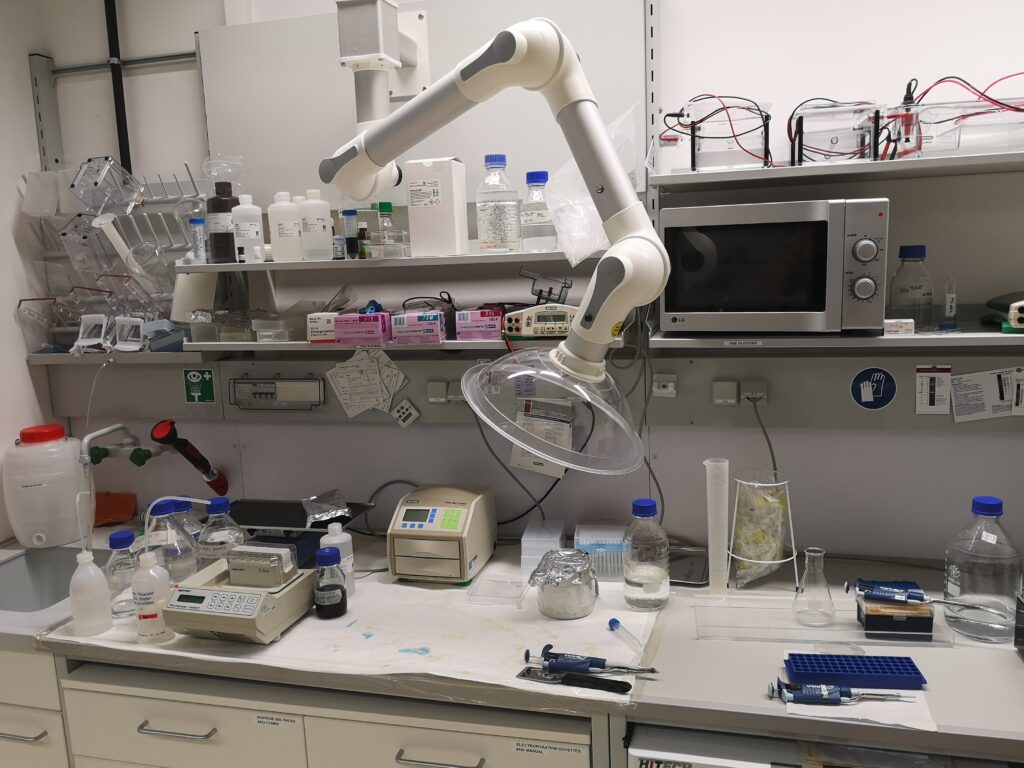
Ausstattung des Labors:
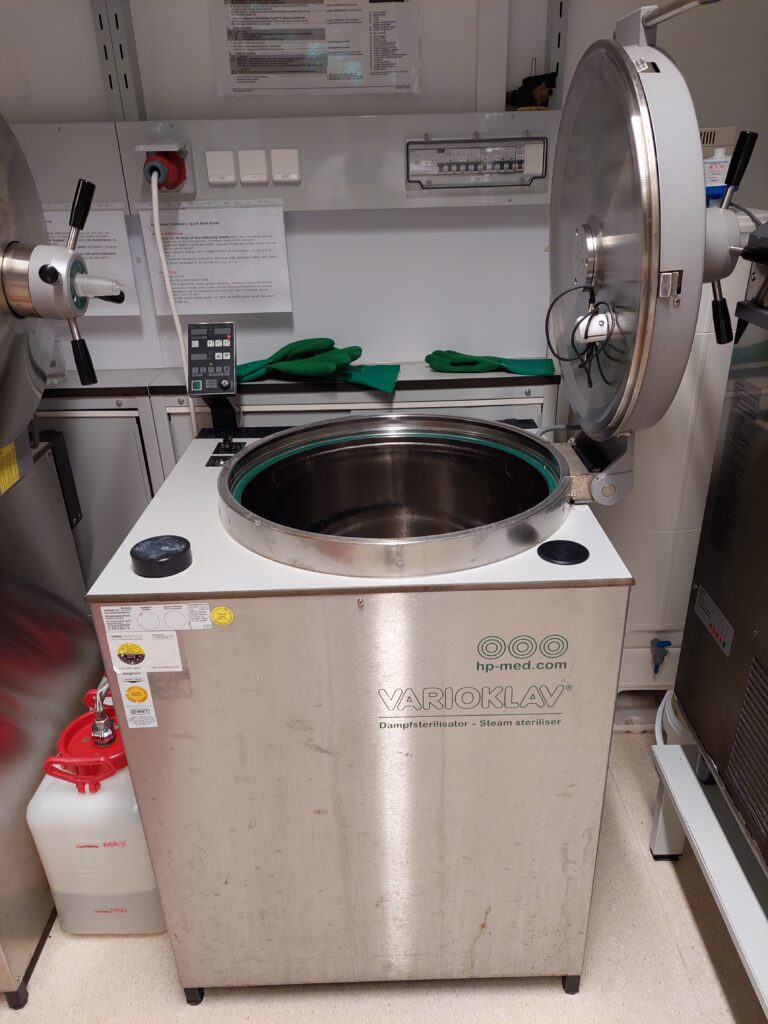
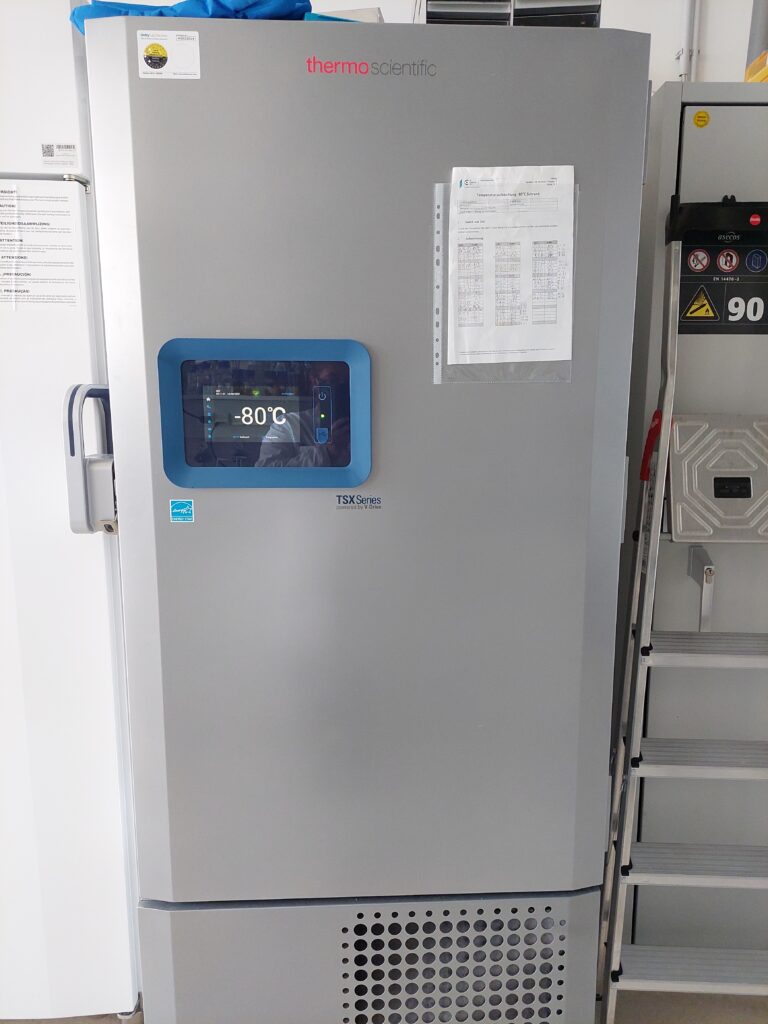
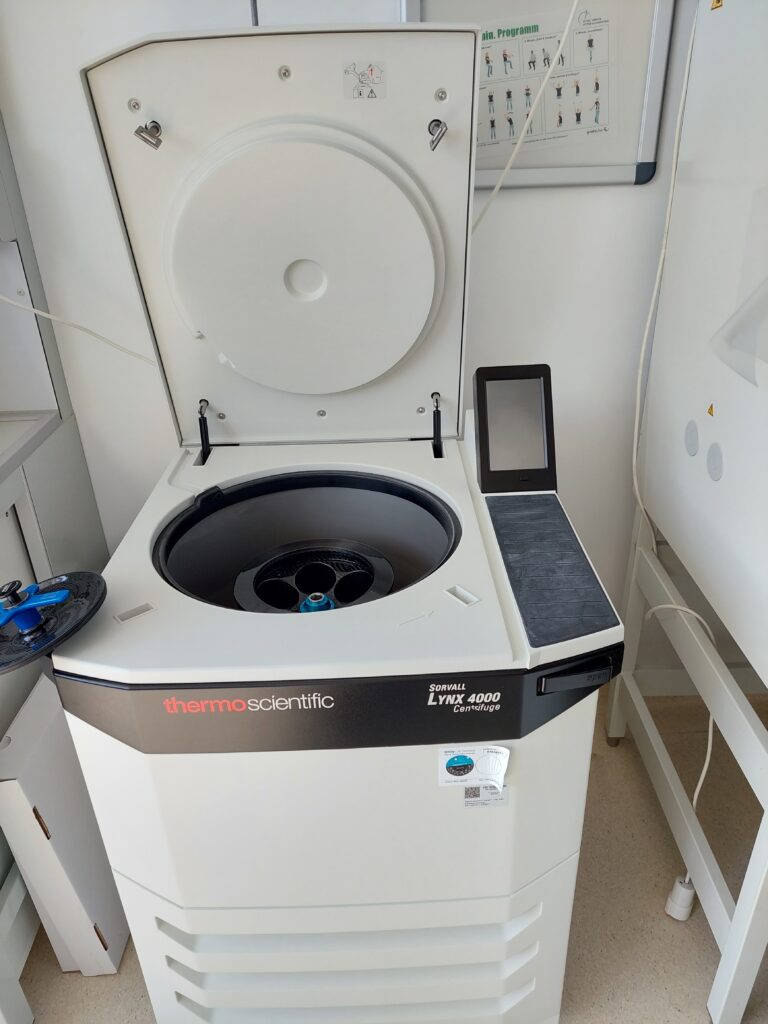

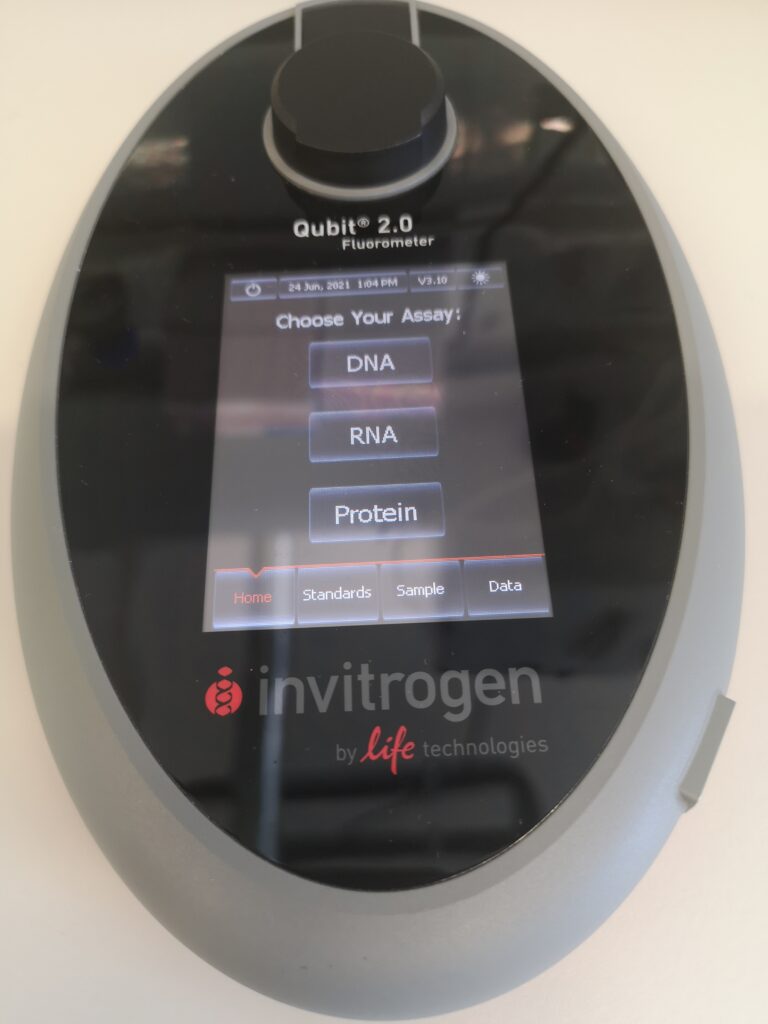
Übungen…
Bioanalytik Übungen
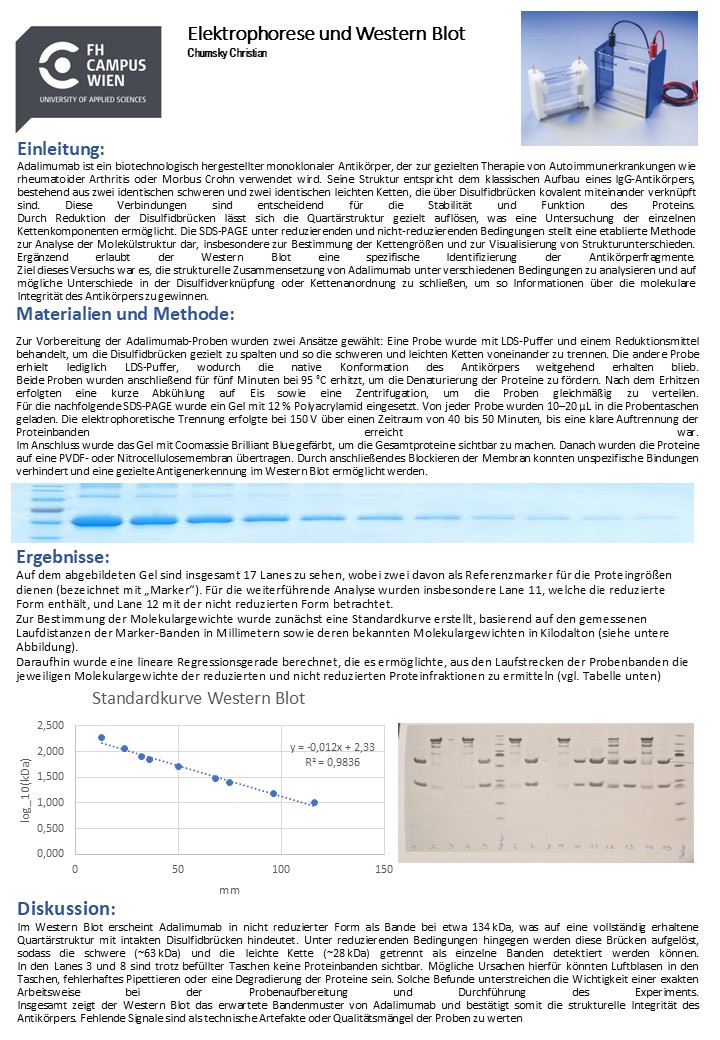
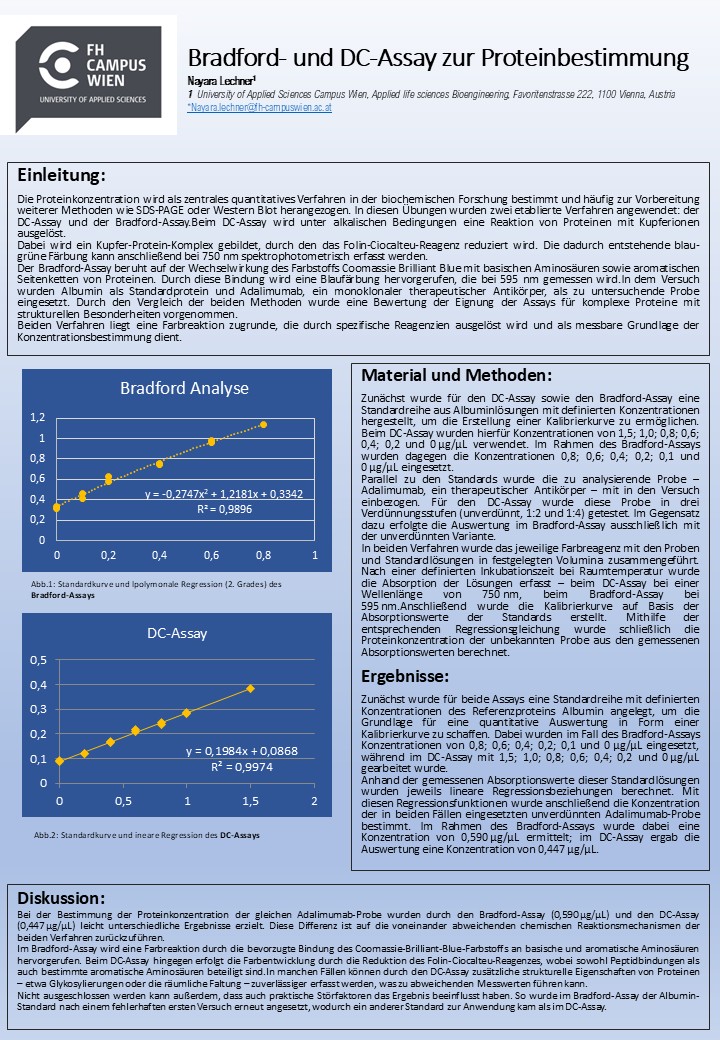
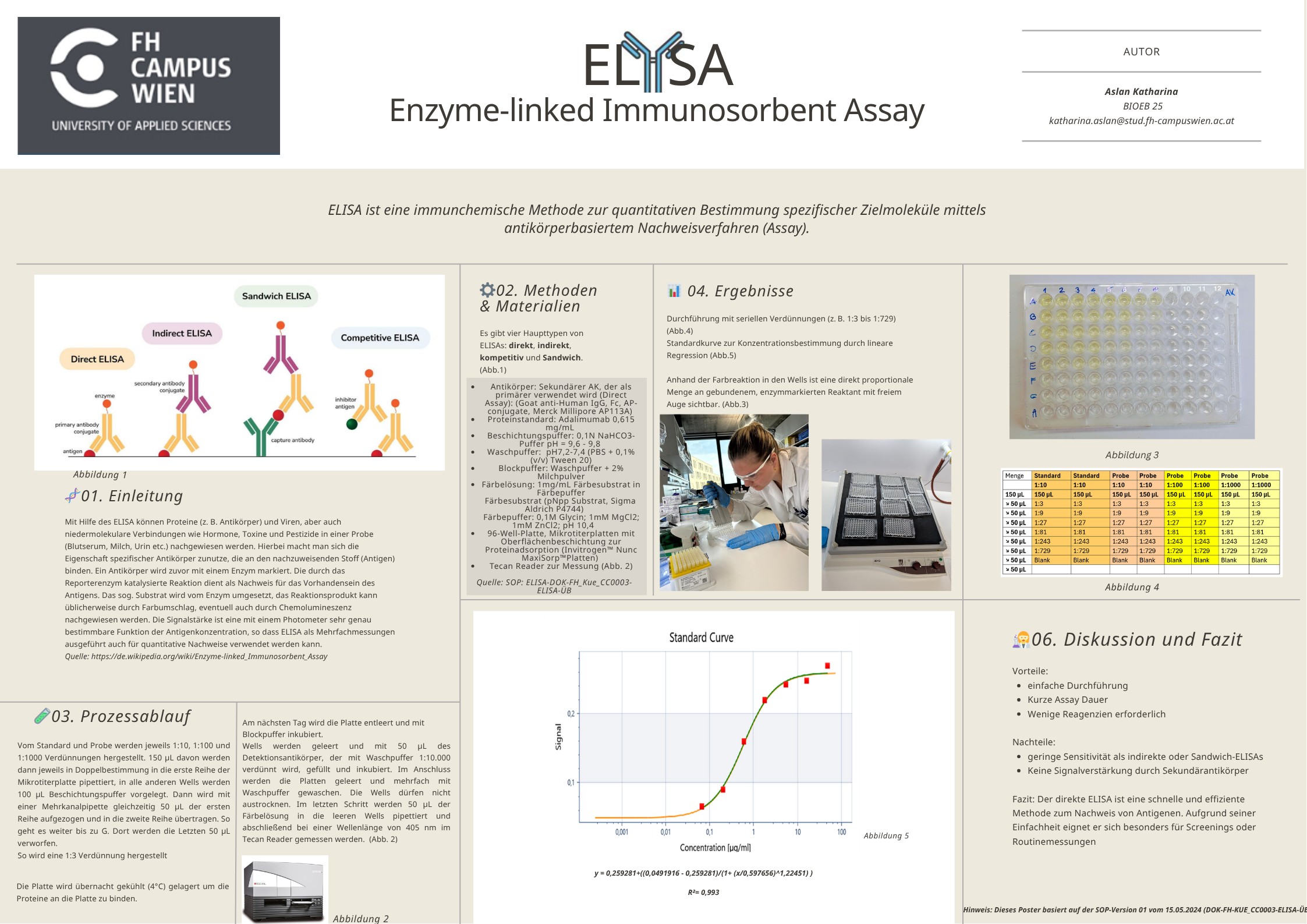
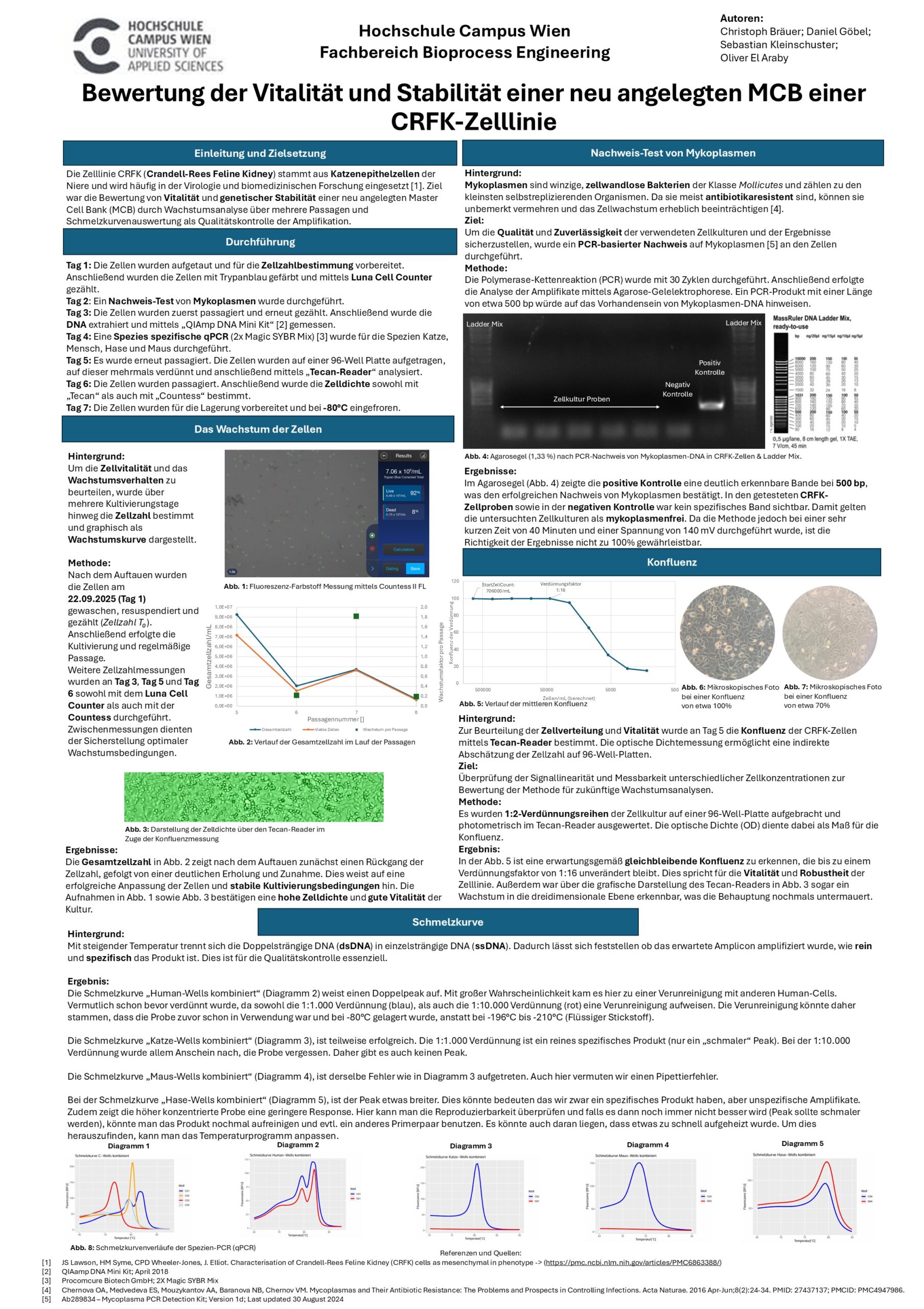
Master Cell Bank Characterization
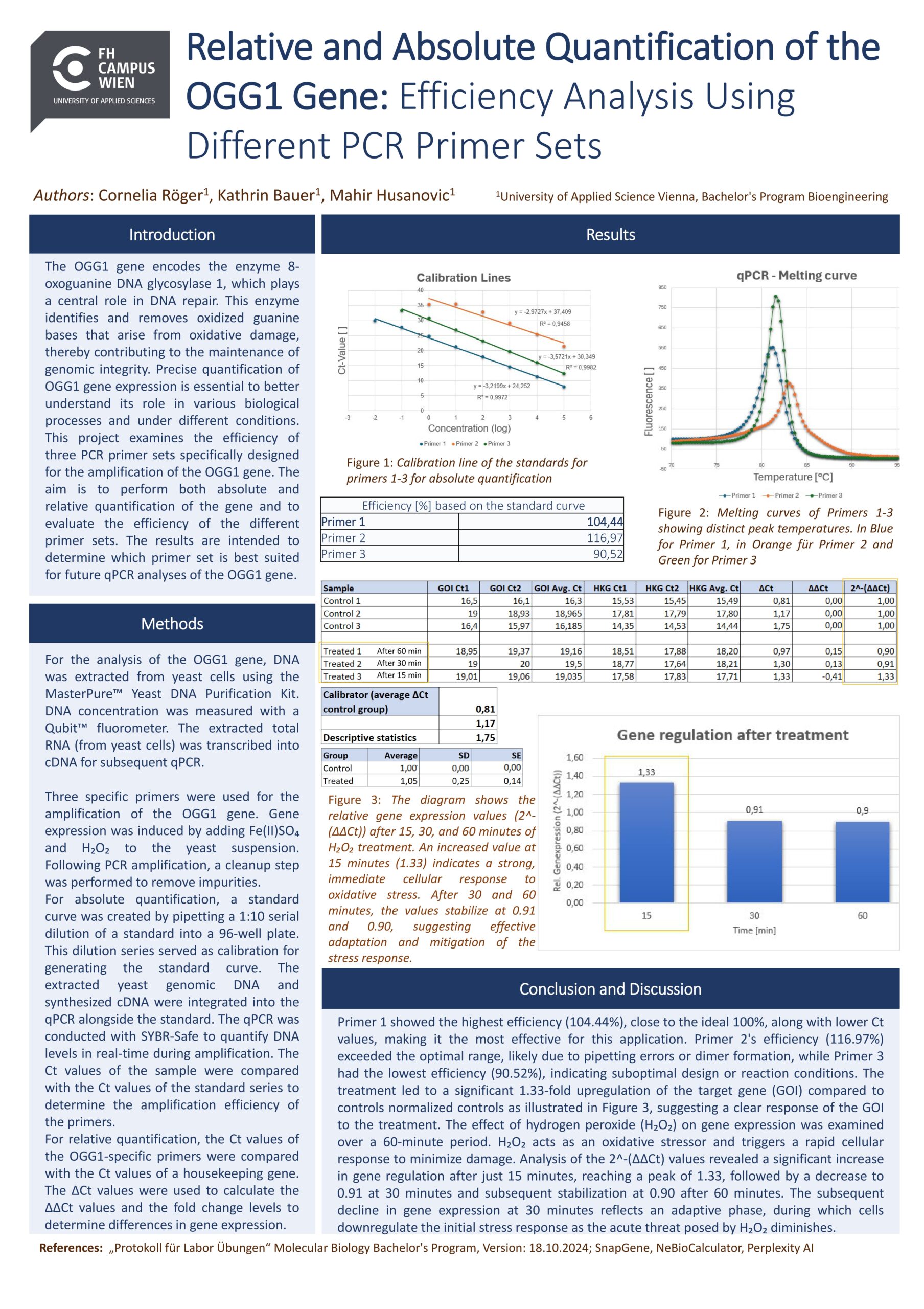
Molekularbiologie
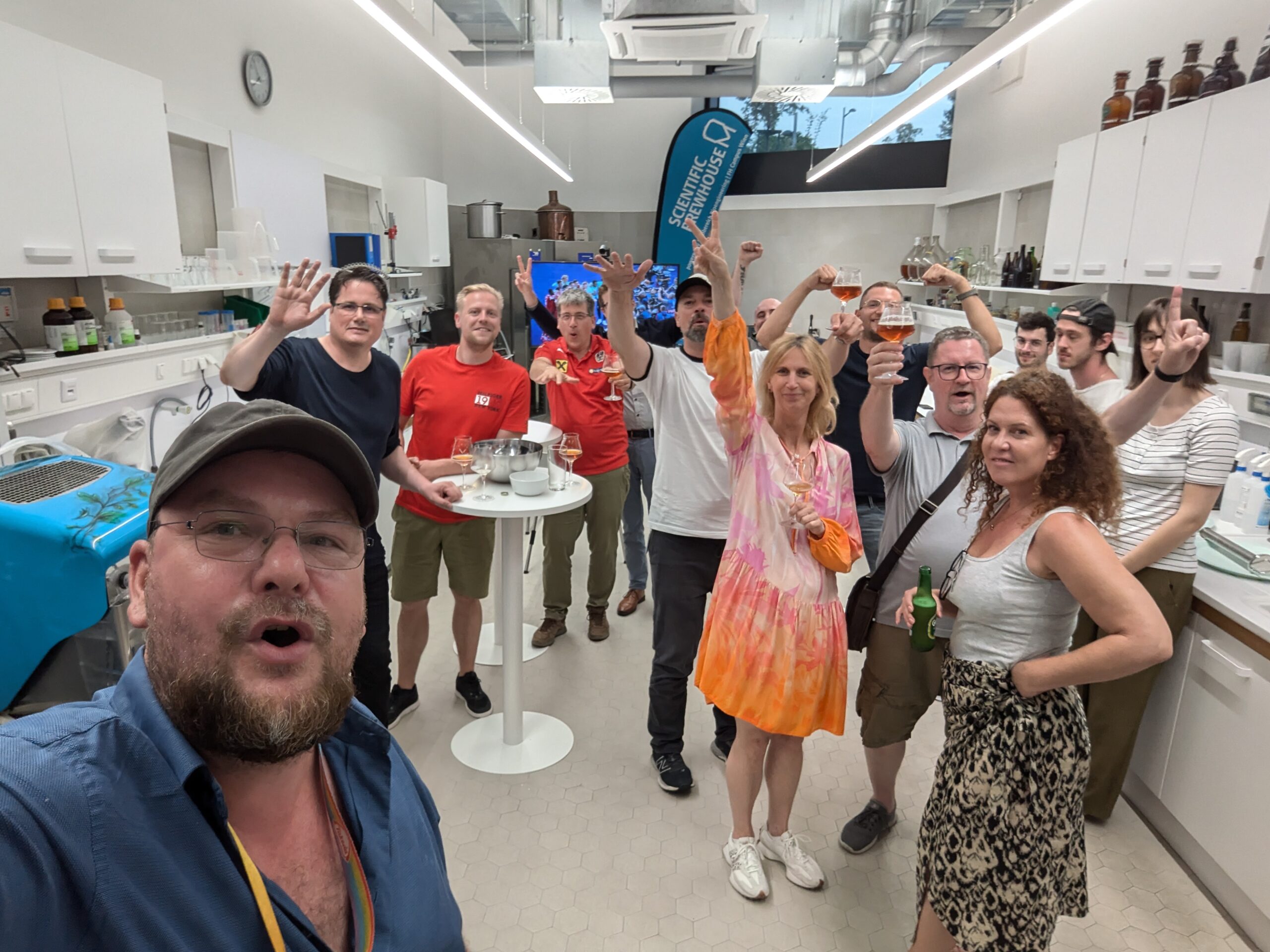
Fussball EM Schauen in der Brauerei
TEAM: