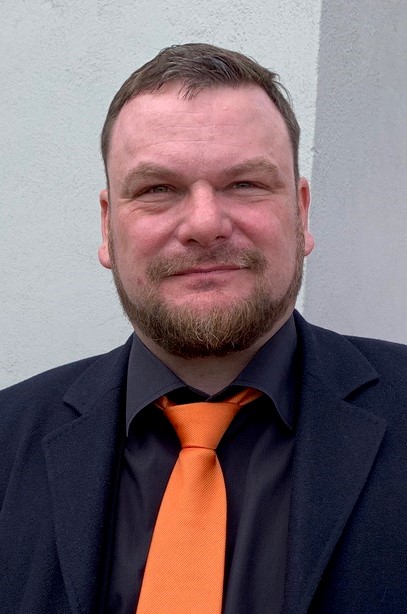
Ing. DI (FH) Dr. Harald Kühnel, MSc
Lehre und Forschung
harald.kuehnel@fh-campuswien.ac.at
+43 1 606 68 77-3603
+43 1 606 68 77-3609
Raum: E.3.04
Favoritenstraße 222
1100 Wien
Lebneslauf (CV):
Professional experience
ORCID ID: https://orcid.org/0000-0002-4780-8061
04.03.2019- now
FH-campus (Bioengineering)
Head of Lab, Lecturer full time, also involved in research and project lead in cooperation withcompanies. Further responsibilities bio process engineering, fermentation, cell-basedassays, bioanalytic, project management, supervision of lab staff and master students
https://www.linkedin.com/feed/hashtag/?keywords=fhcampuswienbioengineering
15.01.2018 –01.01.2019
Danube University Krems, center of regenerative medicine
Grant applications, Research projects dealing with blood products and their rejuvenation effects, development of a senolytic therapy for osteoarthritis, implant derived metal ions and development of cellular senescence. Publishing results.
01.11.2009 –01.12.2017
Shire (Baxalta, Baxter Bioscience) Specialty Therapeutics and Antibody Technology, Oncology, department Cell Biology and Gene Therapy
Development of a recombinant AB against MIF, involvement in the whole development of the AB from R&D and pre-clinic to clinic (phase 1 & 2) main responsible person for Biacore analyses.
Tasks: release testing, uncovering the mode of action, assay transfer and implementation, assay development, e.g. Participation in early development and pre-clinic of a gene therapy project.
2007-2009
University of natural resources, institute of applied microbiology (diplomaand doctoral thesis)
Screening experiments with micro-array-technology and related technologies. miRNAs incellular senescence. Invention of a new premature aging model (Polyphenol based) andimplemented several others like H2O2 induced and PUVA. Publishing results.
10.11.1997-31.10.2009
Veterinary university Vienna, Institute of Physiology
DNA-damage detection in cells and animal tissues with methods like HPLC and comet assay. Assay development and implementation. Publishing results.
02.01.1996-23.09.1997
Agency for food-safety
Routine analyses and method development (electrophoresis).
Education
2022-2022 WIFI Wien Lehrlings-Ausbilder
20021-2022 WIFI Wien Ausbildung zum Trainer für Erwachsenenbildung
2009-08.06.2017 Veterinary university Vienna, Institute of Physiology, Doctoral thesis (natural sciences)
„MicroRNAs as markers of cellular senescence”. (Supervision: Prof. Alois Strasser).
2010- 19.10.2012 FH-campus (Bioengineering), Master QM in biotechnology
Thesis: „Effects of isoflurane anesthesia on immune system and DNA integrity “. (supervision: Prof. Johannes Grillari)
2007- 07.07.2008 FH-campus, Certificate: Quality Manager
(supervision: Prof. Rudolf Bliem)
2004- 09.10.2008 FH-campus (Bioengineering), Bio-informatics
Thesis: „Micro RNAs in senescence and after PUVA treatment “. (supervision: Prof. Johannes Grillari) (2005, 2006, 2007 merit scholarship)
1989- 08.06.1994 HTL Rosensteingasse (Biochemistry, microbiology and genetics)
Teaching experience:
13.02.2016 – now FH-campus Bioengineering
lecturer bioanalytical methods molecular biology and cell biology and tutorials and seminars thereof
15.01.2018 –01.01.2019 Danube University Krems
Lecturer bioanalytical methods and genome editing
2007-2009 University of natural resources, institute of applied microbiology
Lab-Meetings und Institutsseminars
10.11.1997-31.10.2009 Veterinary university Vienna, Institute of Physiology
Tutor physiology tutorial Co-supervision of internships diploma and doctoral thesis
Awards:
gifted student award: (2005, 2006, 2007)
Diploma thesis: „Micro RNAs in senescence and after PUVA treatment “. (supervision: Prof. Johannes Grillari)
Master thesis: „Effects of isoflurane anesthesia on immune system and DNA integrity “. (supervision: Prof. Johannes Grillari)
Doctoral thesis „MicroRNAs as markers of cellular senescence”. (supervision: Prof. Alois Strasser).
Awarded in industry: Baxter research and development award
Zeitschriftenaufsatz
- Hackl, M., Brunner, S., Fortschegger, K., Schreiner, C., Micutkova, L., Mück, C., Laschober, G.T., Lepperdinger, G., Sampson, N., Berger, P., Herndler-Brandstetter, D., Wieser, M., Kühnel, H., Strasser, A., Rinnerthaler, M., Breitenbach, M., Mildner, M., Eckhart, L., Tschachler, E., Trost, A., Bauer, J.W., Papak, C., Trajanoski, Z., Scheideler, M., Grillari-Voglauer, R., Grubeck-Loebenstein, B., Jansen-Dürr, P. and Grillari, J. (2010), miR-17, miR-19b, miR-20a, and miR-106a are down-regulated in human aging. Aging Cell, 9: 291-296. https://doi.org/10.1111/j.1474-9726.2010.00549.x
- Dellago, H., Preschitz-Kammerhofer, B., Terlecki-Zaniewicz, L., Schreiner, C., Fortschegger, K., Chang, M.W.-.-F., Hackl, M., Monteforte, R., Kühnel, H., Schosserer, M., Gruber, F., Tschachler, E., Scheideler, M., Grillari-Voglauer, R., Grillari, J. and Wieser, M. (2013), High levels of oncomiR-21 contribute to the senescence-induced growth arrest in normal human cells and its knock-down increases the replicative lifespan. Aging Cell, 12: 446-458. https://doi.org/10.1111/acel.12069
- Reynoso RWieser MOjeda DBönisch M, Kühnel H Bolcic FQuendler H, Grillari JGrillari-Voglauer R, Quarleri J 2012. HIV-1 Induces Telomerase Activity in Monocyte-Derived Macrophages, Possibly Safeguarding One of Its Reservoirs. J Virol 86:. https://doi.org/10.1128/jvi.01495-12
- Michael Thiele, Randolf J. Kerschbaumer, Frederick W. K. Tam, Dirk Völkel, Patrice Douillard, Alexander Schinagl, Harald Kühnel, Jennifer Smith, John P. McDaid, Gurjeet Bhangal, Mei-Ching Yu, Charles D. Pusey, H. Terence Cook, Josef Kovarik, Erica Magelky, Atul Bhan, Manfred Rieger, Geert C. Mudde, Hartmut Ehrlich, Bernd Jilma, Herbert Tilg, Alexander Moschen, Cox Terhorst, Friedrich Scheiflinger; Selective Targeting of a Disease-Related Conformational Isoform of Macrophage Migration Inhibitory Factor Ameliorates Inflammatory Conditions. J Immunol 1 September 2015; 195 (5): 2343–2352. https://doi.org/10.4049/jimmunol.1500572
- Ablimit, A., Kühnel, H., Strasser, A. et al. Abnormal Savda syndrome: Long-term consequences of emotional and physical stress on endocrine and immune activities in an animal model. Chin. J. Integr. Med. 19, 603–609 (2013). https://doi.org/10.1007/s11655-012-1094-y
- Karl F.J. Metzger, Wolfgang Padutsch, Alexander Pekarsky, Julian Kopp, Alexei M. Voloshin, Harald Kühnel, Michael Maurer, IGF1 inclusion bodies: A QbD based process approach for efficient USP as well as early DSP unit operations, Journal of Biotechnology, Volume 312, 2020, Pages 23-34, ISSN 0168-1656, https://doi.org/10.1016/j.jbiotec.2020.02.014.
- Kühnel, H., Adilijiang, A., Dadak, A. et al. Investigations into cytotoxic effects of the herbal preparation Abnormal Savda Munziq. Chin. J. Integr. Med. (2015). https://doi.org/10.1007/s11655-015-2132-3
- A. Strasser, H. Kühnel, K. Velde, A. Dadak, Immunomodulation during and after castration under inhalation anaesthetic without genotoxic effects on equine lymphocytes, Research in Veterinary Science, Volume 92, Issue 2, 2012, Pages 306-310, ISSN 0034-5288, https://doi.org/10.1016/j.rvsc.2011.01.021.
- Metzger KFJ, Voloshin A, Schillinger H, Kühnel H, Maurer M. Adsorptive filtration: A case study for early impurity reduction in an Escherichia coli production process. Biotechnol Progress. 2020; 36:e2948. https://doi.org/10.1002/btpr.2948
- Ebrahimian, A.; Schalk, M.; Dürkop, M.; Maurer, M.; Bliem, R.; Kühnel, H. Seed Train Optimization in Microcarrier-Based Cell Culture Post In Situ Cell Detachment through Scale-Down Hybrid Modeling. Bioengineering 2024, 11, 268. https://doi.org/10.3390/bioengineering11030268
- Paul, M.; Pollhammer, D.; Mehofer, C.; Oberpertinger, R.; Kühnel, H.; Wellenzohn, M. Inkjet-Printed Split Ring Resonators for the Detection of Analyte Binding to a Gold Surface. Proceedings 2024, 97, 123. https://doi.org/10.3390/proceedings2024097123
- Kühnel, H.; Pasztorek, M.; Kuten-Pella, O.; Kramer, K.; Bauer, C.; Lacza, Z.; Nehrer, S. Effects of Blood-Derived Products on Cellular Senescence and Inflammatory Response: A Study on Skin Rejuvenation. Curr. Issues Mol. Biol. 2024, 46, 1865-1885. https://doi.org/10.3390/cimb46030122
- Ebrahimian, A.; Schalk, M.; Dürkop, M.; Maurer, M.; Bliem, R.; Kühnel, H. Parameter Optimization and Capacitance-Based Monitoring of In Situ Cell Detachment in Microcarrier Cultures. Processes 2024, 12, 1887. https://doi.org/10.3390/pr12091887
- Imb, M.; Véghelyi, Z.; Maurer, M.; Kühnel, H. Exploring Senolytic and Senomorphic Properties of Medicinal Plants for Anti-Aging Therapies. Int. J. Mol. Sci. 2024, 25, 10419. https://doi.org/10.3390/ijms251910419
- Paul, M.; Kühnel, H.; Oberpertinger, R.; Mehofer, C.; Pollhammer, D.; Wellenzohn, M. Two-Layer Inkjet-Printed Microwave Split-Ring Resonators for Detecting Analyte Binding to the Gold Surface. Sensors 2024, 24, 1688. https://doi.org/10.3390/s24051688
- Kühnel, H.; Seiler, M.; Feldhofer, B.; Ebrahimian, A.; Maurer, M. Ganoderma lucidum Extract Modulates Gene Expression Profiles Associated with Antioxidant Defense, Cytoprotection, and Senescence in Human Dermal Fibroblasts: Investigation of Quantitative Gene Expression by qPCR. Curr. Issues Mol. Biol. 2025, 47, 130. https://doi.org/10.3390/cimb47020130
- Schenzle, L., Egger, K., Spangl, B. et al. Low-cost food-grade alternatives for serum albumins in FBS-free cell culture media. Sci Rep 15, 15296 (2025). https://doi.org/10.1038/s41598-025-99603-7
Diplomarbeit / Doktorarbeit
- Kühnel, H (2017): MiRNAs as markers of cellular senescence, Doktorarbeit, Veterinärmedizinische Universität Wien pp. 63.
- Kühnel, H (2012): Effects of isoflurane anesthesia on immune system and DNA integrity. Diplomarbeit, FH-Campus Wien, pp. 52.
- Kühnel, H (2008): miRNAs in senescence and after PUVA treatment. Diplomarbeit, BOKU Wien, FH Bioengineering; Vet.med Univ. Wien, pp. 83.
Vortrag
- Strasser, A; Kühnel, H; Velde, K; Dadak, AM (2010): Changes in equine lymphocytes due to inhalation anaesthesia and/or surgery. Journal of the Mongolian Veterinary Medical Association (93) 16-17.
- Strasser, A; Kühnel, H; Marik, G; Schmerold, I (2007): A cell culture model for the detection of chemical or physical agents with potential pro- or antioxidative properties using 8-hydroxy-2´-deoxyguanosine in cellular DNA as toxicological endpoint. ALTEX (24) 229-229.
Poster
- Andrea Haid; Nicole Kosa, Lukas Herzog, Michael Maurer; Kühnel Harald; Microcarrier based platform process for adherend cells to produce extracellular vesicles ISEV2025 Vienna
- Atefeh Ebrahimian, Lukas Herzog, Mona Kandel, Mona Schalk, Melanie Pfitzner, Veronika Wimmer, Christoph Mehofer, Laurentius Orsolic, Michael Maurer, Markus Wellenzohn, Bernhard Dürschmied, Christiane Gebhard, Harald Kühnel, “Scalable Isolation and Characterization of Milk-Derived Extracellular Vesicles for Therapeutic Applications”, ASEV CZESEV Meeting; Vienna 2024
- Harald Kühnel; Atefeh Ebrahimian; Lukas Herzog; “Setting up large scale production of exosomes” Small New World 2.0; 4-5 September 2023
- Harald Kühnel, Markus Pasztorek, Olga Kuten, Christoph Bauer, Daniela Kern, Eva Roßmanith, Michael Bernhard Fischer, Zsombor Lacza, Stefan Nehrer; Influence of blood products and metal ions on cellular senescence in skin and cartilage (preliminary data and outlook) Opening Core Facility Krems
- Hackl, M; Brunner, S; Fortschegger, K; Schreiner, C; Micutkova, L; Mück, C; Laschober, G; Lepperdinger, G; Sampson, N; Berger, P; Herndler-Brandstätter, D; Wieser, M; Kühnel, H; Strasser, A; Breitenbach, M; Rinnerthaler, M; Eckhard, L; Tschachler, E; Papak, C; Scheideler, M; Trajanoski, Z; Grillari-Voglauer, R; Grubeck-Loebenstein, B; Jansen-Dürr, P; Grillari, J; (2009): Downregulation of miR-17 and miR-19b in replicative and chronological human cell aging Biomarkers of Ageing from Molecular Biology to Clinical Perspective; Sept 18 – 20 2009 ; Martin-Luther-University Halle-Wittenberg, Germany . 2009.
- Kühnel, H; Strasser, A; Wieser, M; Scheideler, M; Trajanoski, Z; Grillari, R; Grillari, J; (2009): Small but mighty: MicroRNAs as novel regulators of cell aging. Neujahrsempfang Vet. Med.; JAN 23, 2009; Vienna, AUSTRIA. 2009.
- Reynoso, R; Wieser, M; Bolcic, F; Sabatté, J; Kühnel, H; Salomón, H; Grillari, J; Katinger, H; Grillari-Voglauer, R; Quarleri, J (2009): HIV-1 induces telomerase activity in macrophages. Jahrestagung der ÖGMBT; SEPT 21 – 23, 2009; Medizinische Universität Innsbruck. 2009.
- Strasser A, Kühnel H, Marik G, Schmerold I (2008): Assessment of DNA oxidation by nitroheterocyclic compounds using cultured YAC-1 Cells. ALTEX (25), Supp 66-67.
Würdigung der techischen Mitarbeit
- Low dose magnetic fields do not cause oxidative DNA damage in human placental cotyledons in vitro. Lopucki M, Schmerold I, Dadak A, Wiktor H, Niedermüller H, Kankofer M. Virchows Arch. 2005 Jun;446(6):634-9. Epub 2005 Apr 19.
- Oxidative DNA damage in placentas from normal and pre-eclamptic pregnancies. Wiktor H, Kankofer M, Schmerold I, Dadak A, Lopucki M, Niedermüller H. Virchows Arch. 2004 Jul;445(1):74-8. Epub 2004 May 5.
- Spontaneous oxidative DNA damage in bovine retained and nonretained placental membranes. Kankofe M, Schmerold I. Theriogenology. 2002 Apr 15;57(7):1929-38.
- Levels of 8-hydroxy-2′-deoxyguanosine in cellular DNA from 12 tissues of young and old Sprague-Dawley rats. Schmerold I, Niedermüller H. Exp Gerontol. 2001 Aug; 36 (8):1375-86.
Technische Mitarbeit
- Neutralization of macrophage migration inhibitory factor (MIF) by fully human antibodies correlates with their specificity for the β-sheet structure of MIF. Kerschbaumer RJ, Rieger M, Völkel D, Le Roy D, Roger T, Garbaraviciene J, Boehncke WH, Müllberg J, Hoet RM, Wood CR, Antoine G, Thiele M, Savidis-Dacho H, Dockal M, Ehrlich H, Calandra T, Scheiflinger F. J Biol Chem. 2012 Mar 2;287(10):7446-55. Epub 2012 Jan 11.
Projektanträge
- Österreichische Nationalbank CELLULAR SENESCENCE THE ACHILLES‘ HEEL OF OSTEOARTHRITIS? 2018 (nicht gefördert)
- Industrie – Auftragsforschung (ca 120.000,- €) 2019 GEFÖRDERT
- FFG-Infrastructure „Centre of innovative test development at the Science City of FH-Campus Wien (CITD)“ total costs 2.373.502,- € 2019 (nicht gefördert)
- ACIB-Industriekooperation (Gesamtvolumen 872.291,- €) 2020 GEFÖRDERT
- ACIB-Industriekooperation (Gesamtvolumen in etwa Gesamtvolumen 880.000,- €) 2023 GEFÖRDERT
- Forschung an den Wiener Fachhochschulen – Call 30 Kategorie: Forschungsinfrastruktur „Plattform zur Entwicklung von biotechnologischen Anwendungen Laufzeit: 1.8.2021-31.7.2026 total costs 218.043,96 € (nicht gefördert)
- Nationaler Partner in FWF Projekt Dynamic cell wall architecture in TRICHODERMA mycoparasitism,GEFÖRDERT
- Qualitätssicherung der Lehre an den Wiener Fachhochschulen– Call 32 Infrastruktur für Lehre Digitalisierung in der Bioverfahrenstechnik- Digital Twin in Verbindung mit realen Bioreaktoren für eine qualitativ hochwertige Ausbildung in der Bioverfahrenstechnik (QualiDigiFerm) Laufzeit des Projektes Beginn: 1.10.2022 Ende: 31.7.2027 GEFÖRDERT
- MA 23 Ausschreibung Call-Nr. 38 – Digitalisierung aus inter- und transdisziplinärer Sicht „Digitale Prozess Optimierung der Produktion von extrazellulären Vesikeln aus immortalisierten mesenchymalen Stammzellen und deren Analyse durch eine künstliche Intelligenz (EV2Digi)“ Projektlaufzeit: 01.09.2024 – 31.08.2027 (nicht gefördert)
- Hochschuljubiläumsfond – „Milch extrazelluläre Vesikel mittels kontinuierlicher Ultra Zentrifugation in industriell bedeutsamen Mengen herstellen (MilkyEV)“ 2024 (Gesamtvolumen 6300,- €) GEFÖRDERT
- ACIB-Industriekooperation (Gesamtvolumen in etwa Gesamtvolumen 1.100.000, – €) 2025 GEFÖRDERT.
Arbeitgeber und erlernte Techniken
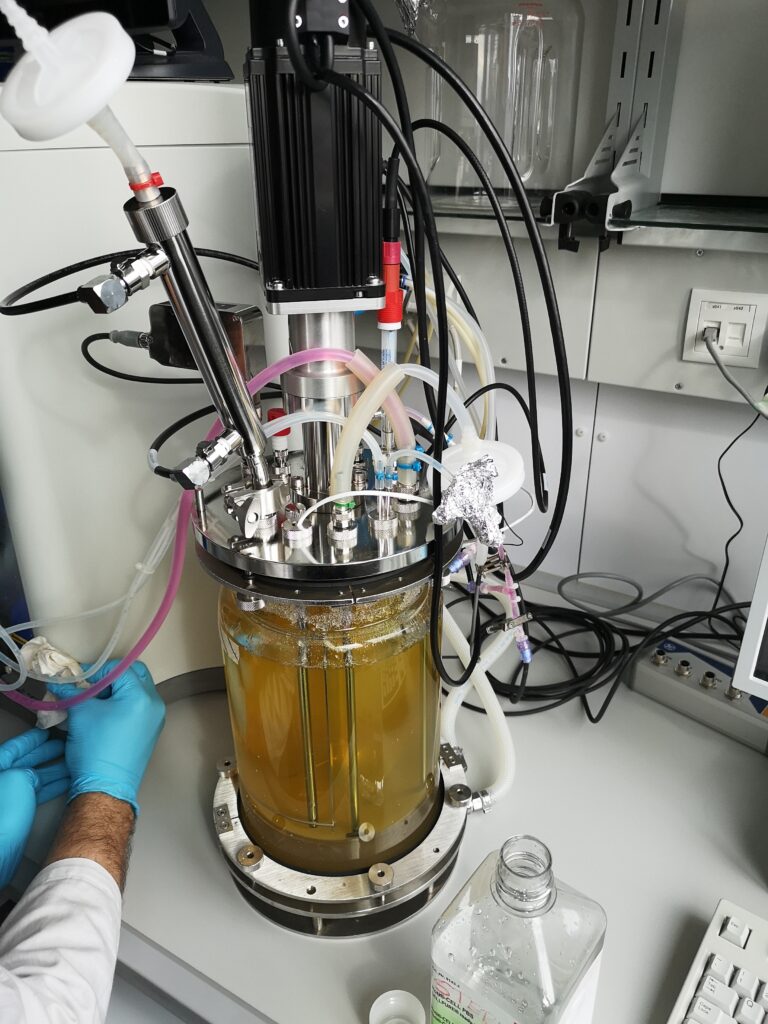
FH-Campus Wien Arbeiten mit Microcarriern, Molekularbiologie e. coli, Hefen und Säugetier Zellen, Fermentationen, HPLC (Thermo), Toxizitäts Tesungen, Sequenzierung mittels Oxford Nanopore, …..
Donau Universität Krems Flow Cytometrie, XTT Assays, Casp 3/7 Assays, Fluoreszenzmiroskopie, IC, SA-ß-Gal staining, qPCR, ….
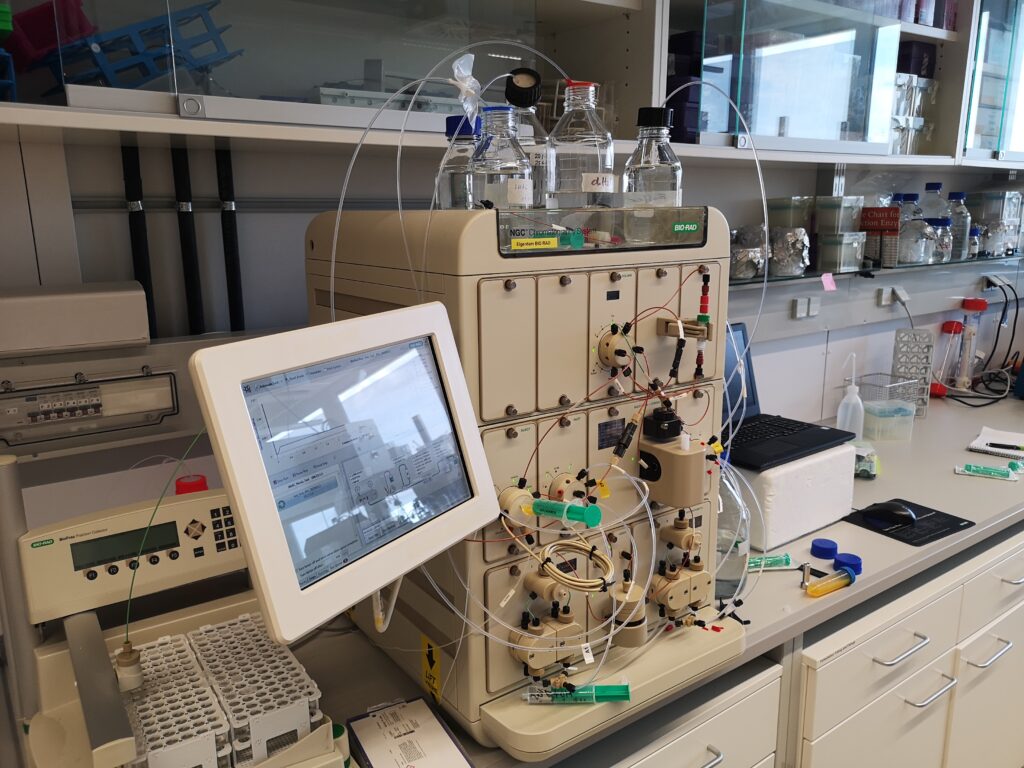
Shire (Baxalta, Baxter Bioscience) Proteinanalytik und Aufreinigung: Expression von Proteinen in Bakterien, Proteinextraktionen, 2D Elektrophorese, Western Blot Analysen, Immuno (und Co-Immuno) Präzipitation, ELISA, SPR (Biacore), Protein-Aktivitäts-Assays, (IC, SEC, RP, Affinitäts)-FPLC (Äkta) und HPLC (floureszenz und PDA-Detektion) (chemStation) Zellkultur: Gewinnung von primären Zellen, Chemotaxis-assays, Xcelligence, Floureszenzmikroskopie, IHC, Definiens
Tissue Studio®, FACS-Analysen Virologie: rcAAV-assay, DNA-Extraktionen, q-PCR-Analysen, molekularbiologische Arbeiten (PCR, Elektrophoresen, …), IHC, Extraktion und Analyse von Exosomen, durchführen von release Testungen, ….
Universität für Bodenkultur Zellkultur (Zelllinien und primäre Zellkultur), q-PCR, TaqMan Analysen, microArray Analysen, Bioanalyzer, Elektrophorese-Techniken, Färbetechniken
Veterinärmedizinische Universität Wien Methoden, Assay-Implementierung und Entwicklung, RP-HPLC-Analysen (ECD und PDA-Detektion (Waters)), UV/Vis-Spektroskopie, Extraktion von DNA/ RNA mittels verschiedener Techniken aus Geweben und Zellen.
Proteinbestimmungen, Zellkultur (Zelllinien und primäre Zellkultur), Einzelzellen-Elektrophorese (Comet-Assay), computerunterstützte statistische Auswertung von Analyseergebnissen und Versuchsreihen, Proliferations-Assays (Thymidin Einbau), Instandhaltung der Laborgeräte, wissenschaftliche Literatursuche, Labor Organisation
Bundesanstalt für Lebensmitteluntersuchung Wien Analyse der Zusammensetzung von Wurstwaren mittels Elisa, Ochratoxin A Nachweis in Kaffee und Mehlproben mittels Elisa, Radiale Immundiffusion, Disk SDS-PAGE von Käseproben zur Bestimmung der Zusammensetzung (qualitativ und quantitativ), Iso-elektrische Fokussierung
Web Pages:
https://www.researchgate.net/profile/Harald_Kuehnel
https://scholar.google.at/citations?user=dmk0xUkAAAAJ&hl=de
https://www.linkedin.com/in/harald-k-848b165b/
https://orcid.org/0000-0002-4780-8061
Sonstiges:
Programmiersprachen: Grundkenntnisse von Perl, Java, C, mySQL
Software: GraphPadPrism, Minitab, SPSS, Excell, Word, Powerpoint,
Kurse und Fortbildungen:
Genome Editing und NGS (Lab Academy), Flow Cytometrie Kurs (AKH Wien) – Basiskurs Molekularbiologie (Elsevier GmbH Spektrum Akademischer Verlag) – PCR Basis und Fortgeschrittenenkurs, RT-PCR Kurs (Eppendorf) – qPCR-Kurs (Biorad)- Biacore Schulungen (GE-healthcare) – HPLC (Agilent chem-station und Waters Empower und Millenium) – Floureszenzmikroskopie (Olympus); Definiens Tissue Studio® Training
Sonstige Erfahrungen: HTL Spengergasse (Abendschule) 3 Semester (Informatik), Studium Universität Wien: Genetik 3 Semester, Lebens und Sozialberater (Systemische Therapie) 2 Semester, Universität für Bodenkultur Master Biotechnologie 1 Semester NLP-Seminare.
Privat: Jugendsport: Handball (Vizestaatsmeister und Staatsmeister)
Freizeit: geprüfter Barista, Wandern, Lesen,
Beispiele für Master und Bachelor Arbeiten im FH-Labor von mir betreut:
Zsolt Véghelyi (Verfasser der Diplomarbeit und des folgenden Abstracts )
„Cellular senescence and polyphenols“
“Natural compounds in senolytic therapy”
Abstract
Since human’s average lifespan gets higher, we observe various age-related diseases that need to be cured. Some of them are associated to senescent cells accumulating in our tissues with age. Senescent cells differ from proliferating cells by numerous inherent properties such as secretion of inflammatory signals, resistance to certain apoptosis pathways or accumulation of damaged proteins. Protein homeostasis is important for a cell and accumulation of damaged proteins can induce apoptosis by unfolded protein response. This leads to the hypothesis that the inhibition of the proteasome, or chaperones involved in protein homeostasis, are potential targets to remove senescent cells selectively. Hsp90 inhibitors have been recently discovered as a new class of senolytics. Some of them are naturally occurring polyphenols such as quercetin. Several other natural compounds, as a potential treatment for age related diseases, are also in focus of current research. Green Tea is rich in polyphenols and its antioxidant properties are reported to have health beneficial effects, suggesting it to be a potential candidate in senotherapy. We hypothesized that natural polyphenolic extracts could have a beneficial add-on effect to classic senotherapy. To investigate the effects of polyphenols, in combination with the established drugs 17´DMAG, Bortezomib and Tunicamycin, a model organism is needed. We used Human Dermal Fibroblasts HDF164 as a model organism and two different ways of senescence induction were performed (i.e., Etoposide and CuSO4). Dose response studies were performed to evaluate the cytotoxic effects of the drugs. Senolytic effects were tested in dose response studies and by performing combination treatments in multi-well plates followed by SA-ß-Gal staining. Also, the effects of the treatments on the cells secretome and the protein ubiquitination were investigated. Senescence induction by either Etoposide or CuSO4 leads to senescent cells which distinguish in their percentage of SA-ß-Gal positive cells as well as in their SASP levels. We found that the senolytic 17´DMAG is inhibited by green tea extract in combination treatments. Senolytic properties of Quercetin could not be verified in our models. A combination of green tea and Tunicamycin seems to have beneficial effects on SASP levels. The results indicate that the combination of natural compounds and established drugs show interactions that may have negative therapeutic effects. These interaction effects should therefore be considered during the therapy. The need for reliable senotherapeutics is clearly present and will increase over the next years.
Entwicklung einer Methode zur Überwachung des Zustands von Zellen in Microcarrier-basierenden Bioprozessen
Bachelorstudent: Leon König
Die Kultivierung von adhärenten tierischen Zellkulturen erfolgt meist als Monolayerkulturen in Rollerflaschen oder auf sphärischen Partikeln, den Microcarriern. Die Bestimmung von Zuständen, wie der Viabilität oder Apoptoserate dieser Zellen stellt dabei eine herausfordernde Aufgabe dar und kann nicht mit üblichen Methoden wie einer Trypanblaufärbung durchgeführt werden. Um diese Zustände einer lebenden Kultur bestimmen zu können werden in dieser Arbeit verschiedene Fluoreszenzfarbstoffe verwendet. Die Fluoreszenzfarbstoffe sind in der Lage Zellen mit bestimmten Eigenschaften anzufärben. Zur Informationserfassung von Zellen, die auf Microcarriern wachsen werden Aufnahmen mit einem Fluoreszenzmikroskop gemacht. Die anschließende automatisierte Zellzählung wird mit dem kostenlosen Bildbearbeitungsprogramm mit ImageJ durchgeführt. Es werden die Vorteile und Nachteile einiger gängiger Fluoreszenzfarbstoffe besprochen und ein geeignetes Färbeprotokoll entwickelt für die Färbung von Zellen in Suspension und auf Microcarriern. Für die Auswertung mit Image wurden viele verschiedenen Messeinstellungen getestet, für die Entwicklung einer schnellen, automatischen und zuverlässigen Zählmethode.
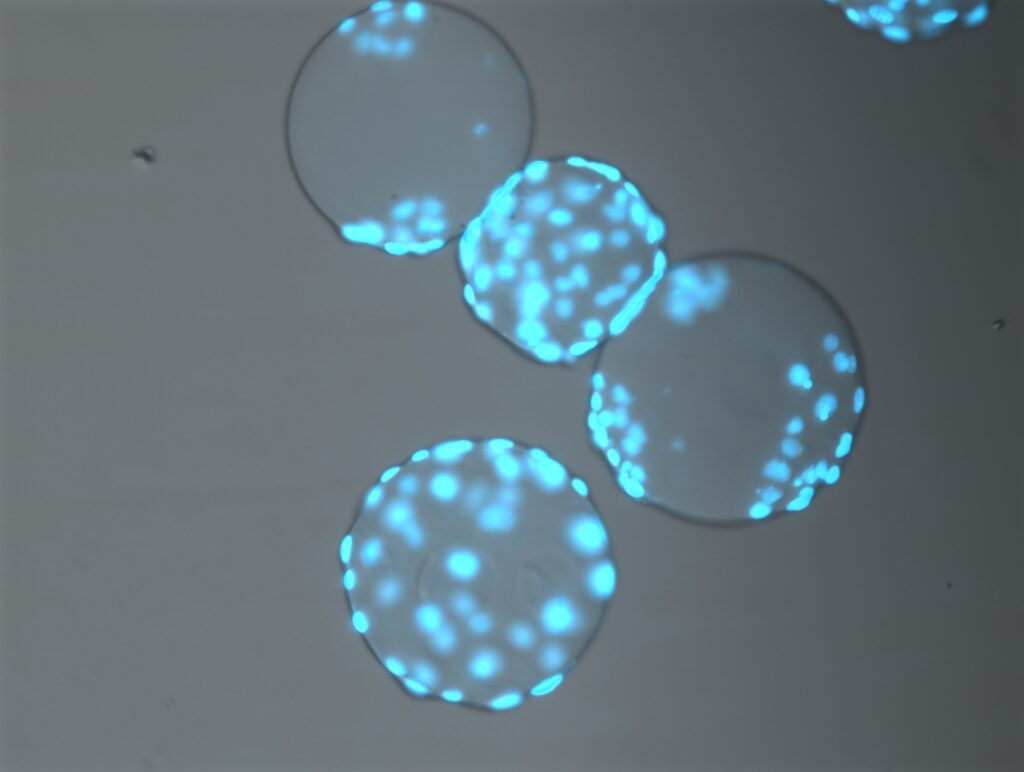
The cultivation of adherent mammalian cell cultures mostly happens as monolayer cultures in roller bottles or cultivated on spherical particles, the microcarrier. The accurate determination of different states of these cells like viability or apoptotic rate is a challenging task and cannot be performed by common methods like trypanblue staining. In order to determine these states of cells, this work will make use of various fluorescent dyes. These dyes are capable of staining cells according to certain properties. For the acquisition of these information of cells growing on microcarriers, we will take pictures with a fluorescence microscope. The subsequent automated cell counting will be performed with the complimentary image processing program ImageJ. We discuss advantages and disadvantages of common fluorescent dyes and try to develop an appropriate protocol to stain cells in suspension and on microcarriers. For
the analysis with ImageJ, we test a great number of different settings to develop a fast, automatic und reliable counting method.
Investigation of adverse herb-drug-interac-tions and influence of concurrent admin-istration of exosomes on the chemothera-peutic effect of 5-fluorouracil
Vorgelegt von:
Mona Schalk
Cancer diseases are a major public health problem with a high global disease burden. Established human in vitro cancer cell lines are an important research tool for studying disease mechanisms and response to therapeutic agents. Plant-derived phytochemicals have a potential for adjuvant tumour suppressive effects, including the clearance of senescent cells following therapy induced senescence, but also a risk of adverse interactions blocking therapeutic effects. The incorporation of exosomes in cancer treatment strategies is investigated both as drug delivery platform and as therapeutic agents themselves, but special attention has to be paid to exosomes’ complex involvement in both physio-logical processes and pathological processes which promote tumour progression.
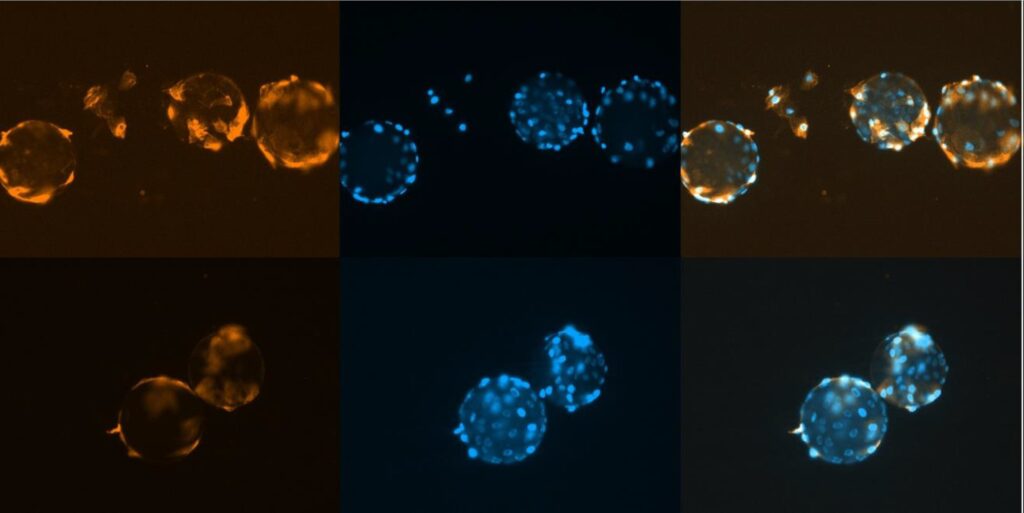
In the present study, the influence of phytochemical treatments and exosome concentrates on the effect of 5-fluorouracil on the in vitro cancer cell lines CaCo-2 and PANC-1 was investigated. Cham-omile extract and Sutherlandia frutescens extract were included as phytochemical treatments. The effect of milk-derived exosomes and cancer cell-derived exosomes was assessed in comparison. Central findings include a dose-dependent antiproliferative effect of milk-derived exosomes quanti-fied as a reduction of in vitro cancer cell viability by >20% after concomitant 5-fluorouracil treatment, and a contrary effect of cancer cell-derived exosomes increasing viability of 5-fluorouracil-treated cells by up to 44%. Among the plant extracts, a cytotoxic effect of chamomile extract at concentra-tions over 5 g/L was observed. An attempt was made to induce senescence by treatment with sub-lethal doses of 5-fluorouracil to assess the response of senescent cells opposed to growing cells. Confirmation of senescence failed, raising questions about the reliability and limitations of the applied methods on one hand, and the potential of 5-fluorouracil to induce senescence on the other. IL-6 production in response to chamomile and Sutherlandia extracts was examined. While no IL-6 secre-tion was detected after phytochemical treatment of non-senescent cells, after chemotherapeutic treatment for senescence induction the highest concentration of 3.0 pg/mL IL-6 was secreted by PANC-1 cells in response to chamomile treatment following 16 μM 5-fluorouracil treatment. For CaCo-2 cells, IL-6 response was strongest in the positive control group for senescence treated with 50 μM etoposide.
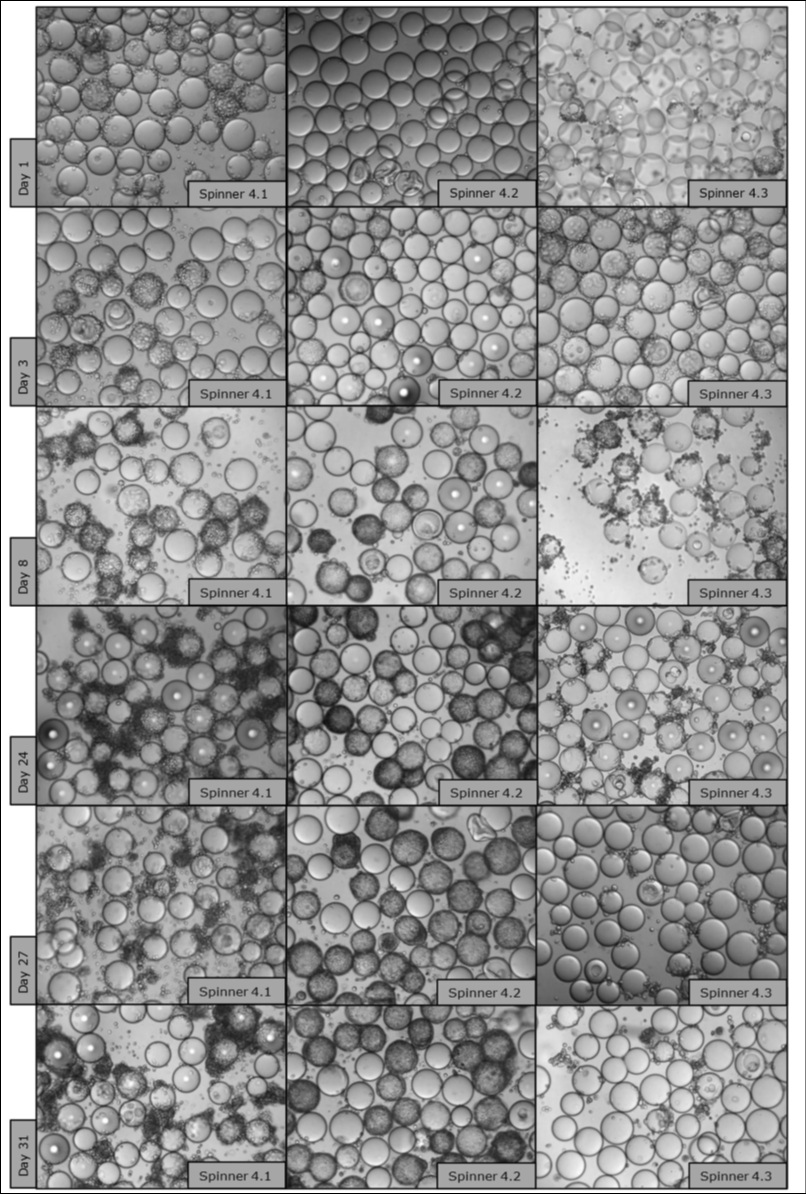
Furthermore, a small-scale 3D cultivation of CaCo-2 and PANC-1 cells on Cytodex 1 microcarriers in spinner flasks could be established. CaCo-2 cell attachment to microcarrier beads was slower with a longer lag phase but stronger than for PANC-1 cells, which showed signs of strong cell growth despite an imperfect attachment in the spinner flasks. This 3D cultivation was instrumental in the harvest of sufficient quantities of cancer cell-derived exosomes for use in the experiments investigating their interaction with 5-fluorouracil treatment.
In conclusion, interesting results could be obtained confirming the origin-specific proposed tumour suppressive activity of milk-derived exosomes as well as the antiproliferative potential of chamomile and Sutherlandia products, which support the relevance of further investigation of these agents. The small-scale 3D cultivation of CaCo-2 and PANC-1 cells holds promise for further applications including adaptation for CaCo-2 cell-based permeability assays.
Impressionen aus dem Labor:
Projekte im Labor (Praktika,….)
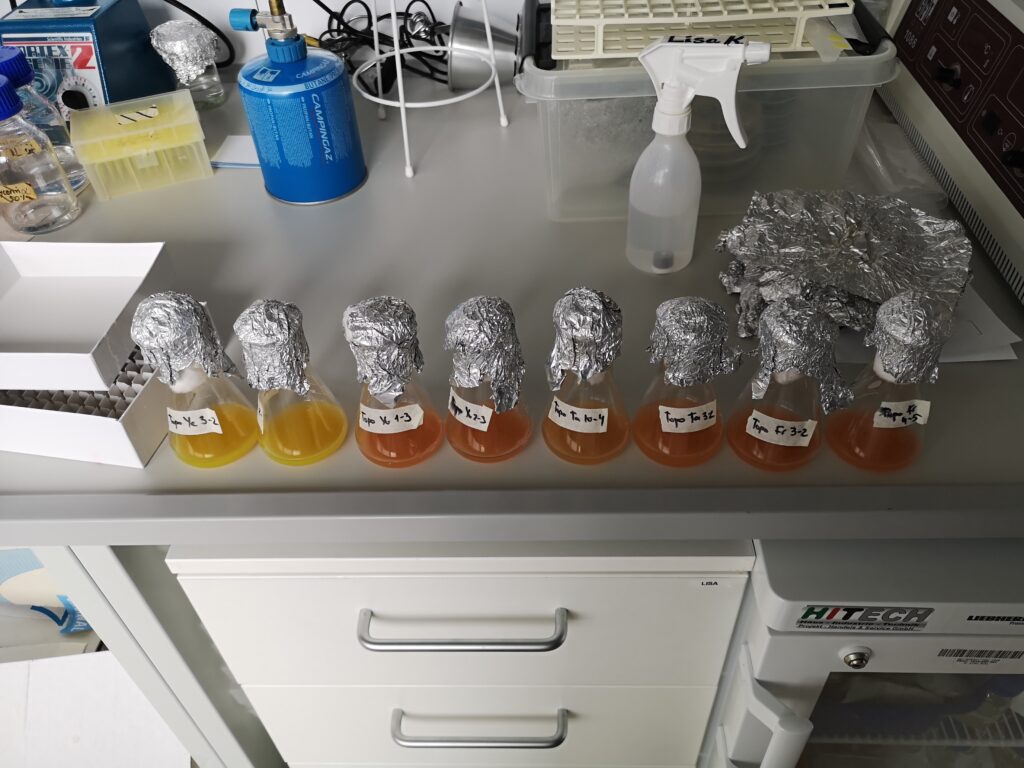
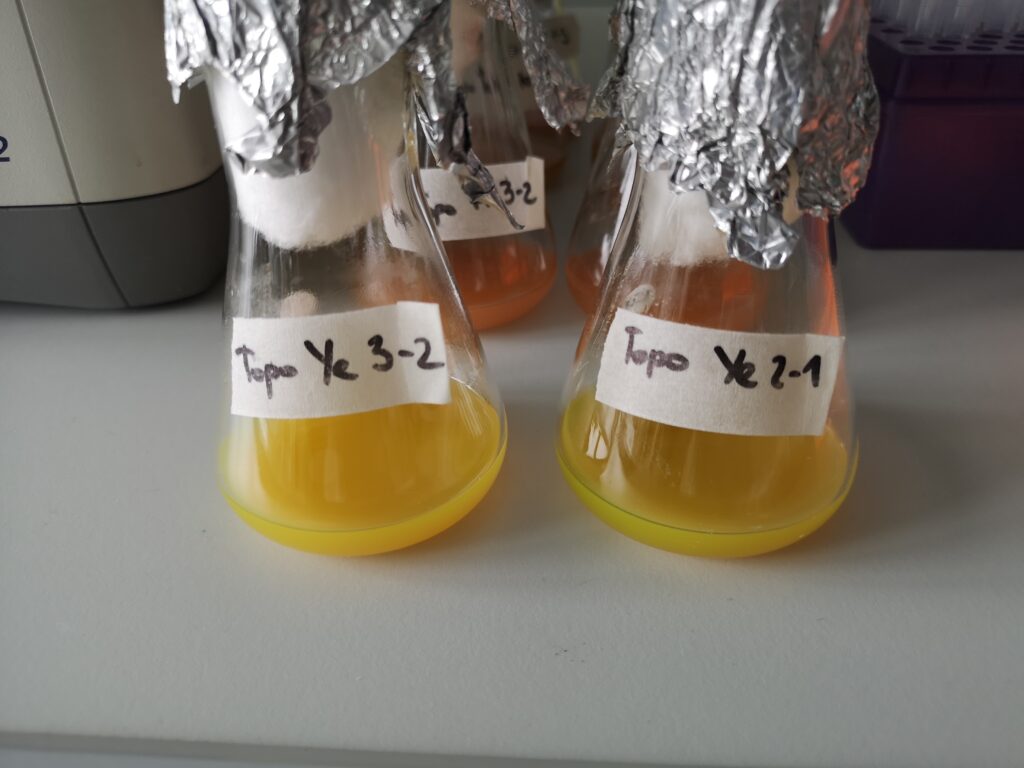
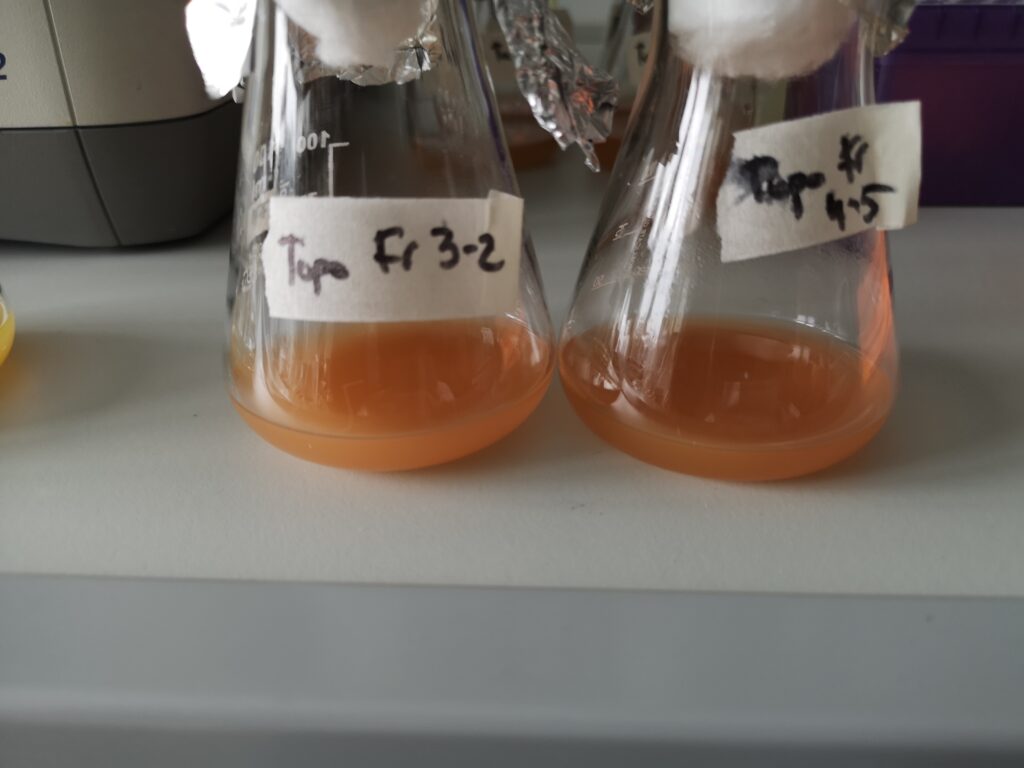
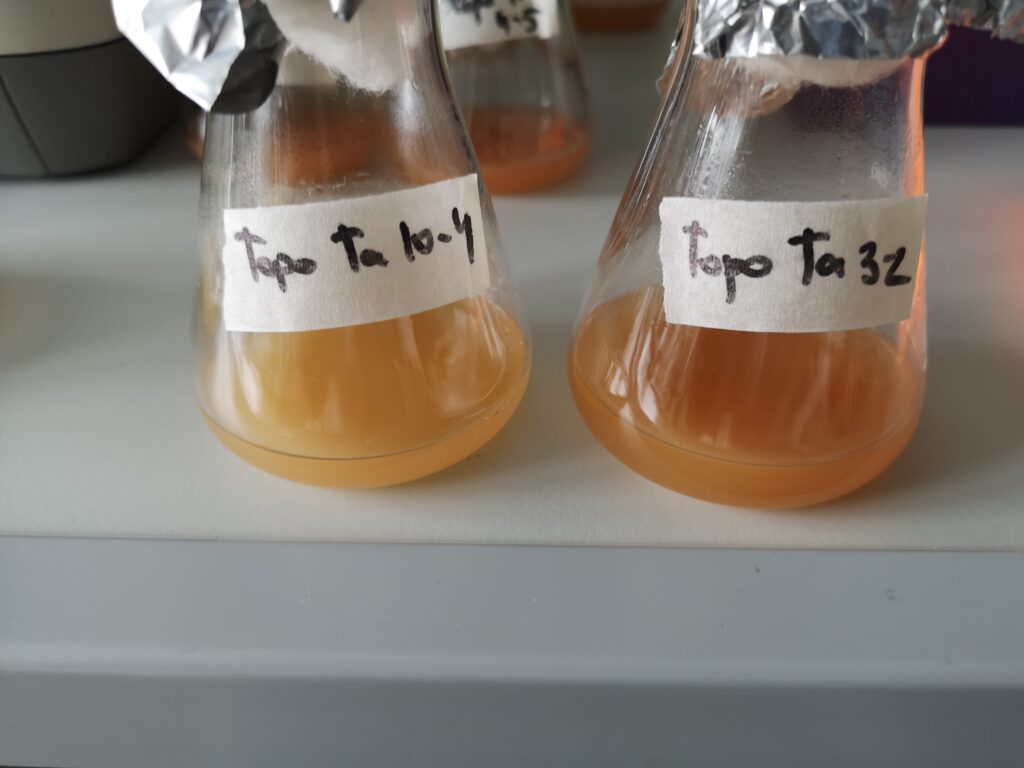
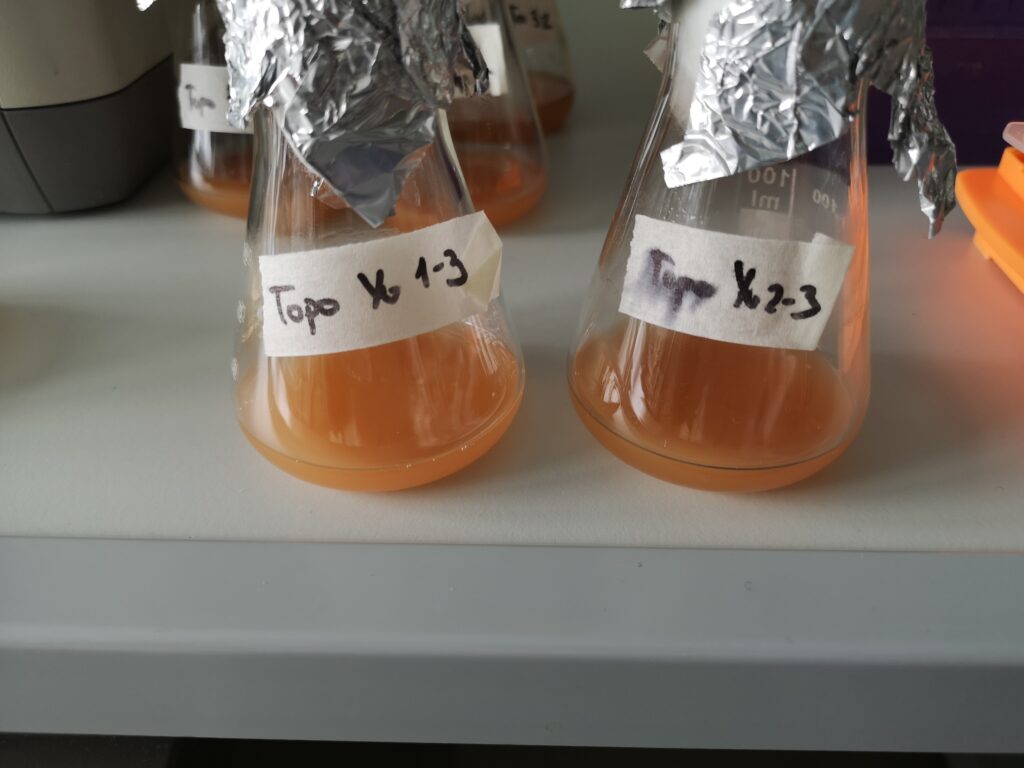
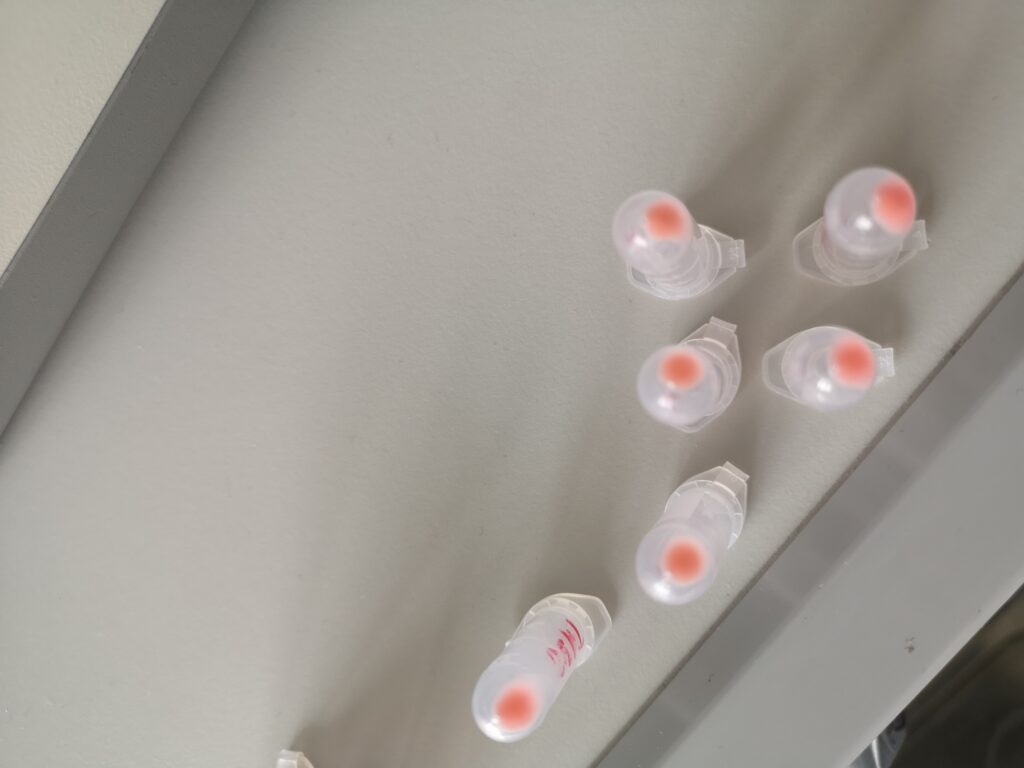
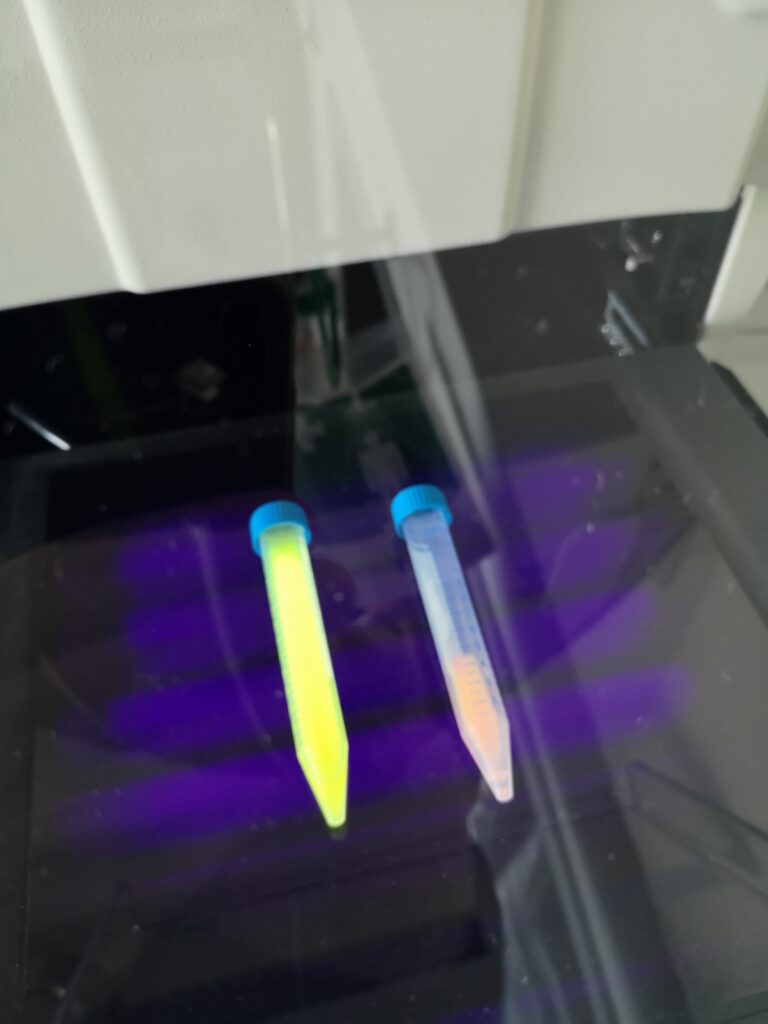
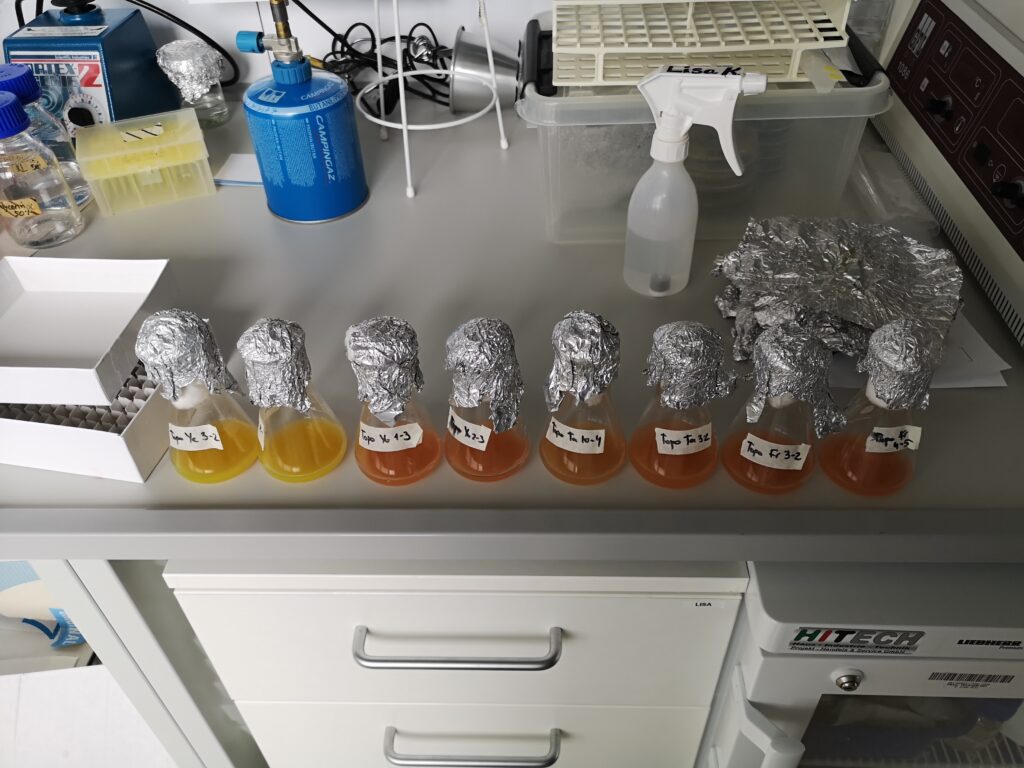
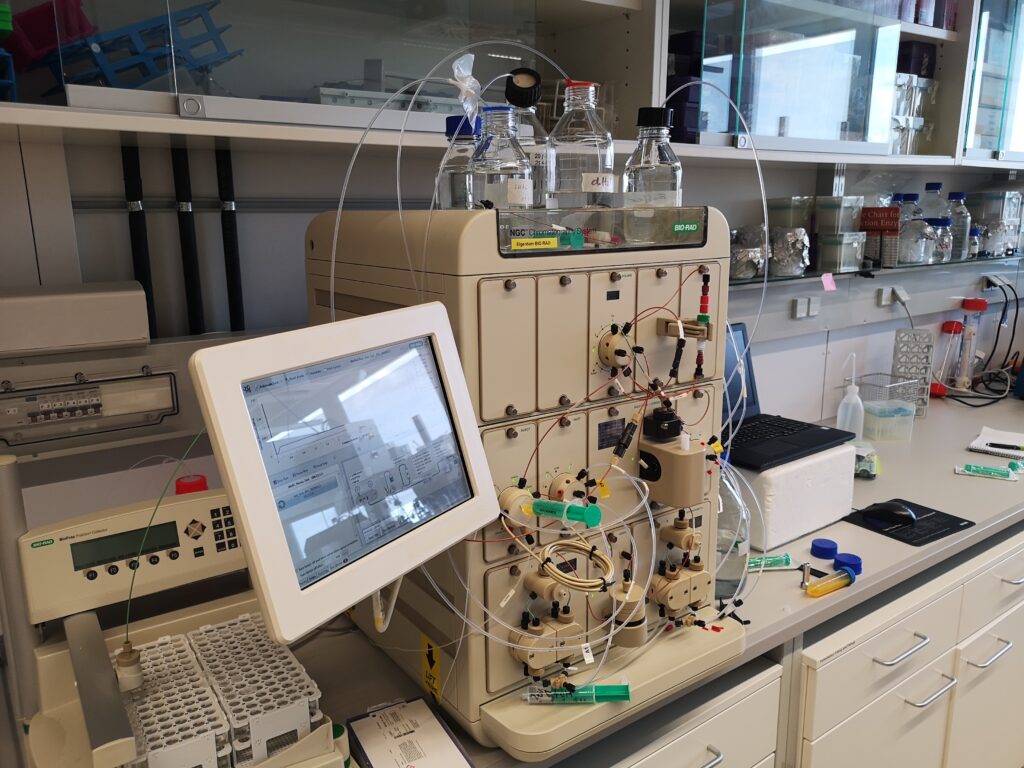
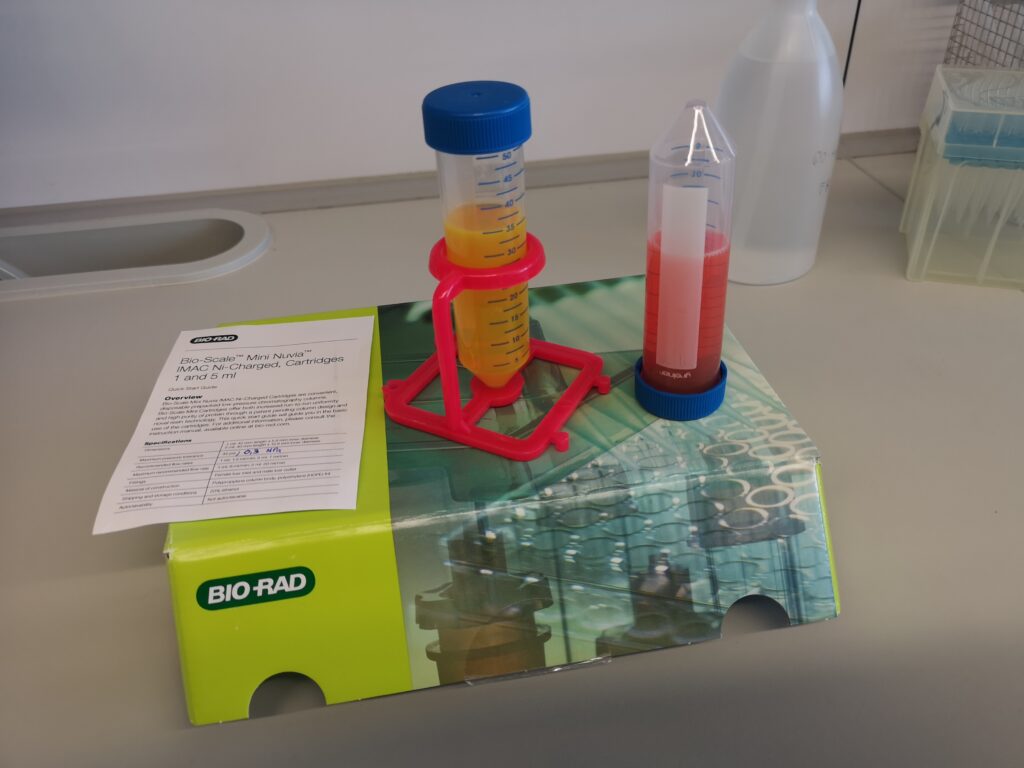
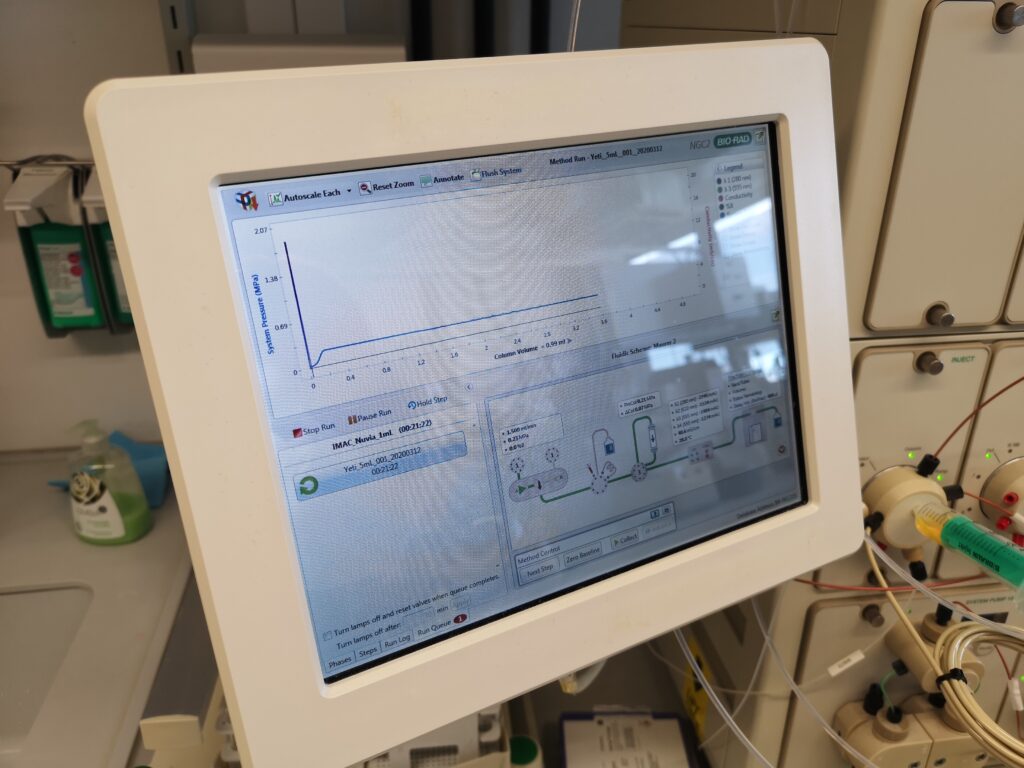
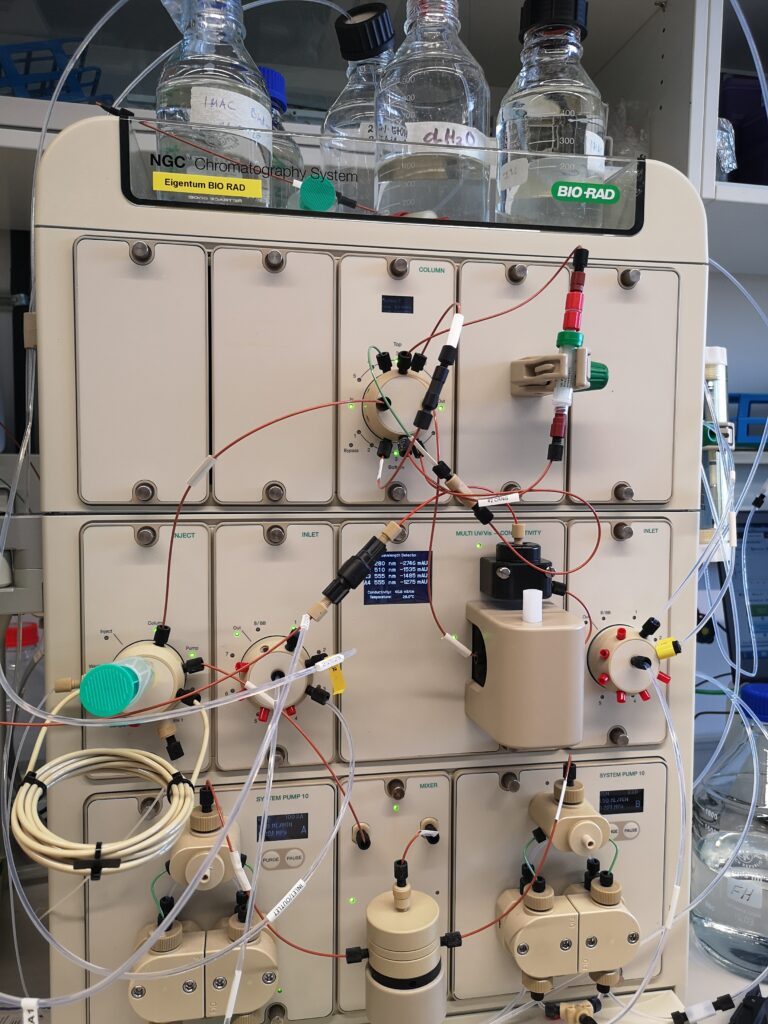
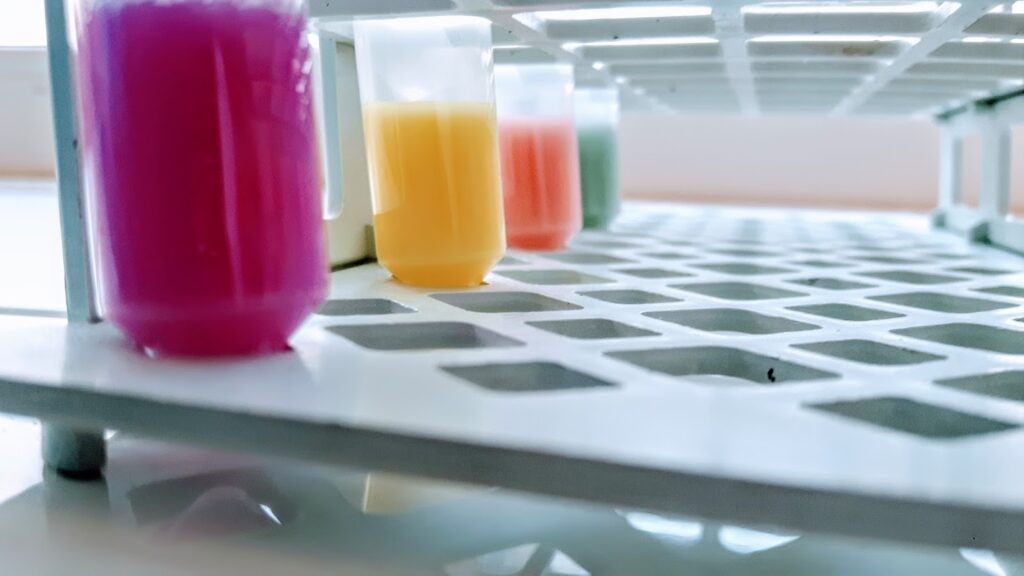
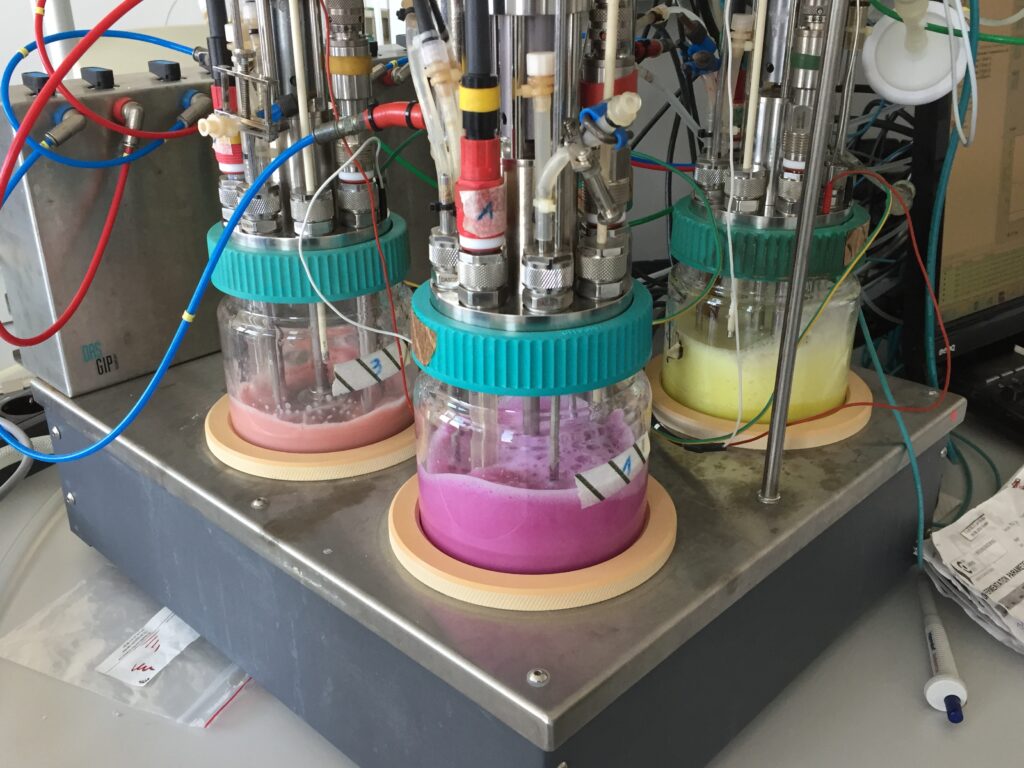
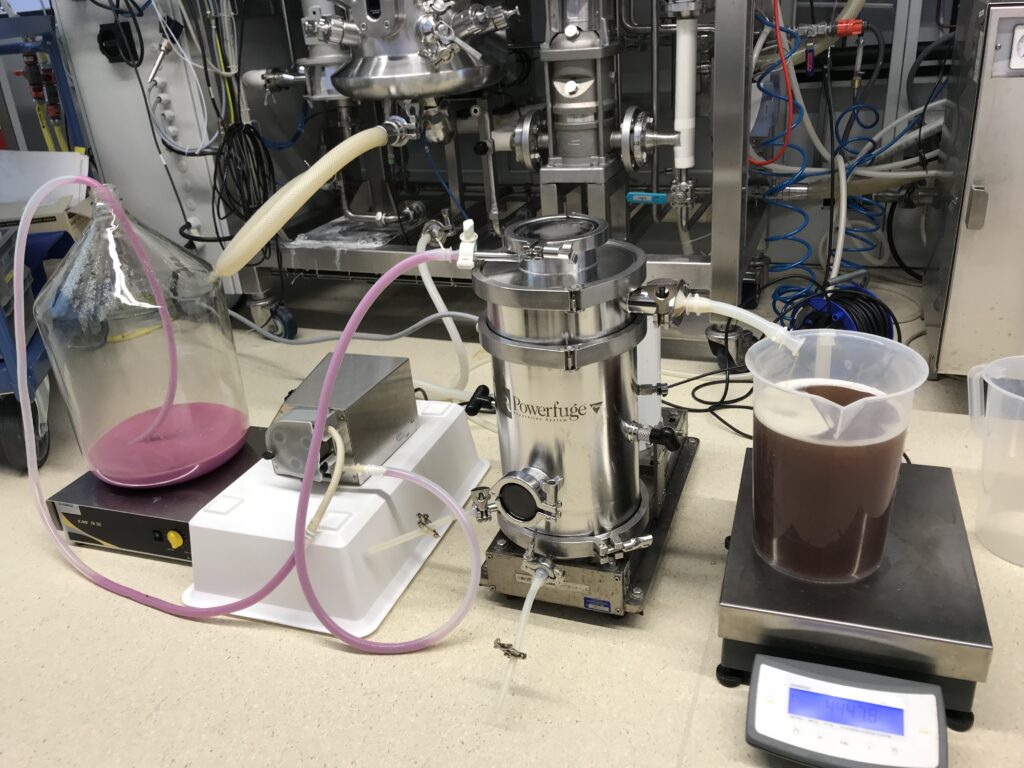
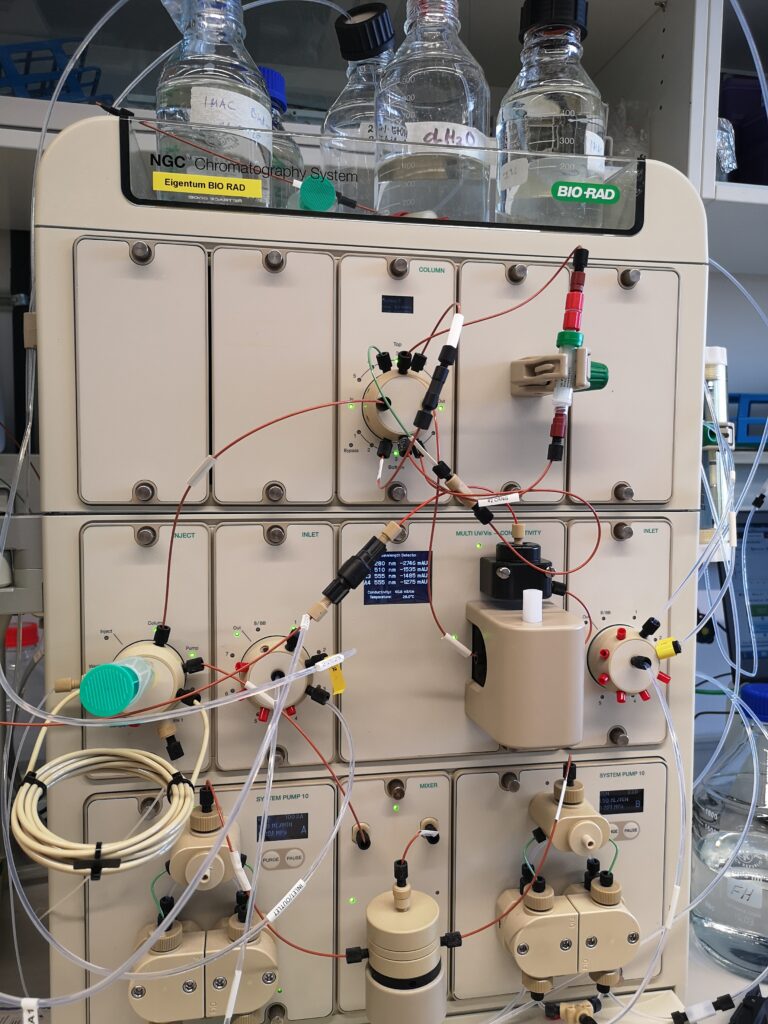
Die Proteine wurden von Student*innen kloniert und exprimiert und aufgereinigt mittels HIS-Tag-IMAC Chromatographie und wir werden die produzierenden e. colis für die Übungen einsetzen….
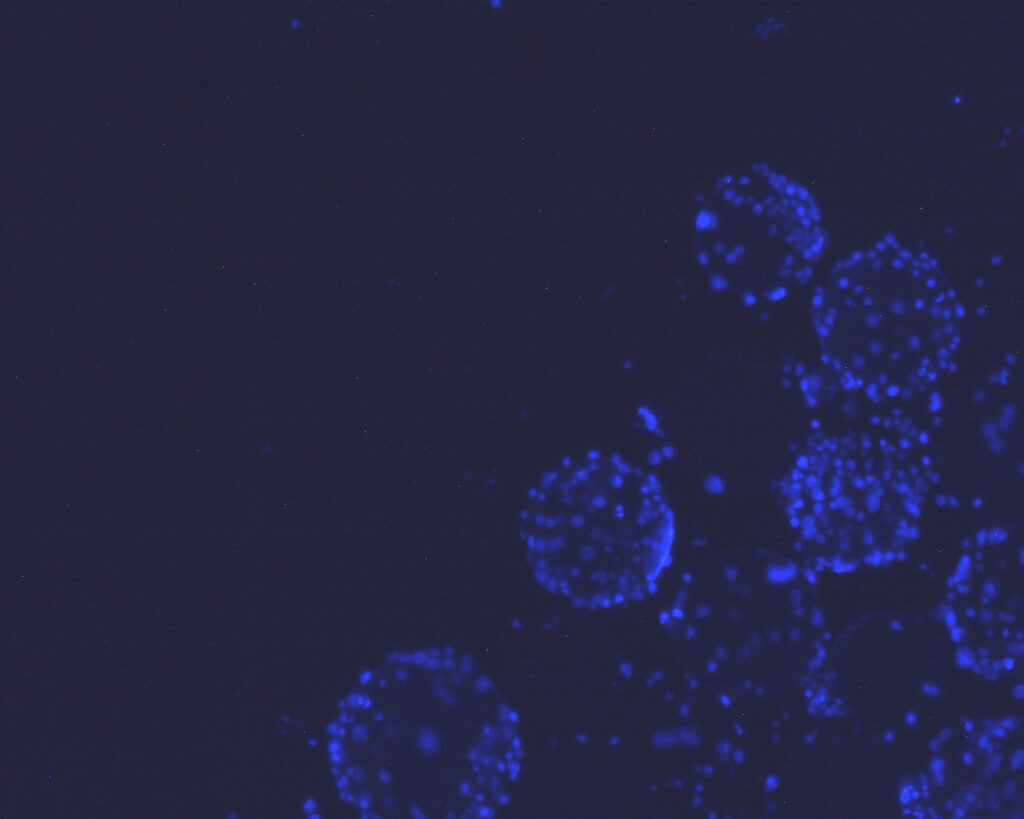
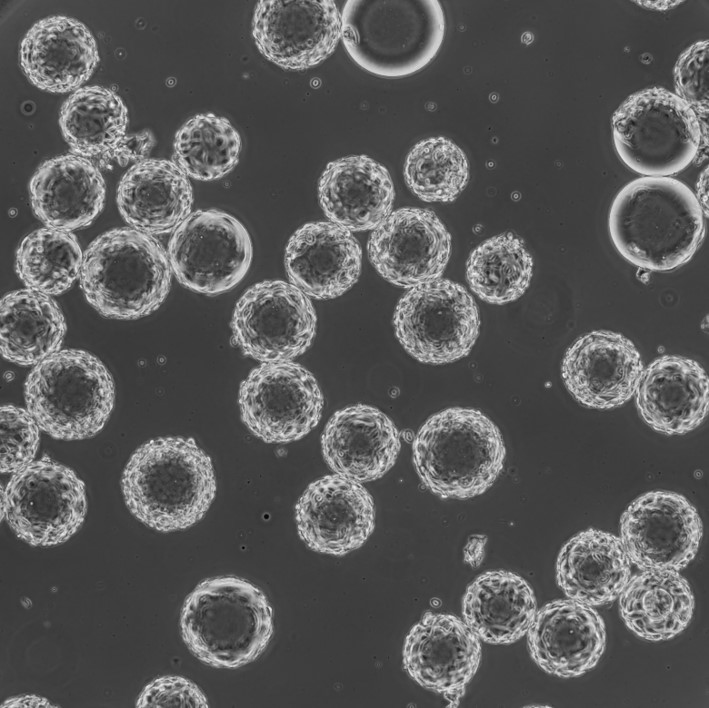
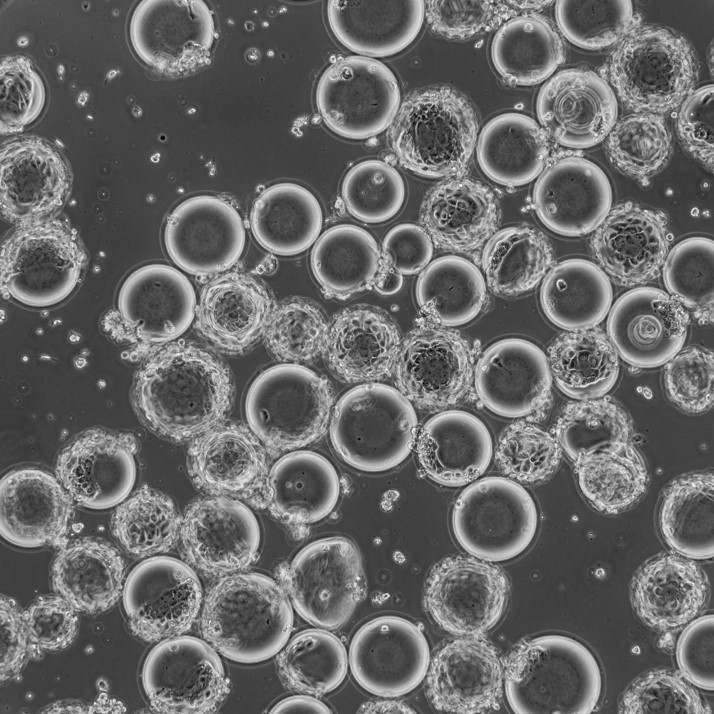
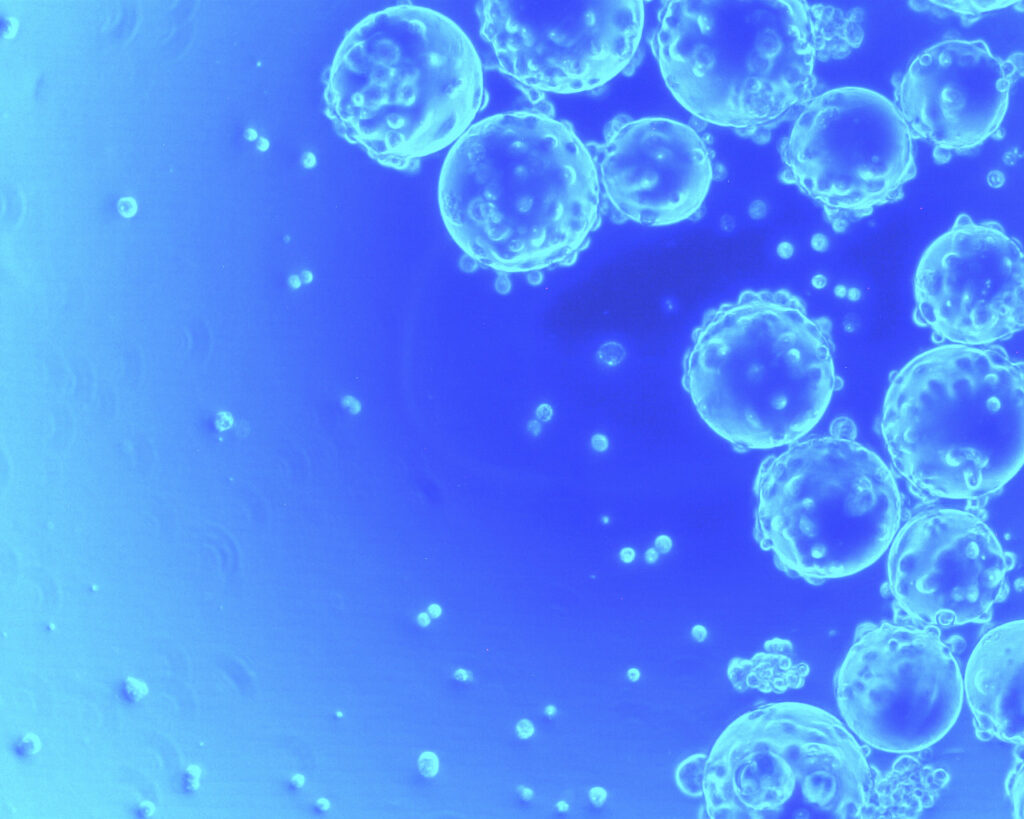
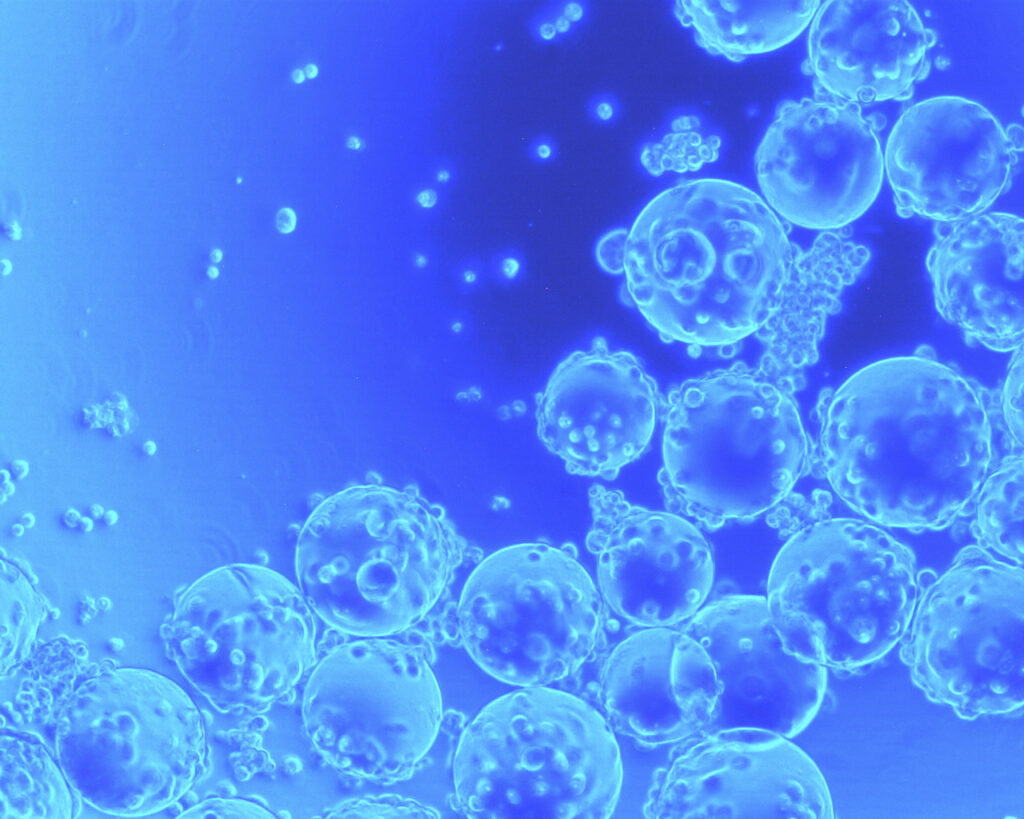
Student*innen haben versucht ein Programm zu schreiben mit dem man DAPI gefärbte Zellkerne auf Microcarriern zählen kann….
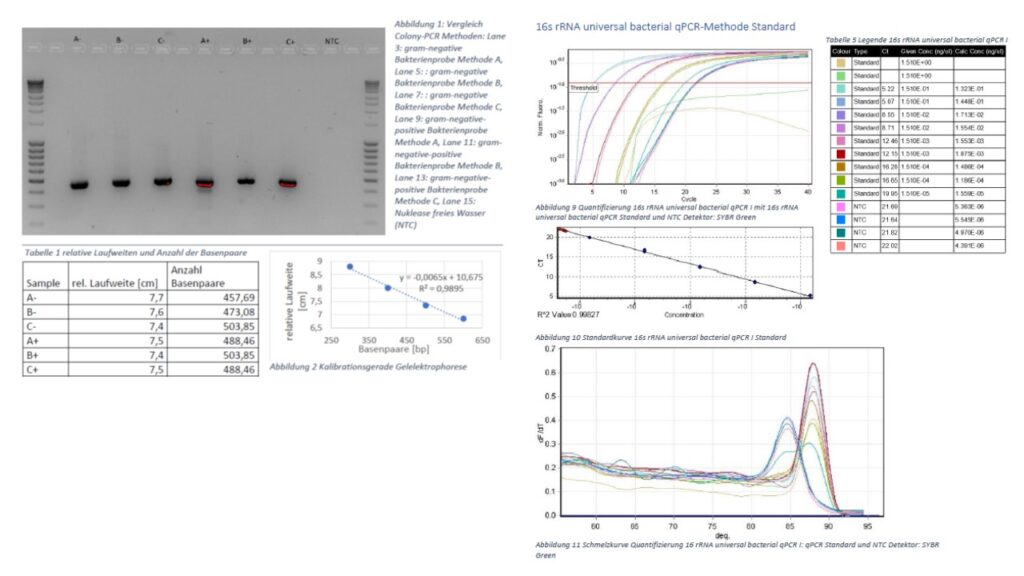
Praktikum: 16s rRNA universal bacterial qPCR
Autor: Maximilian Potzel
Abstract
In Zellkultur Laboren in denen vornehmlich mit tierischen Zellen gearbeitet wird, stellen bakterielle Kontaminationen aufgrund der schnelleren Wachstumsgeschwindigkeit, im Vergleich zu tierischen Zelllinien, eine sehr hohe Quelle für das Scheitern von Experimenten dar. Zwar gibt es verschiedene Möglichkeiten Zelllinien und Medien auf bakterielle Zellen überprüfen zu können, wie die Sequenzierung in einem entsprechenden Labor oder das Ausstreichen auf Nährmedienplatten und anschließende Beobachtung auf potenzielles Wachstum. Allerdings besteht der Bedarf an einer Methode, welche schnell, günstig sowie, mit vorhandenem Laborequipment, einfach durchzuführen ist, aber trotzdem ausreichend sensitive und spezifische Ergebnisse liefert. Hierzu wurde versucht einen Teil der ribosomalen 16s RNA zu amplifizieren, da dieses Gen hoch konserviert in vielen verschieden Bakterienspezies vorliegt. Im folgenden Text wird der Versuch der Entwicklung einer entsprechenden qPCR-Methode beschrieben, welche alle bakterielle DNA gleichermaßen qualitativ und quantitav nachweisen kann.
Praktikum:
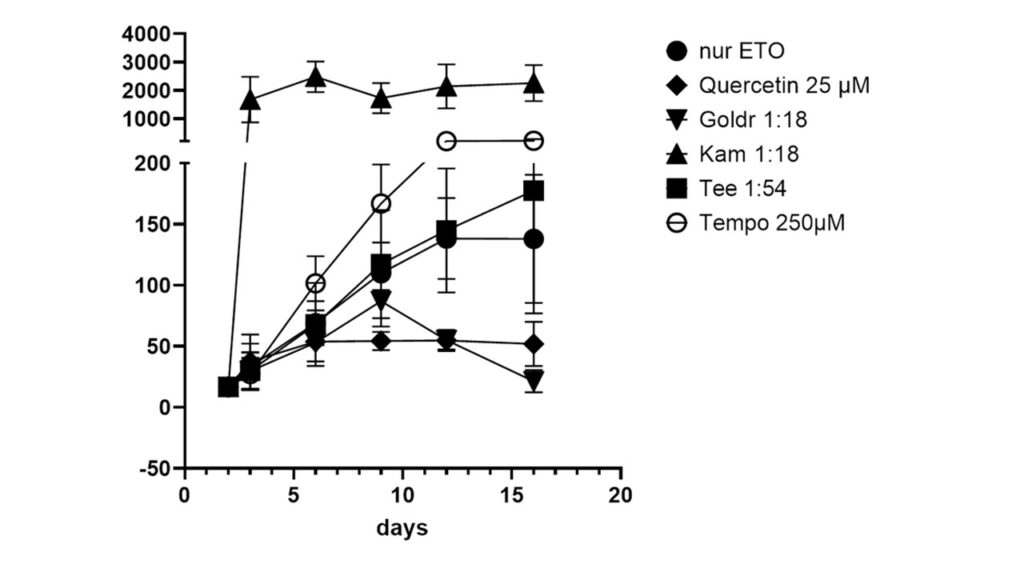
Durchführung von IL-6 ELISA Bestimmungen für die Altersforschung. Student*innen haben die Konzentration von IL-6 (einem inflammatorischen Cytokin) in Zellkulturüberständen von seneszenten Zellen gemessen die mit Pflanzenextrakten und natürlichen Substanzen behandelt wurden.
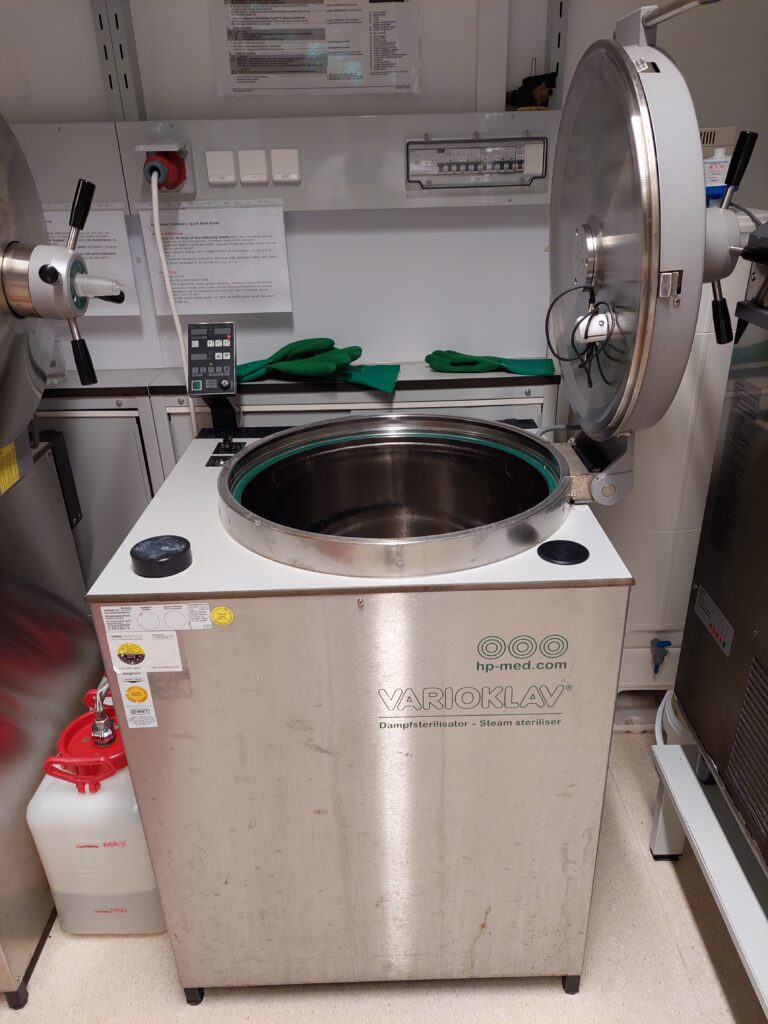
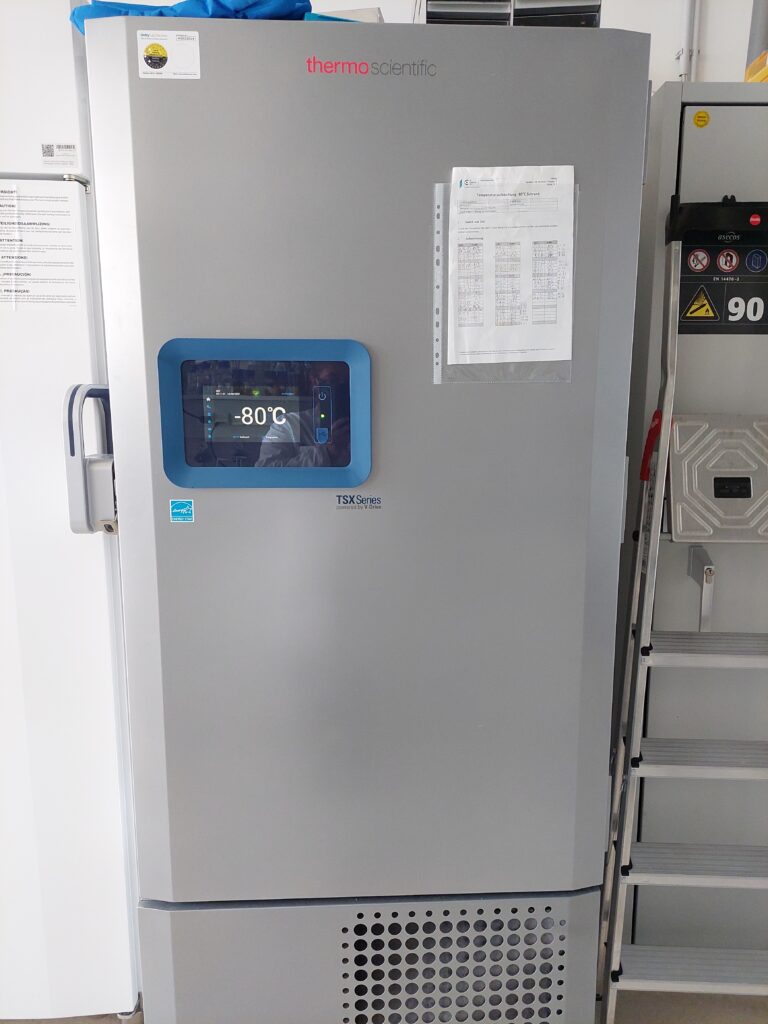
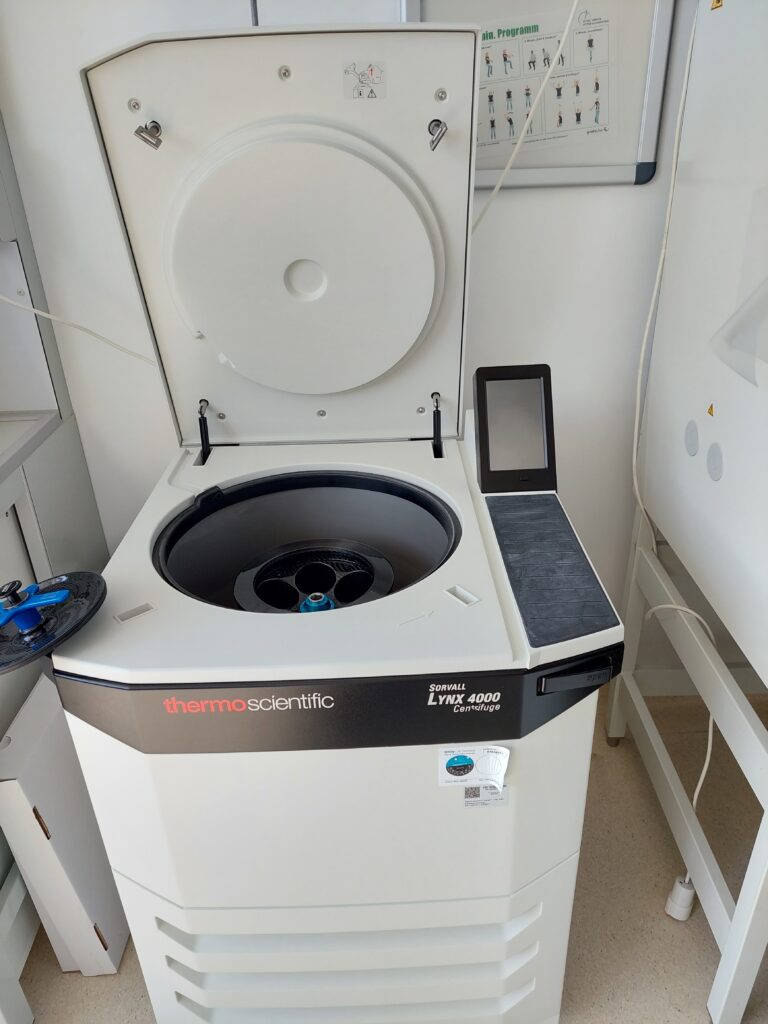
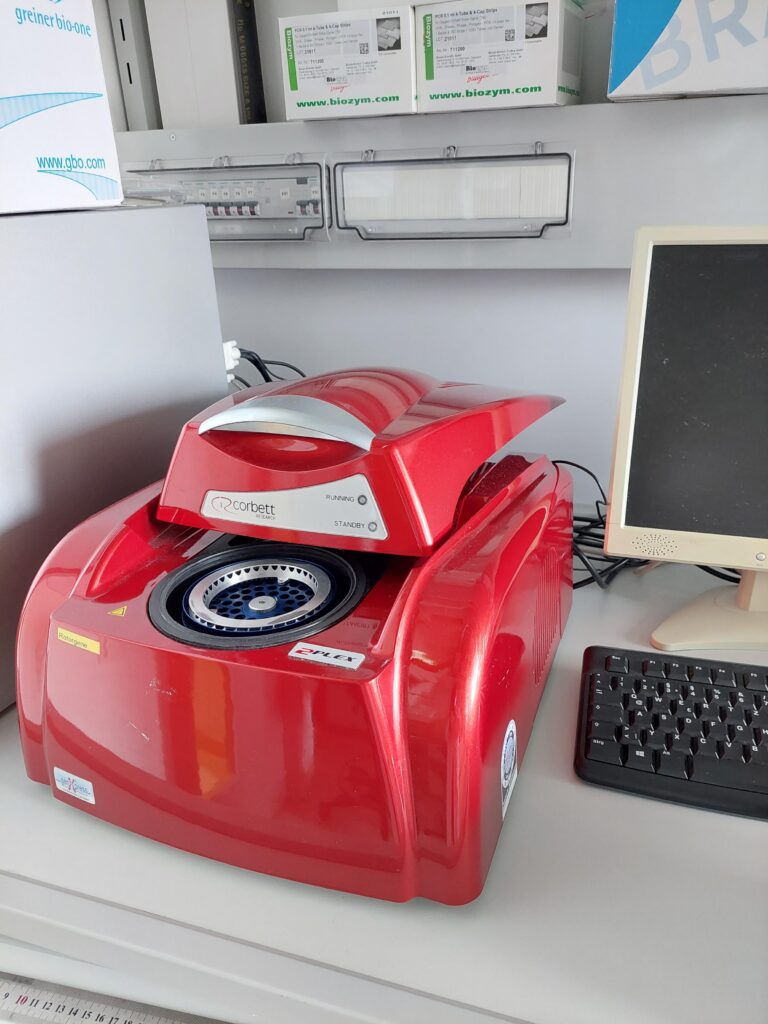
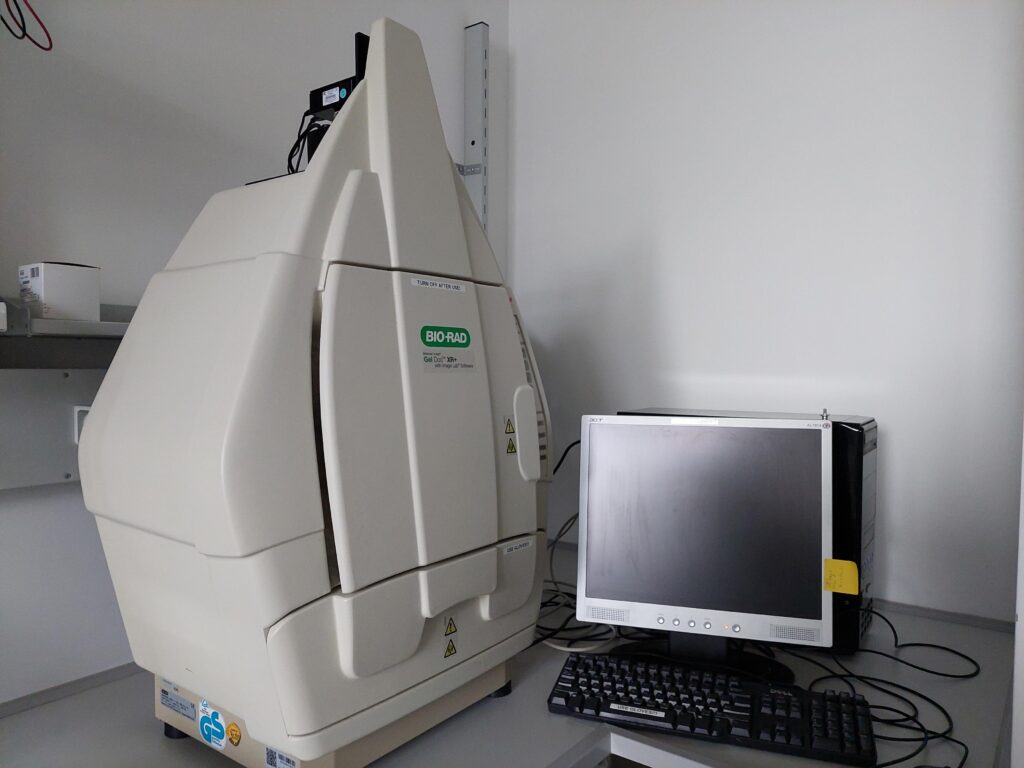
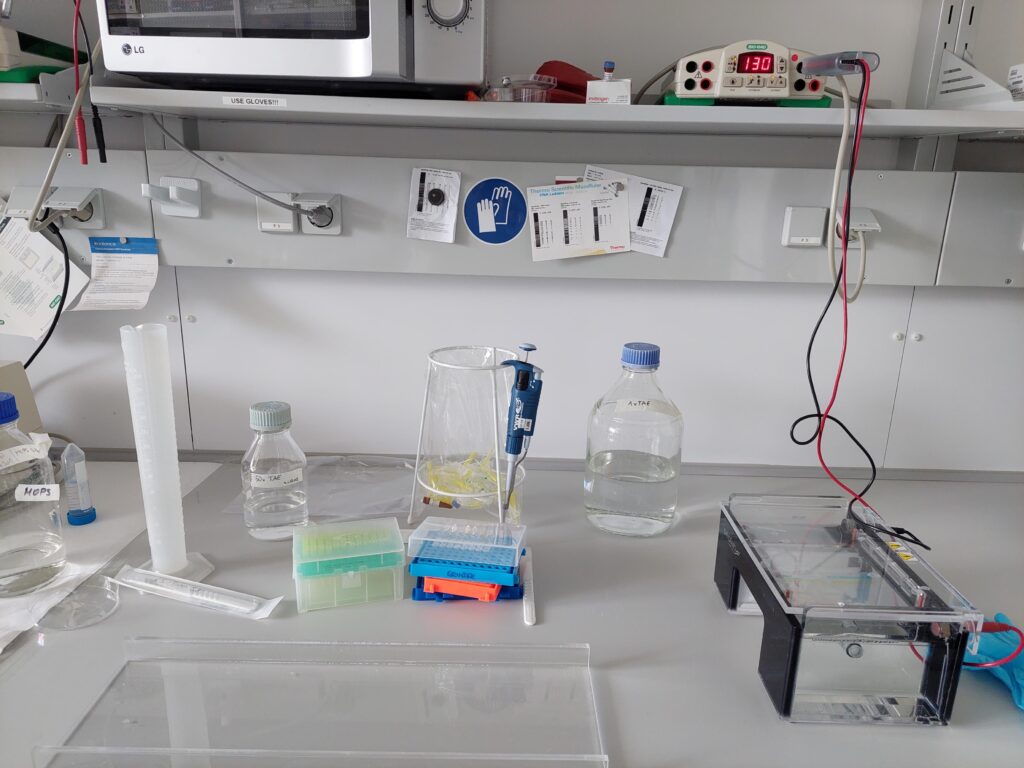
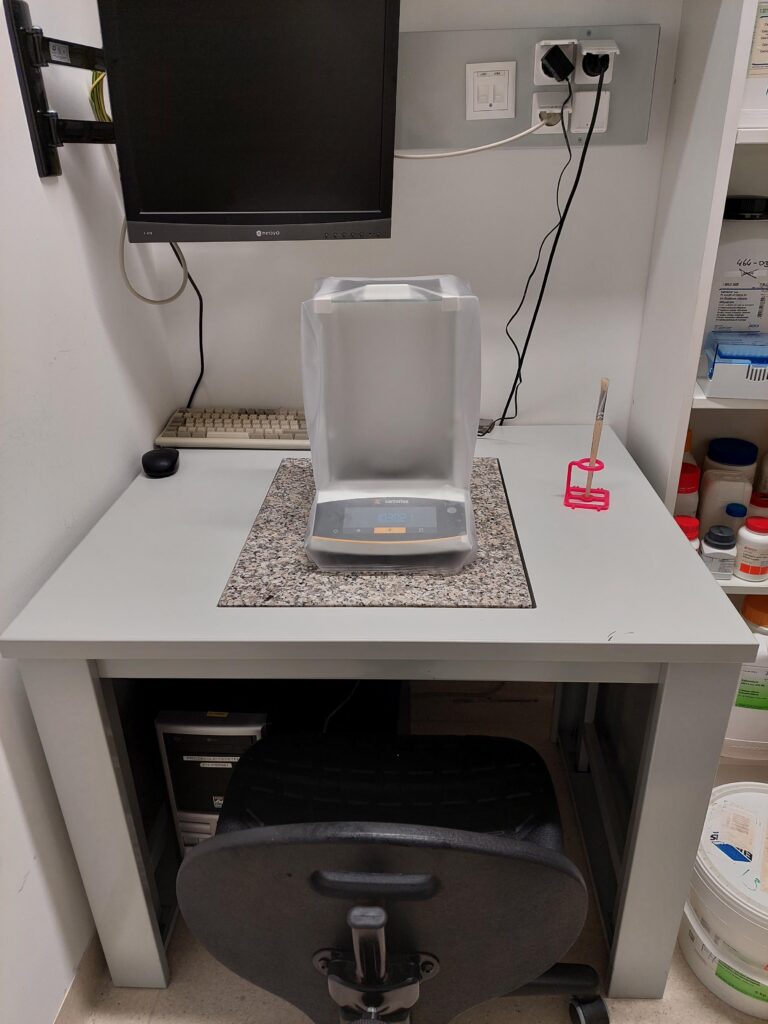
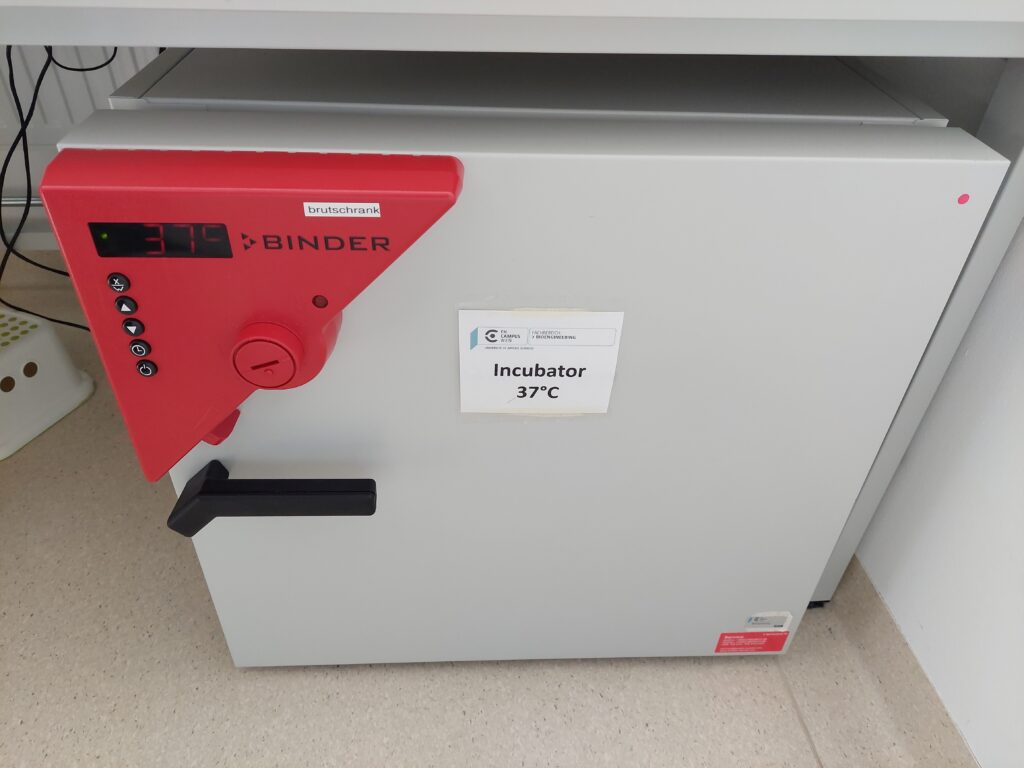
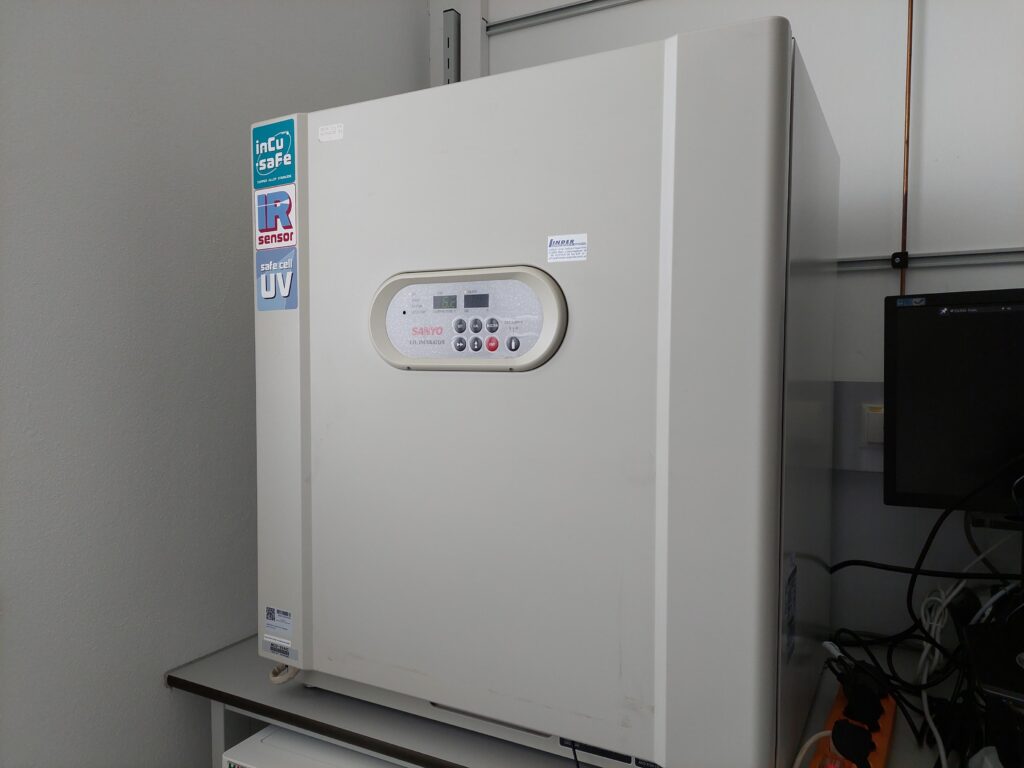
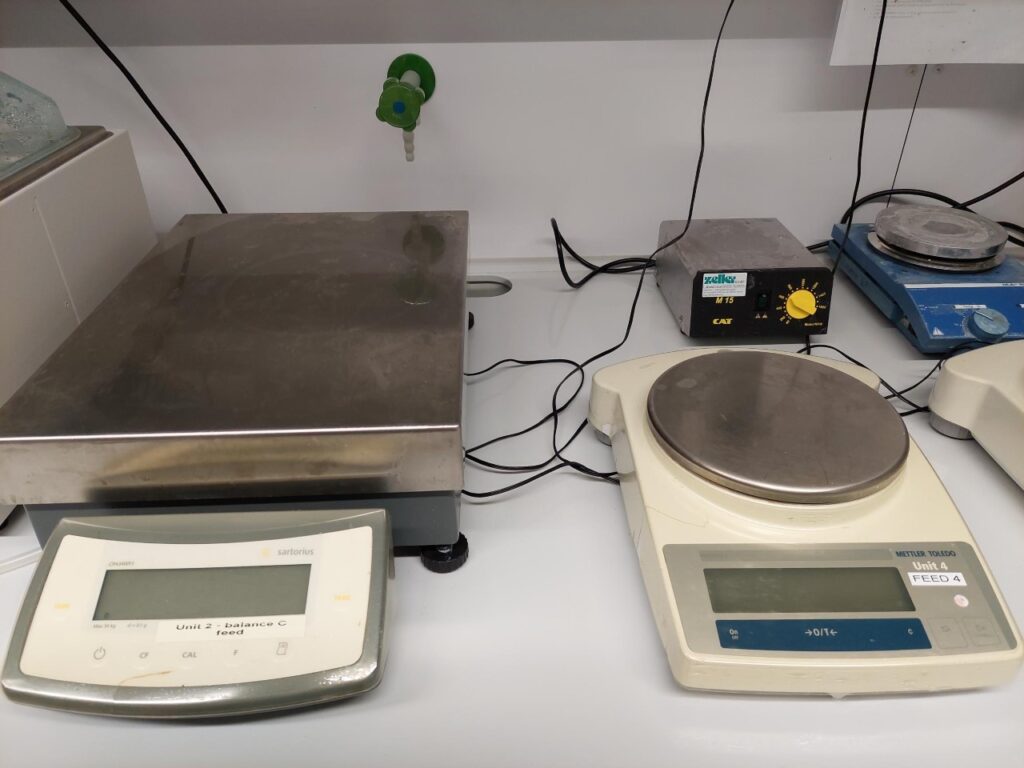
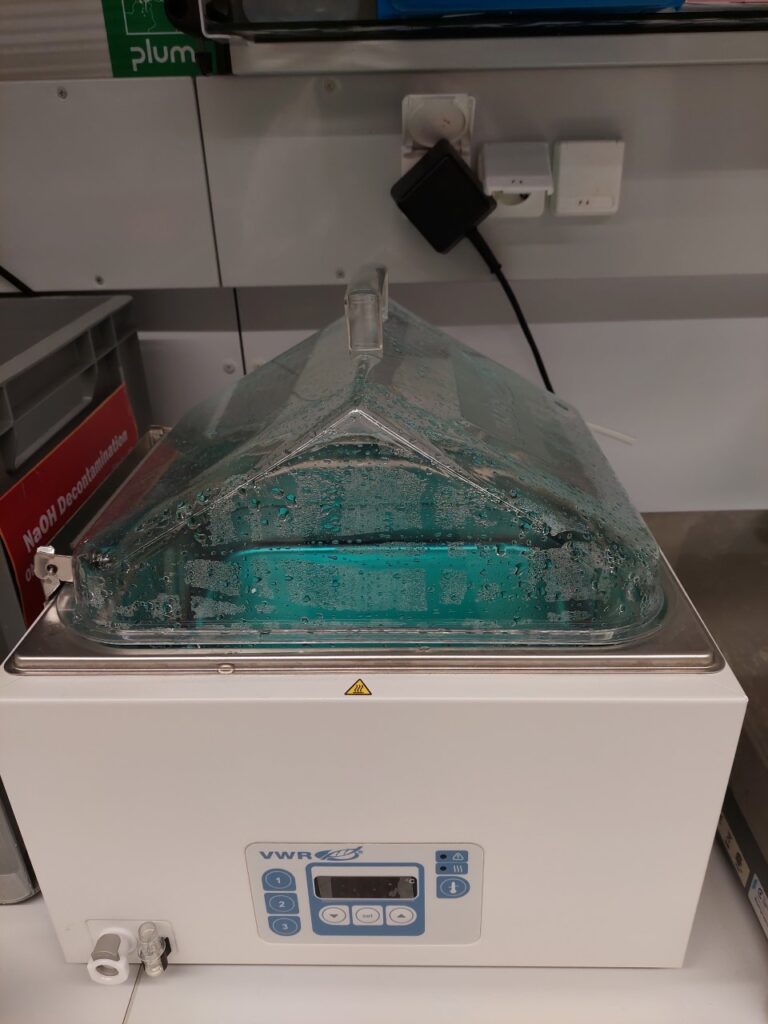
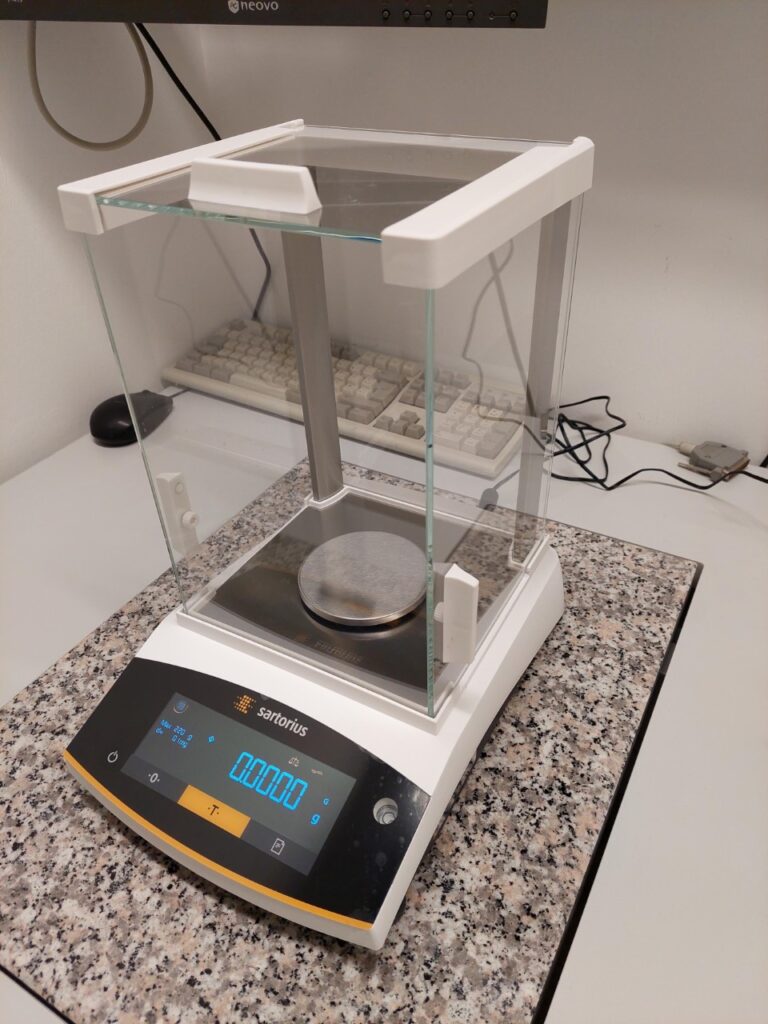
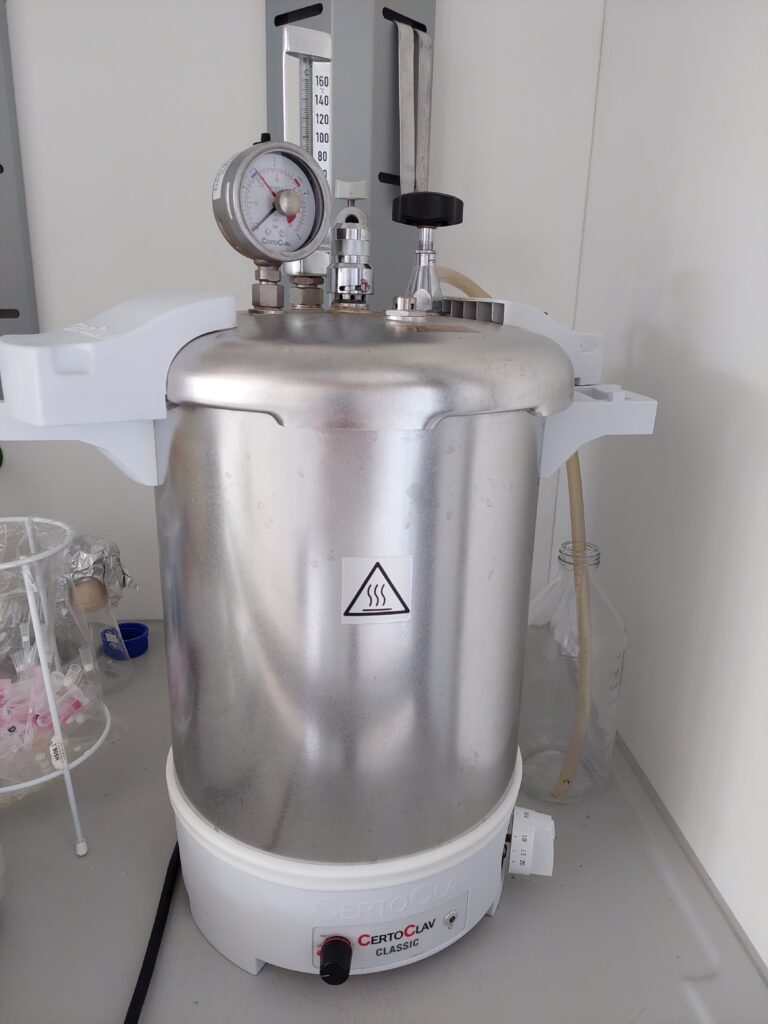
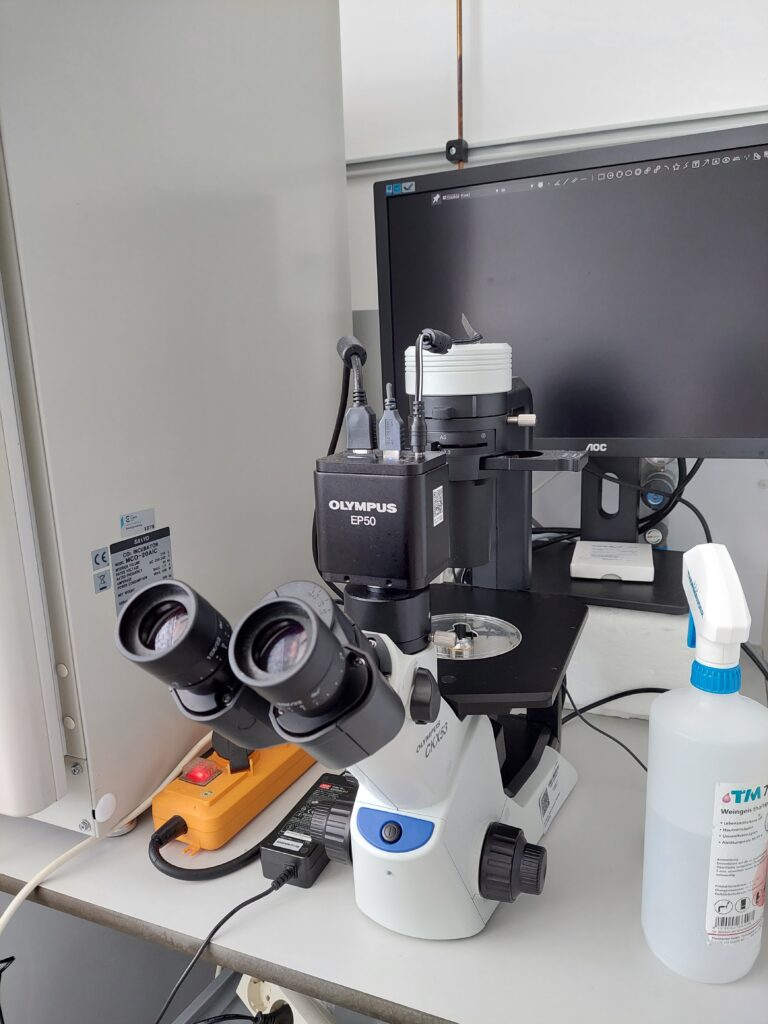
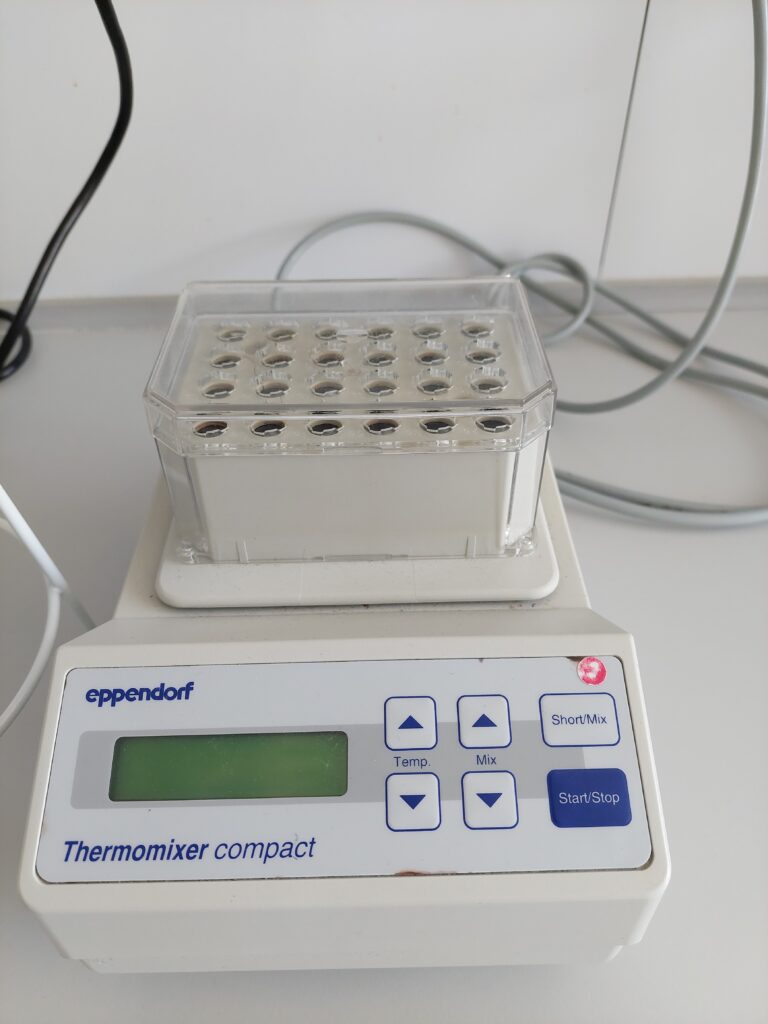
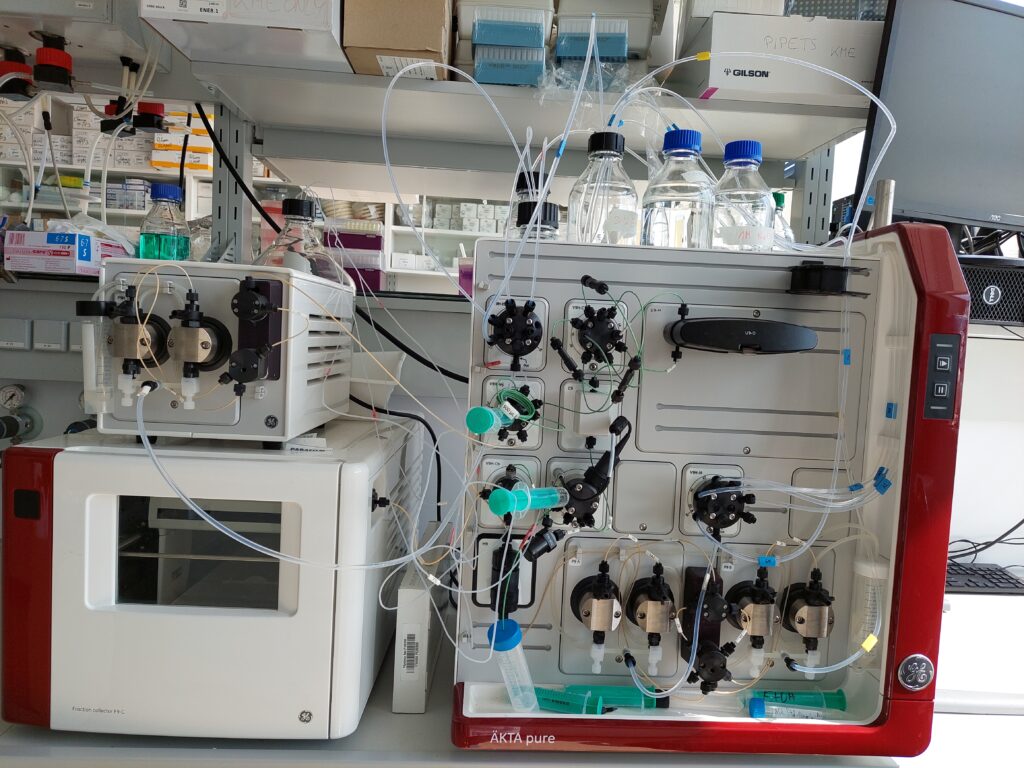
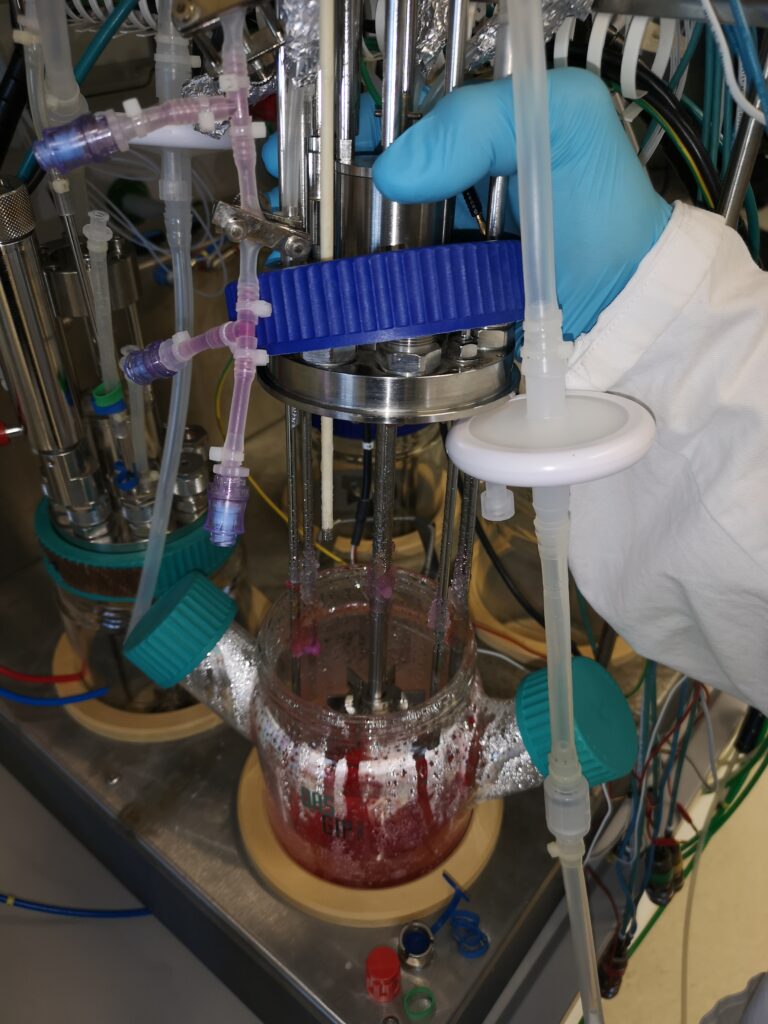
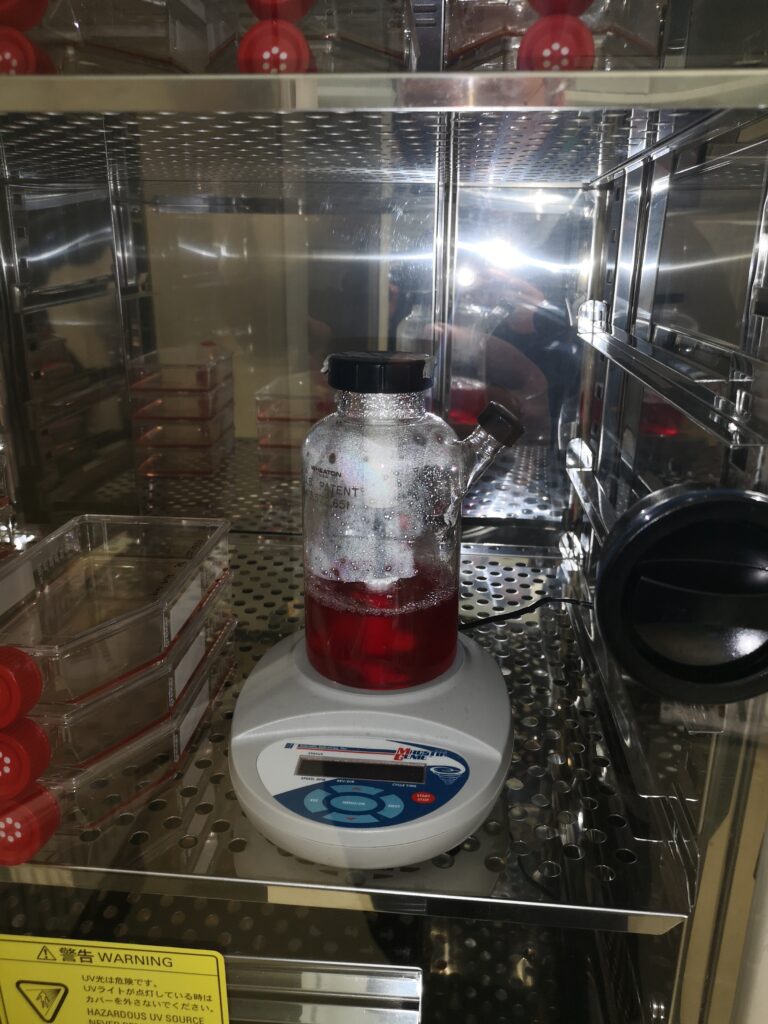
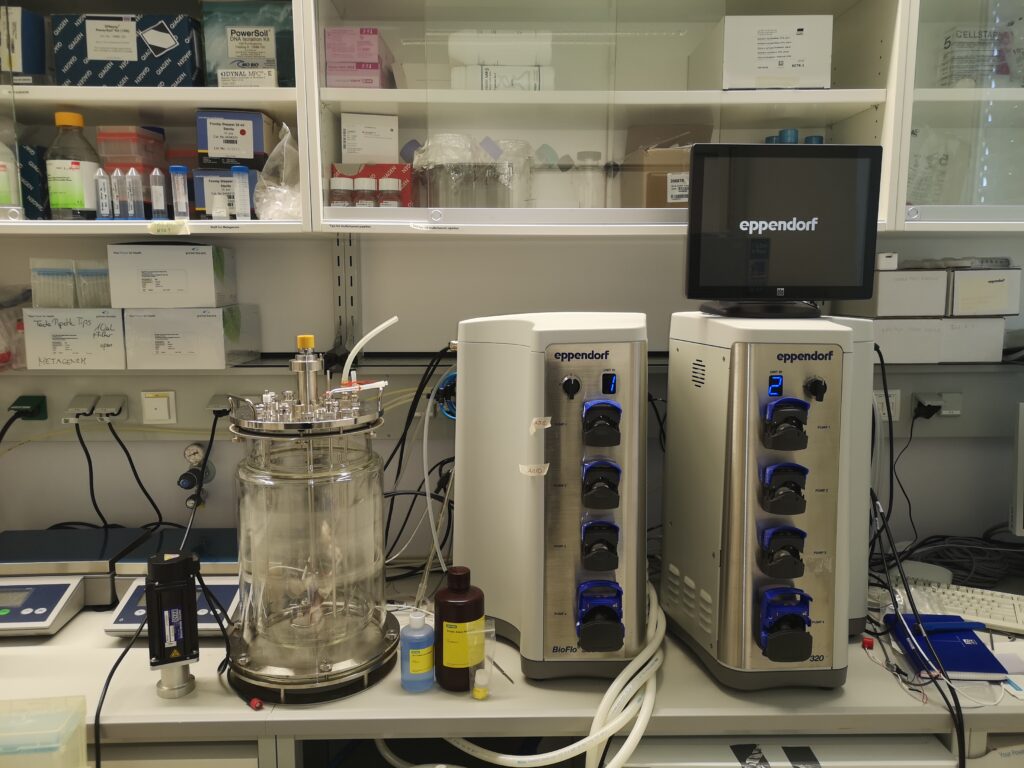
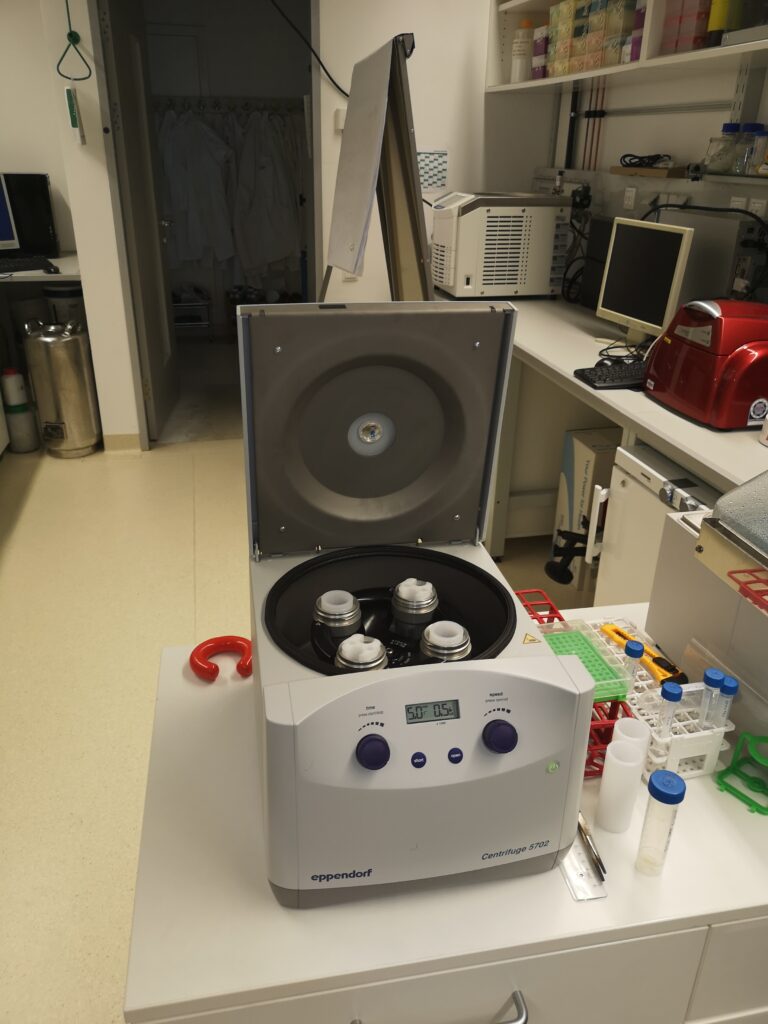
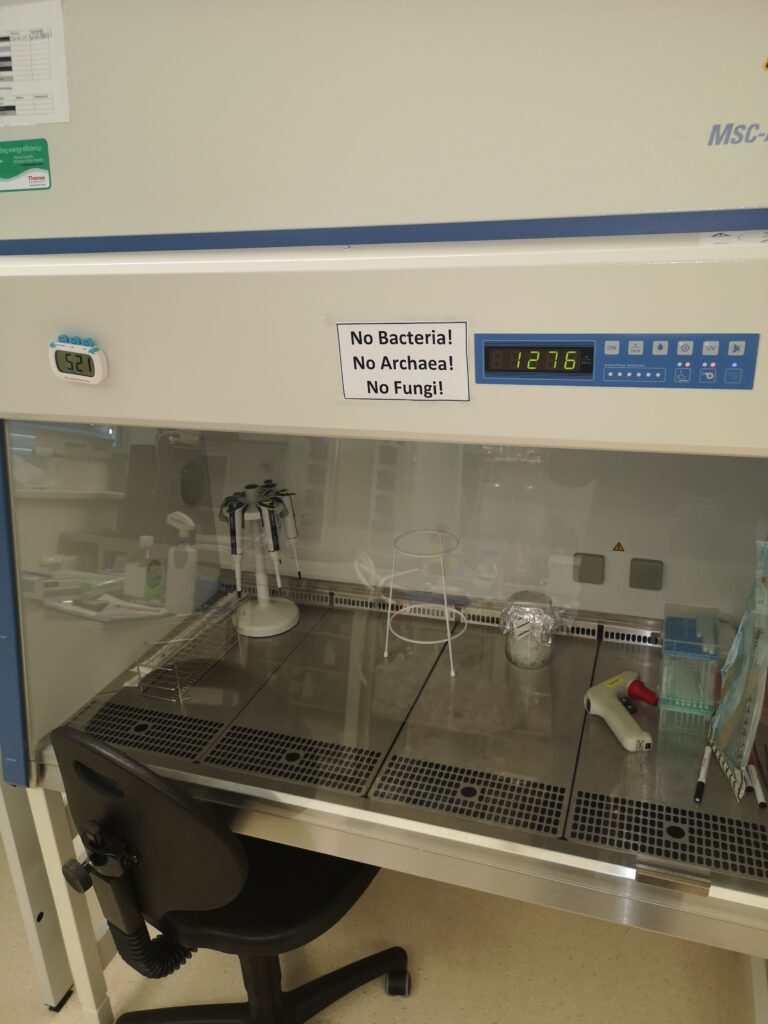
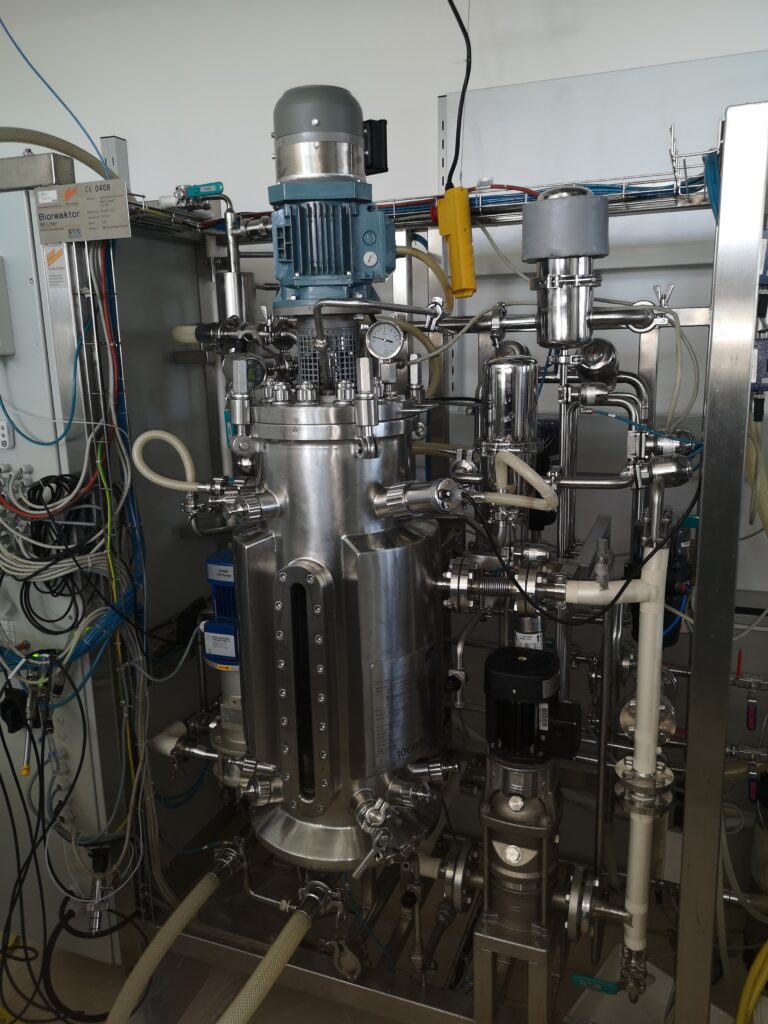
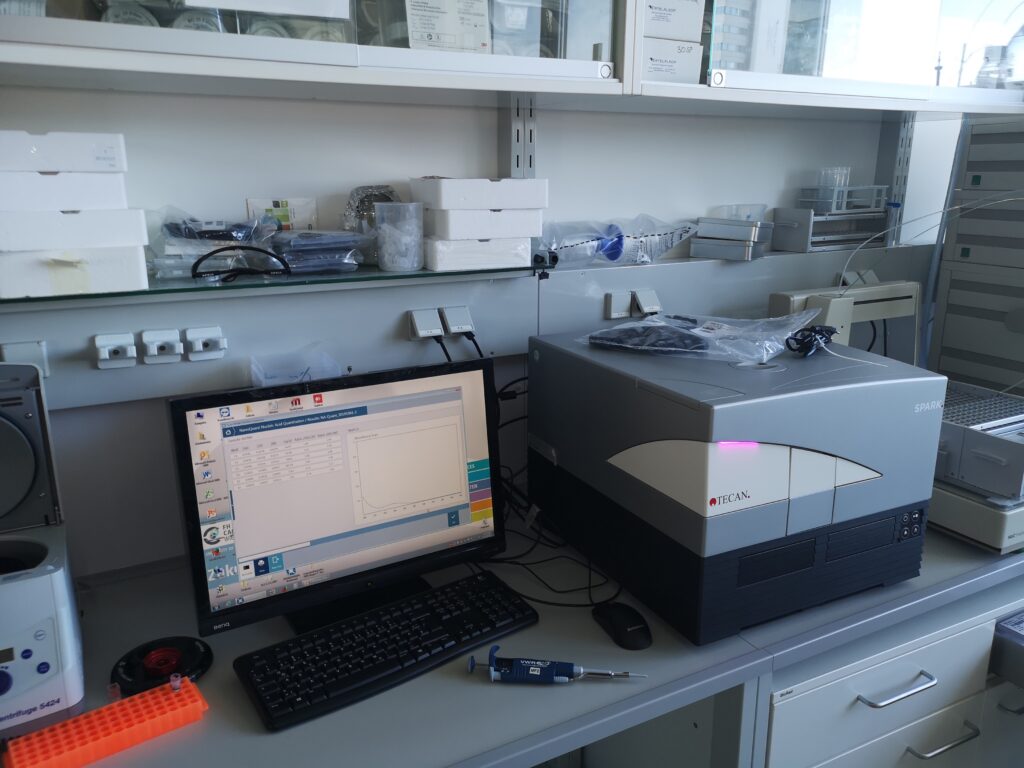
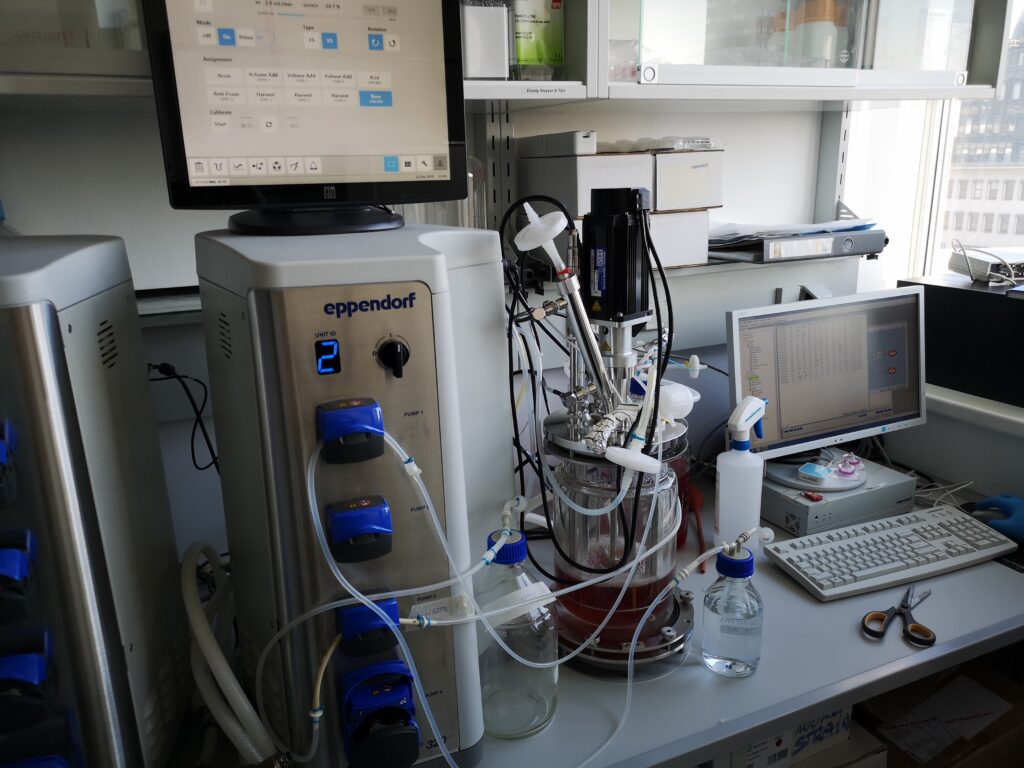
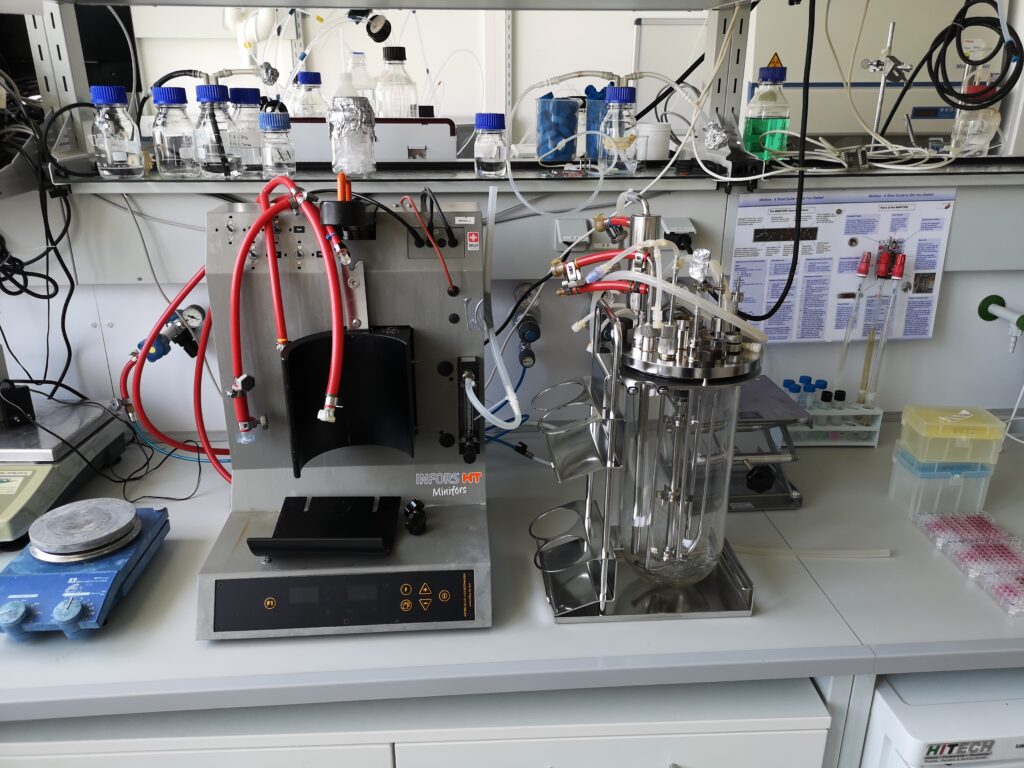
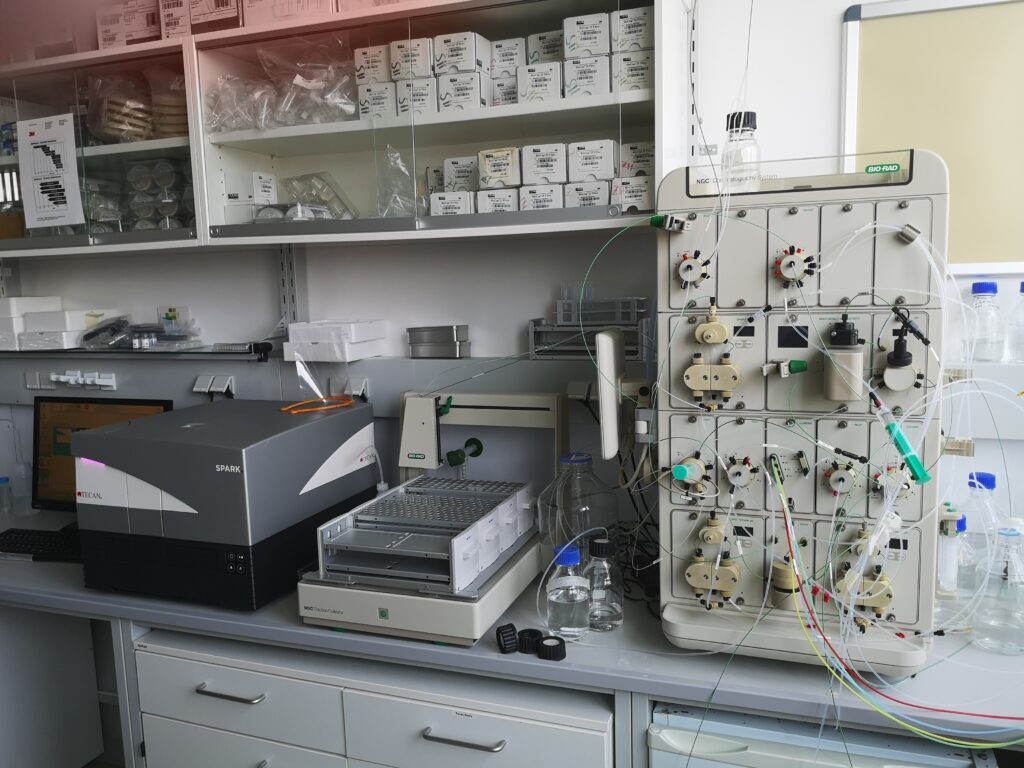
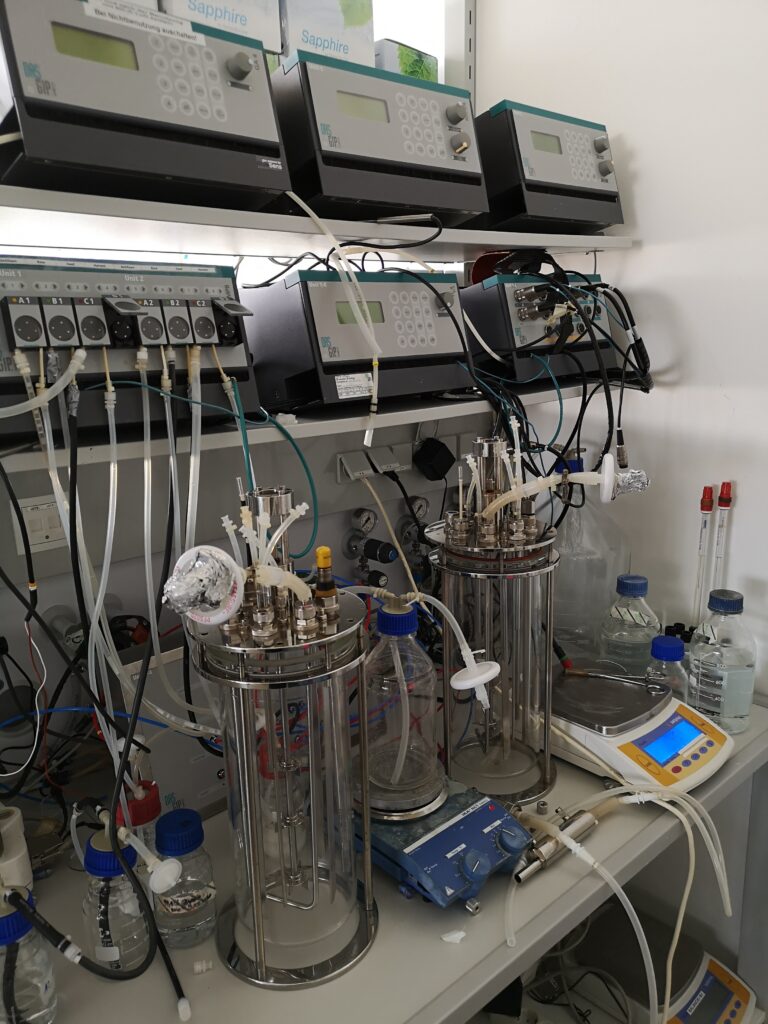
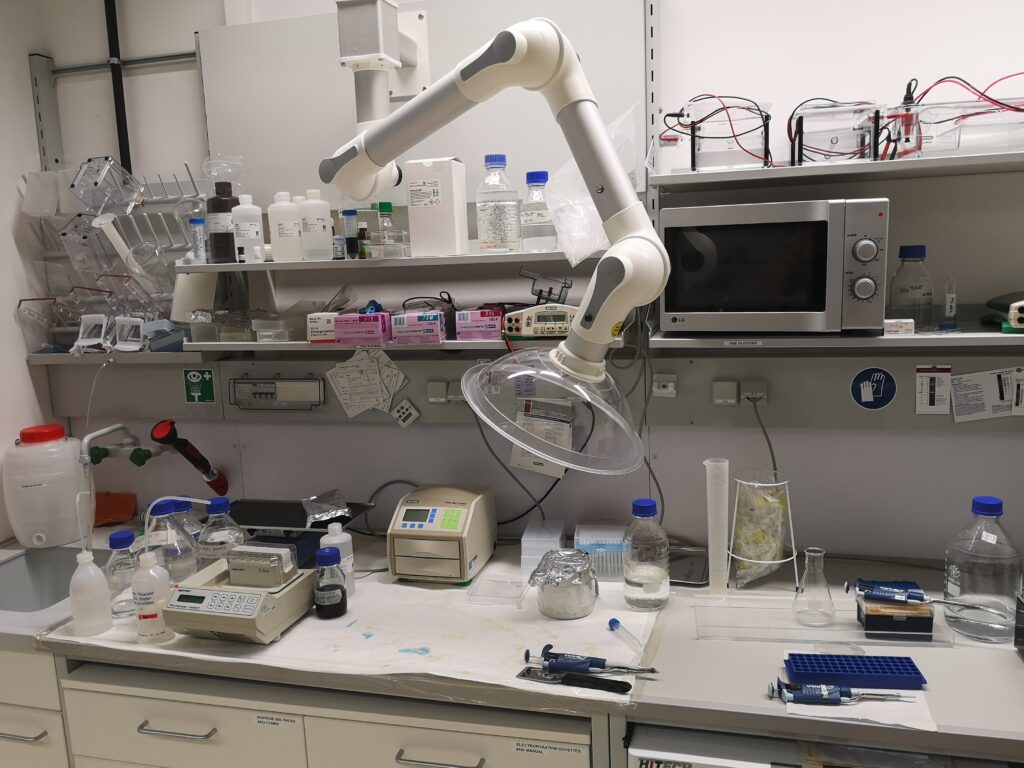
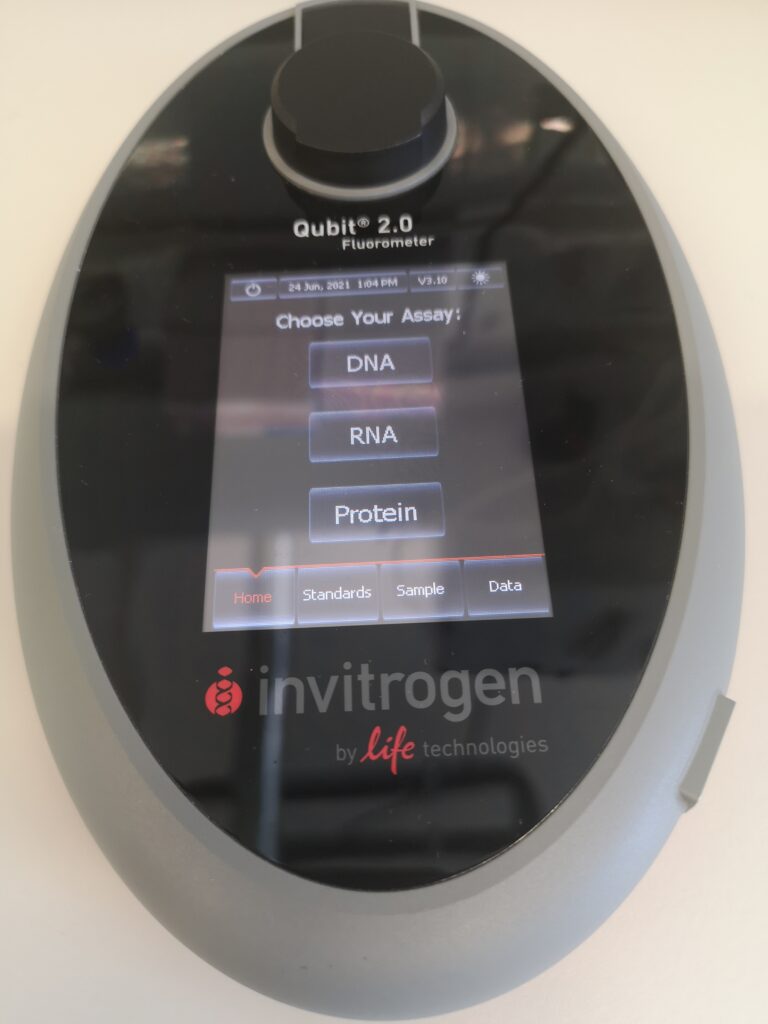
Ausstattung des Labors:

Übungen…
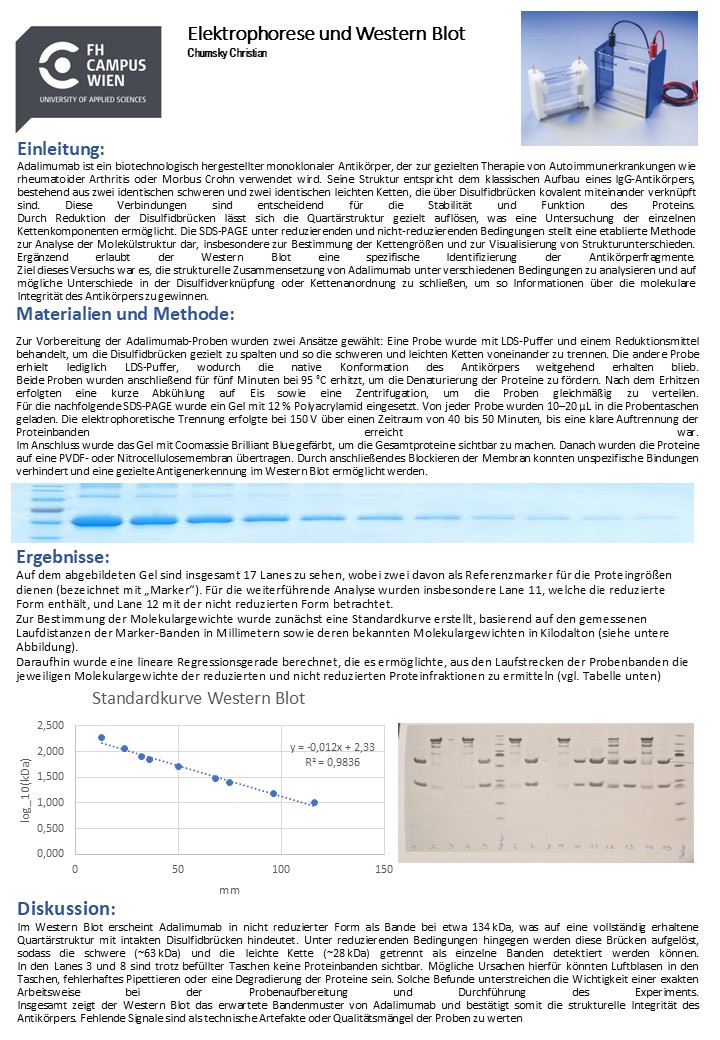
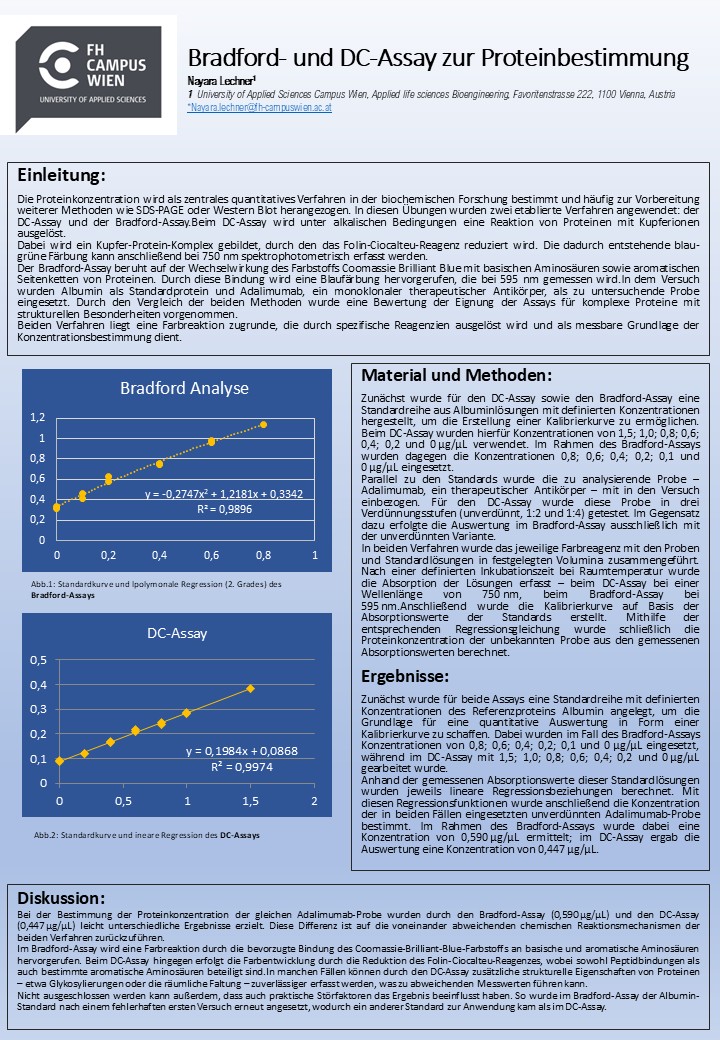
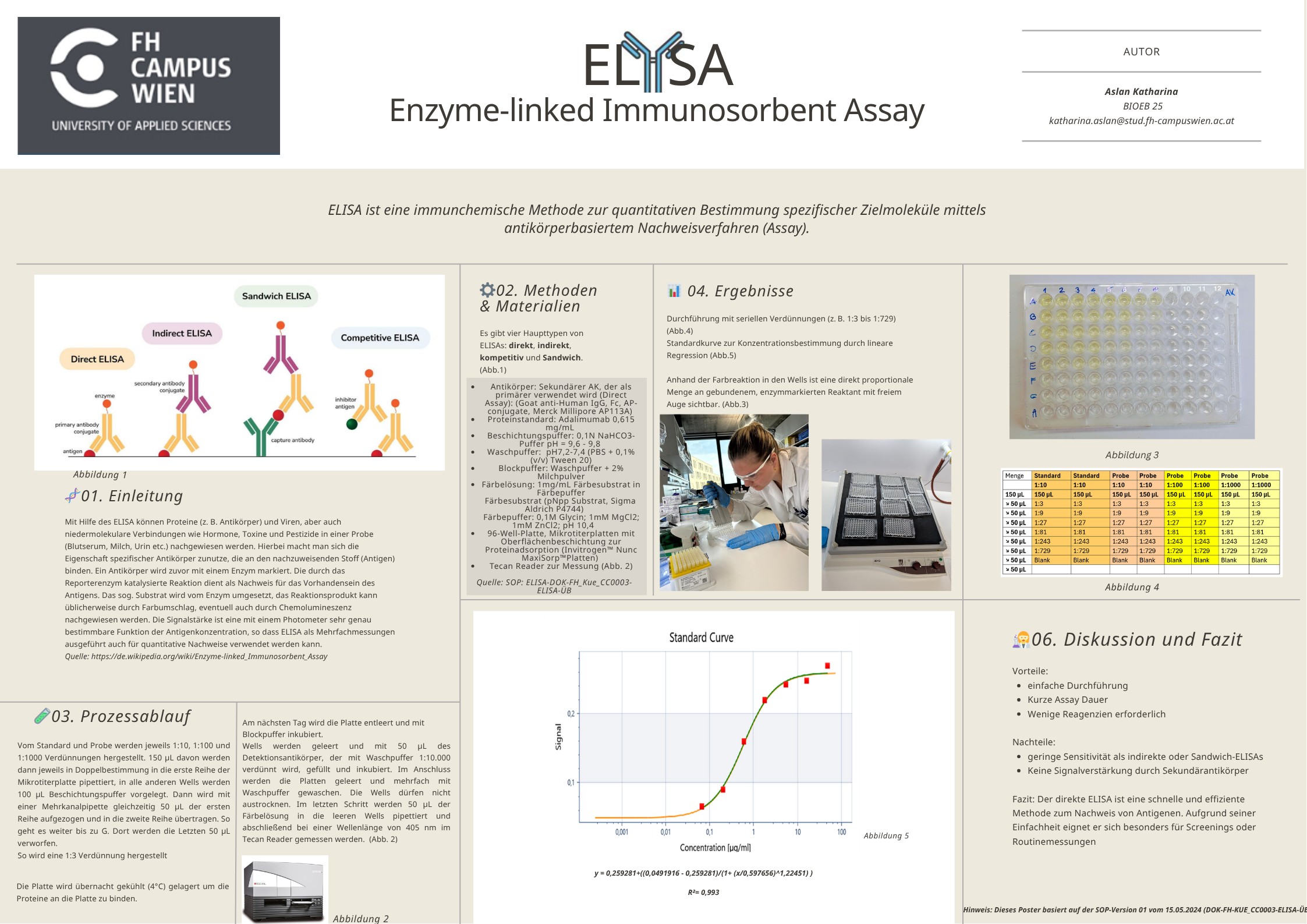
Bioanalytik Übungen
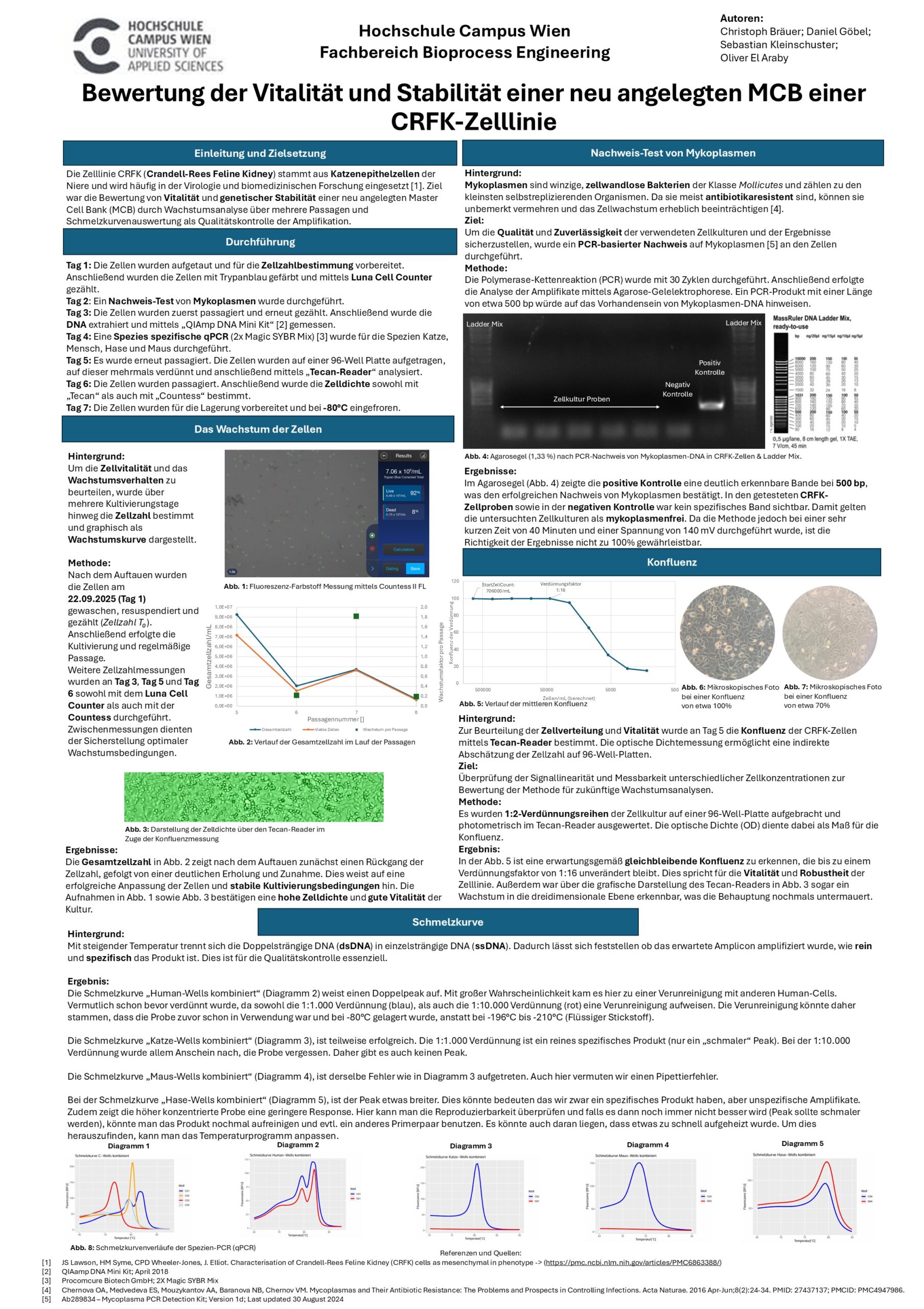
Master Cell Bank Characterization
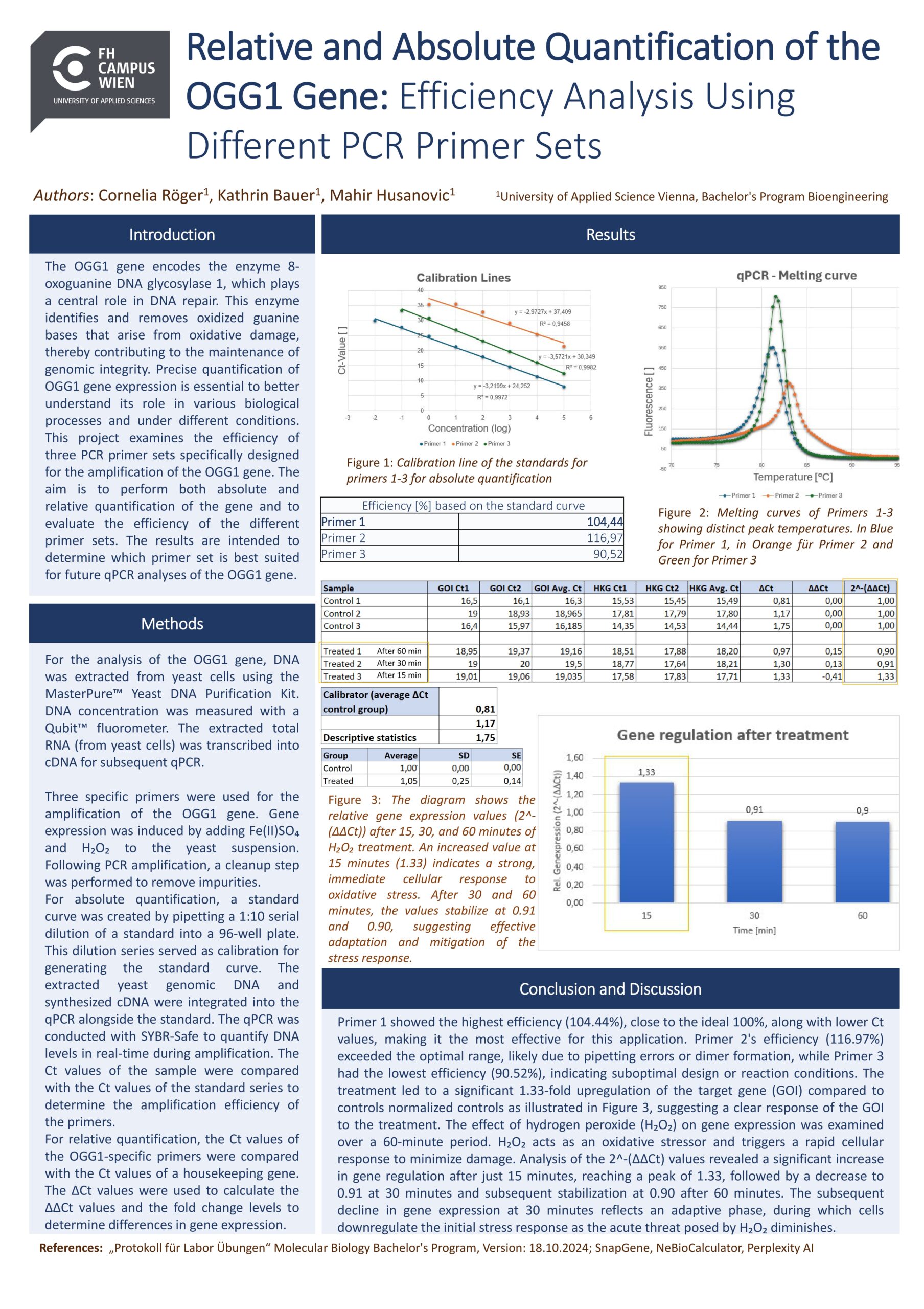
Molekularbiologie
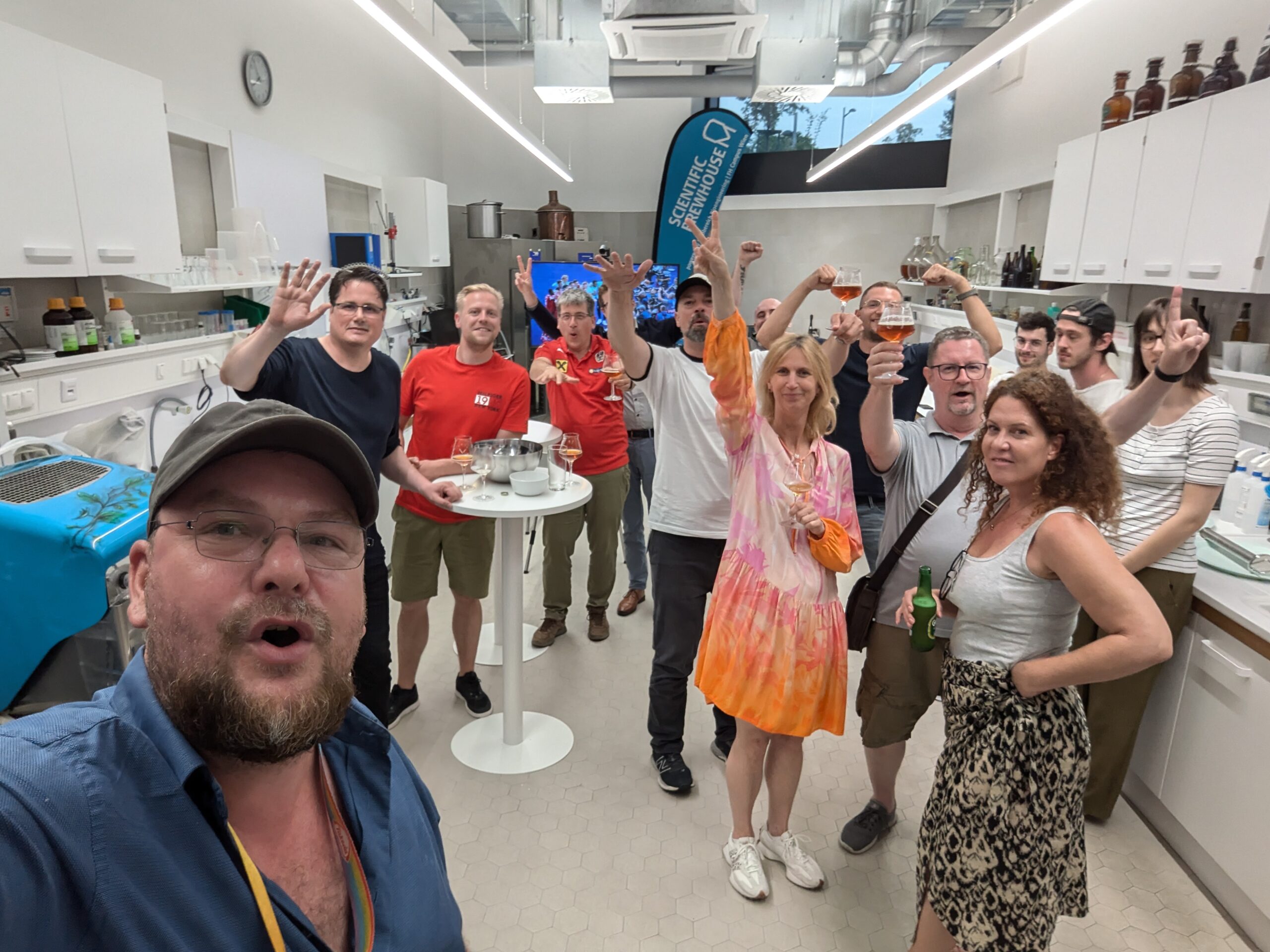
Fussball EM Schauen in der Brauerei
TEAM: